
While the Caribbean, Maldives and Seychelles often dominate destination lists, event planners are increasingly turning to Okinawa. With a pleasant climate, professional event facilities and intriguing local culture, this offshore Japanese island offers all the features planners expect — and one valuable extra: relative anonymity. For groups seeking a fresh, lesser-known location, Okinawa is an excellent MICE choice.
Though popular with travelers from Japan, China and Southeast Asia, many Americans still know little about Okinawa. The island has long hosted U.S. military personnel—thousands of service members across more than 30 facilities have been stationed there since World War II—so its charms are familiar to many veterans. “The weather was always nice, the beaches fun to go to, the local culture interesting,” remembered Capt. Craig Rheaume, a former U.S. Air Force resident. “It was really an eye-opening and exciting experience.”
Okinawa Main Island is the primary destination in an archipelago of about 160 islands within the larger Ryukyu chain, roughly 400 miles southeast of mainland Japan. The main island stretches about 60 miles north to south and is never more than 20 miles wide. Heavily damaged during the fierce fighting of World War II, Okinawa has been rebuilt since the 1940s with a strong focus on tourism. Today it offers a variety of resorts and meeting venues where reliable professional services blend with a relaxed, resort-style atmosphere.
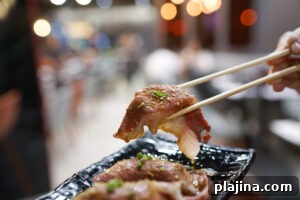
Okinawa beef © Thaweerat | Dreamstime.com
The Okinawa Convention Center meets international standards for large events. Beneath its sweeping green roof are exhibition halls capable of hosting up to 5,000 participants, a theater and a dozen flexible conference rooms suitable for plenary sessions or smaller breakouts. Experienced staff handle on-site catering and technical support, simplifying logistics for major conferences.
Major hotel brands with meeting facilities include Sheraton, Renaissance, The Ritz-Carlton, Hilton and Marriott. Conference space is available at properties such as the DoubleTree by Hilton Okinawa Chatan Resort, located on the harbor five miles from the Convention Center. For team-building and high-profile hospitality, The Busena Terrace Beach Resort — which hosted leaders at the 2000 G8 Kyushu-Okinawa Summit — offers distinctive venues and activities.
Leisure options complement business programming. Nearly 300 miles of coastline feature beaches fringed by lush subtropical forests. Waterfront resorts and spas provide wellness programs in addition to outdoor activities like snorkeling, kayaking and seasonal whale watching. Coral-reef excursions and jungle treks that end in waterfall swims expand options for post-conference recreation.
Naha, the island’s largest city, attracts visitors with dining, shopping and lively nightlife. Local steakhouses spotlight Okinawa beef, and markets offer regional specialties. Ocean Expo Park hosts the Okinawa Churaumi Aquarium, where visitors can view whale sharks, more than 800 types of coral and a variety of rare, deep-sea specimens recovered for study.
Okinawa Convention Center © Kuremo | Dreamstime.com
Historical and cultural sites provide meaningful off-site programming. Nakagusuku Castle, part of the UNESCO World Heritage listing for the Ryukyu Kingdom monuments, features six well-preserved courtyards and is among the best examples of island fortifications. Nakamura House, an 18th-century farmhouse, offers a glimpse into the daily life of wealthy farming families from earlier centuries. The Peace Memorial Park and its museums commemorate the Battle of Okinawa and honor both local and American lives lost, creating a thoughtful place for reflection.
Hands-on cultural activities work well for team-building. Visits to Daiichi Makishi Public Market introduce local ingredients and street food. Sampling island dishes — such as soba served in broth, stir-fried melon, and braised pork belly — provides a memorable culinary experience. Workshops in traditional crafts like dyeing bingata fabric, playing the sanshin (a three-stringed instrument), or glassmaking offer engaging ways to connect participants with Okinawan culture.
Getting to and around Okinawa is straightforward. Naha International Airport, the main gateway, sits conveniently near the city. Frequent flights connect from Tokyo, Osaka and other Japanese cities, as well as select hubs in Asia. The Yui Rail urban monorail runs every six to 10 minutes from the airport through downtown Naha and the bustling Kokusai-dori “Miracle Mile” shopping district. Car rentals and well-maintained roads make island exploration convenient for delegates and organizers alike.
UNIQUE VENUES
The Conference Center at the Okinawa Institute of Science and Technology (OIST) offers a tranquil campus setting suitable for technical and academic events. The center supports symposia, workshops and industry gatherings with facilities that include a 493-seat auditorium, flexible seminar rooms and services for translation and digital presentations, making it well suited to international conferences with an academic orientation.
Now in regular operation, the Okinawa Suntory Arena provides a versatile venue for large-scale conventions, concerts and sporting events. Its adaptable seating, exhibition space and modern audio-visual capabilities also accommodate corporate meetings and trade expos, giving planners additional options for large attendee counts.