
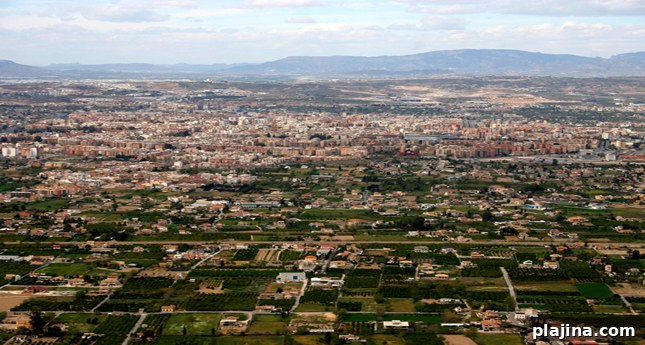
Murcia’s Jumilla region is celebrated for its wines and holds its own Denominación de Origen. Here the coastline transitions into the plains of La Mancha, creating a landscape and climate particularly suited to viticulture. When visiting Jumilla, plan to stop at BSI‑Bodegas San Isidro, a cooperative winery founded in 1934 by local grape growers. Winemaking in the Jumilla area has roots stretching back more than 5,000 years.
BSI‑Bodegas San Isidro is best known for its dedication to Monastrell, a Mediterranean grape variety that finds ideal conditions in Jumilla’s soils and climate. The estate’s vineyards are notable for remaining on original European rootstock rather than being re‑grafted onto American rootstocks, a practice that occurred elsewhere in Europe after past pest outbreaks. Jumilla’s shallow, calcareous soils, frequent drought conditions and sandy textures create an environment that inhibits the Phylloxera aphid, allowing many old Monastrell vines to survive. As a result, BSI manages one of the most significant plantings of old Monastrell vineyards in the world.
Monastrell accounts for roughly 80 percent of BSI’s production. The winery also cultivates and vinifies a selection of other varieties to complement its Monastrell wines, including Syrah, Petit Verdot, Merlot, Tempranillo, Airén, Sauvignon Blanc and Verdejo. These varieties are used to produce a diverse range of styles, from robust reds to fresh whites, reflecting both traditional character and modern winemaking approaches.
Visitors to BSI can expect to encounter a strong sense of place in the wines: high sunlight, low rainfall and the mineral influence of limestone soils lend the wines concentrated fruit, pronounced structure and noteworthy aging potential. The long history of viticulture in Jumilla, combined with the survival of old, ungrafted Monastrell vines, contributes to the distinct profile of the region’s wines and to BSI’s reputation as a leading producer in this appellation.