
MINNEAPOLIS shines across many arenas: a storied music legacy (Prince remained rooted here), a rich collection of galleries and museums, and a strong draw for professional sports and major events.
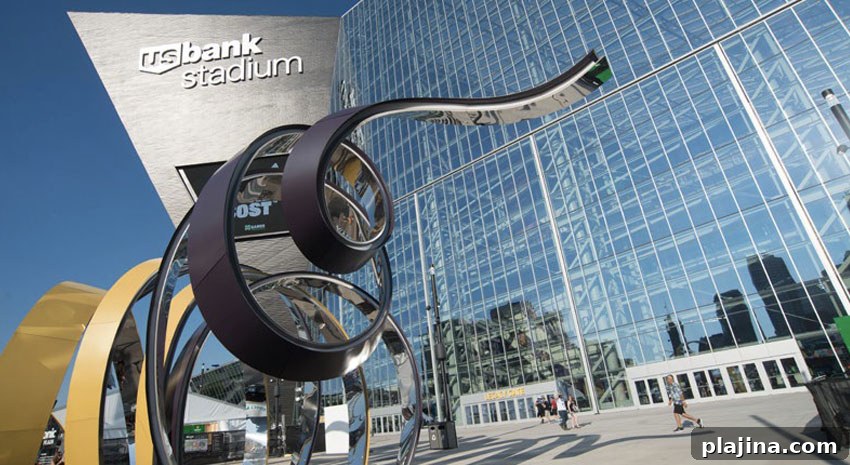
Sharing the “Twin Cities” identity with neighboring St. Paul, Minneapolis gained national attention as the host of Super Bowl LII in 2018, showcasing the new U.S. Bank Stadium. The stadium, home to the Minnesota Vikings, has spurred surrounding development and hosts high-profile events such as the X Games and the NCAA Men’s Final Four.
“We had a lot of big infrastructure changes leading up to the Super Bowl,” said Kristen Montag, senior public relations and communications manager for Meet Minneapolis. “The stadium sparked a lot of development and growth — more stores, a lot more people.”
Since the stadium’s arrival in Downtown East, nearby neighborhoods like the Mill District have seen considerable investment. The Canopy by Hilton Minneapolis Mill District opened in the renovated Thresher Square building with 183 rooms, and Moxy Minneapolis Downtown arrived in the Ironclad building with 153 rooms, both adding hospitality capacity and street-level activity.
Other major venues have also been upgraded. Target Center, home to the NBA’s Minnesota Timberwolves, completed a $150 million renovation. In St. Paul, Allianz Field opened to host Major League Soccer’s Minnesota United FC, revitalizing a 34-acre site with sustainable, energy-efficient features and a 1.5-acre green space.
Downtown’s signature pedestrian corridor, Nicollet (formerly Nicollet Mall), underwent a $50 million renovation that added trees, outdoor art and refreshed public space. It remains home to the iconic Mary Tyler Moore statue and anchors cultural destinations like the Walker Art Center.

Spoonbridge and Cherry at the Minneapolis Sculpture Garden © MARLENE GOLDMAN
The Walker Art Center, a Minneapolis institution since 1940, anchors one end of Nicollet. Opposite it, the Minneapolis Sculpture Garden—redesigned and expanded in 2017—displays more than 40 works, including Claes Oldenburg’s famed Spoonbridge and Cherry.
The Dayton’s Project, a major redevelopment of the historic Dayton’s department store building, is transforming more than 200,000 square feet of retail across three levels and will include a food hall featuring around 40–50 vendors. Local culinary figures, including chef and television host Andrew Zimmern, are among the anticipated tenants, reinforcing Minneapolis’s evolving food scene.
Peavey Plaza on Nicollet, listed on the National Register of Historic Places, is being revitalized with updated water features, improved lighting and ADA-compliant access, preserving its Modernist design while making it a more welcoming public space.
The Minneapolis Convention Center has also emphasized sustainability, earning LEED v4 Certification for Existing Building Operations and Maintenance. The center reports high recycling rates and annual food donations to local nonprofits, and recent upgrades include LED lighting and rooftop solar panels.
Transportation and green initiatives continue to expand: Metro Transit light rail connects downtown to the Mall of America and St. Paul and is planning southwest extensions; Nice Ride Minnesota now offers dockless bikes; and several companies provide electric scooters, increasing options for low-impact urban travel.
Northeast Minneapolis, once dominated by industrial warehouses, has transformed into an arts and creative hub filled with studios, galleries, live performance spaces, breweries and restaurants. “Northeast Minneapolis is like New York’s Brooklyn,” Montag observed, noting the neighborhood’s growing culinary and craft-beer scenes, with popular breweries such as 612Brew and Bauhaus Brew Labs.
The broader restaurant scene in Minneapolis has matured over the past decade, favoring locally owned, chef-led concepts over national chains. Notable additions include Demi by James Beard–winning chef Gavin Kaysen in the North Loop, adjacent to his acclaimed Spoon and Stable, as well as forthcoming hospitality projects like a new Fillmore Theater and an Element by Westin hotel.
Chef Sean Sherman, recognized for his James Beard Award–winning cookbook The Sioux Chef’s Indigenous Kitchen, is developing the Indigenous Food Lab, a nonprofit combining a classroom kitchen and restaurant, and plans a riverfront restaurant at Water Works park on the west bank of the Mississippi. Chef Justin Sutherland, a Top Chef alum, is relocating his Pearl & the Thief from Stillwater to downtown Minneapolis.
Just outside the city, Prince’s Paisley Park estate operates as a museum, offering tours of the recording studio and performance spaces that shaped his career and legacy.
SCENIC DRIVES
Minneapolis serves as a gateway to several scenic day trips. Stillwater, about 30–40 miles from Minneapolis (and closer from St. Paul), sits in the picturesque St. Croix River Valley. Its historic downtown features antique shops, bookstores, record stores and the 1931 Stillwater Lift Bridge linking Minnesota and Wisconsin.
About 55 miles southeast, Red Wing lies along the Mississippi River and offers boutique shopping, art galleries, museums, historic homes and parks with hiking and biking trails. The town is home to Lake Pepin, a 26-mile stretch of the river known for its scenic views and recreational opportunities.