
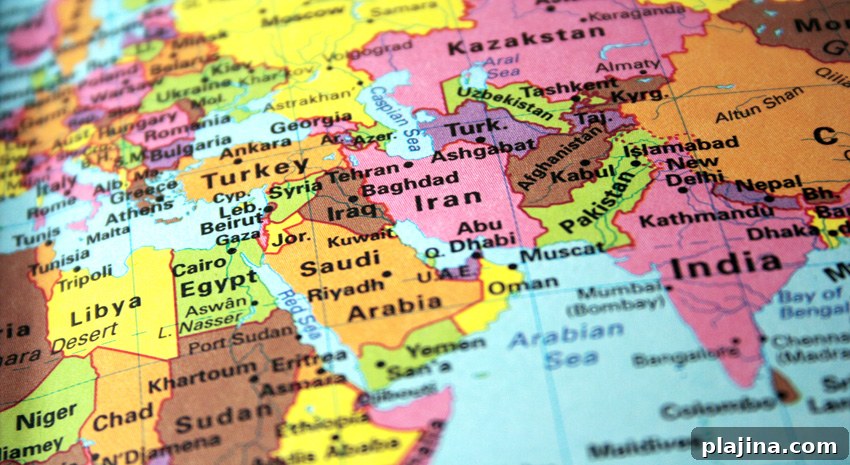
The uncertainty surrounding President Trump’s temporarily suspended travel restrictions has had a measurable impact on travel from the Middle East to the United States.
According to the Airlines Reporting Corporation, planned travel from that region to the U.S. fell by 5.77 percent after the administration announced efforts to restrict entry for citizens of several Muslim‑majority countries in the Middle East and Africa.
“Given the back-and‑forth on the executive orders and the court challenges — and we’re not sure yet where that’s going to shake out — I think that uncertainty for travelers that have discretion is leading them to say, ‘Maybe this year we’ll choose a different destination,’” said Chuck Thackston, managing director of enterprise information at ARC.
ARC data shows customers purchased 383,154 fares from the Middle East to the United States in the first quarter of 2017, down from 406,611 in the same period in 2016. Despite the decline in ticket volumes, average airfares on those itineraries rose significantly. The average fare increased to $1,026.28 in the first quarter of 2017, up from $857.48 in 2016 — nearly a $200 jump.
Overall travel to the United States continued to grow in the first quarter of 2017, but the pace of growth slowed sharply. Growth dropped to 5 percent in that quarter, compared with an 85 percent increase during the same period in 2016.
Separate research by Brand USA, the national tourism marketing organization, suggests the changing political climate is reducing the willingness of travelers in some countries to visit the United States. Brand USA’s polling indicates travelers from 11 countries not targeted by the executive order are nonetheless less likely to plan a U.S. trip than they were the previous year.
A study from Virtuoso, a luxury travel network, found similar concerns among travel advisors outside the United States: 42 percent reported that their clients are avoiding travel to the U.S. for a range of reasons, including opposition to U.S. foreign policy and worries about obtaining visas.
In sum, multiple industry sources point to uncertainty about immigration policy and political tensions as factors that have dampened travel demand from the Middle East and contributed to higher fares for those who still choose to fly to the United States. Airlines, travel advisors and destination marketers are closely watching how policy developments and public sentiment will shape future travel decisions.