
MEUNIER IS CHAMPAGNE’S often overlooked grape, yet it plays a vital role in the region’s celebrated sparkling wines. Champagne can be made from three grapes — Chardonnay, Pinot Noir and Meunier — either entirely from one variety or as a blend of two or all three. While wine lovers know Chardonnay for its light skins and Pinot Noir for its darker ones, fewer realize that Meunier, also a dark-skinned variety, is just as important. In fact, more Meunier is planted in Champagne than Chardonnay.
There are good reasons for Meunier’s prominence. It buds later and ripens earlier than the other Champagne varieties, a valuable trait in this cool, northerly French wine region. Meunier contributes ripe fruit flavors, roundness and suppleness, particularly to younger Champagnes. Although many producers include Meunier in their assemblages—especially in non-vintage cuvées—until recently relatively few made Champagnes predominantly or entirely from Meunier. Some winemakers argue it does not age as gracefully; others claim it is less refined than the other grapes.
Is that criticism justified? After tasting several wines made partly or wholly from Meunier, I can say that while a single tasting cannot predict long-term aging potential, these wines offer immediate pleasure and personality.
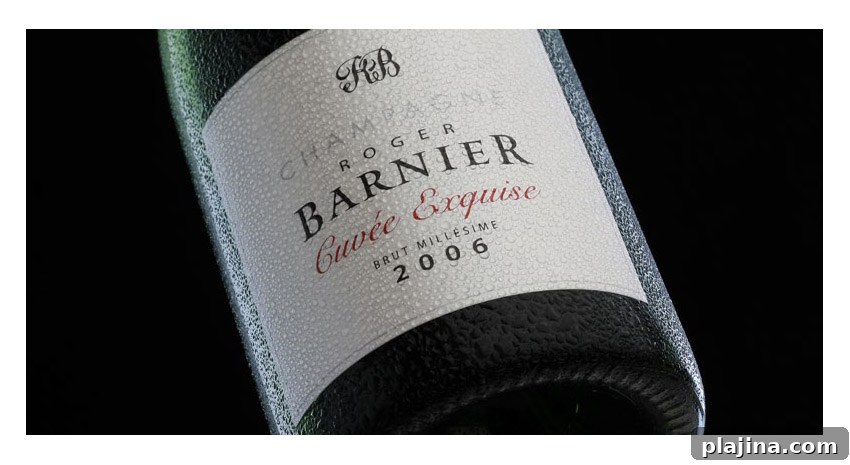
Champagne Roger Barnier’s Cuvée Exquise, a balanced blend of all three varieties, shows a toasty, smoky breadiness on the nose and delivers a full, rounded, lively palate.
By contrast, Champagne Eric Taillet’s Le Bois de Binson is made entirely from Meunier and reveals bright berry notes and playful, flirty bubbles—an inviting, fruit-forward example of the grape.
Champagne R‑C Lemaire Select Réserve, also 100 percent Meunier, is more assertive, with a faint biscuit aroma. It offers refreshing fruit up front and pleasing acidity, with enough structure to work both as an aperitif and alongside food.
Champagne A & J Demiere Inno’Sens combines one third of each grape and presents an enticing, slightly smoky bouquet. On the palate it is lively, confident and finishes long, showcasing Meunier alongside its partners rather than in a supporting role.
These Meunier-centric Champagnes demonstrate the variety’s versatility: from fresh and approachable to structured and food-friendly. Whether used in blends or as single-variety bottlings, Meunier adds charm and balance to Champagne’s repertoire.
Price points for the bottles tasted ranged from about $26 to $75, offering options for different budgets and occasions.