
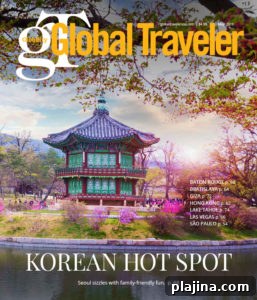
GYEONGBOKGUNG PALACE IN SPRING, SOUTH KOREA © PANYA KHAMTUY – DREAMSTIME.COM
Gyeongbokgung Palace in spring is one of South Korea’s most iconic and photogenic sites. As the largest of Seoul’s Five Grand Palaces, it blends sweeping traditional architecture with landscaped gardens and seasonal blossoms, offering visitors a vivid sense of the country’s history and aesthetic. In spring, when cherry and plum trees bloom, the palace grounds become a popular spot for both locals and travelers seeking the delicate contrast of pale petals against dark wooden pavilions and tiled roofs.
The palace’s main structures—Geunjeongjeon (the main throne hall), Gyeonghoeru (the pavilion over the pond), and the various gates and courtyards—illustrate Joseon Dynasty architecture at its finest. These buildings were designed not only for royal ceremonies and administrative affairs but also to embody Confucian ideals of order, harmony, and respect. Restored after periods of destruction and neglect, many of these halls now stand as carefully preserved examples of Korea’s cultural heritage.
Visitors in spring will notice how the gardens and walkways are arranged to highlight seasonal changes. Paths bordered by blossoming trees guide guests past ponds, stone bridges, and decorative lanterns. The sight of blossoms reflected in still water creates a serene atmosphere ideal for photography and quiet contemplation. Guided tours and informational plaques provide historical context, explaining the palace’s role in royal life and its significance during pivotal moments in Korean history.
Spring at Gyeongbokgung also brings cultural performances and events. From traditional changing-of-the-guard ceremonies to occasional musical performances and demonstrations of court customs, these activities enrich the visitor experience. Many people take the opportunity to rent hanbok, traditional Korean clothing; wearing hanbok on site not only enhances photos but also allows guests to connect more personally with the historical setting. Photographers and history enthusiasts alike find spring an especially rewarding season because of the soft, flattering light and abundant floral color.
Practical considerations for visiting in spring include arriving early to avoid crowds and to enjoy cooler morning temperatures. Weekdays usually offer a more peaceful experience than weekends, and the palace has designated routes that help manage visitor flow while ensuring access to key structures and viewpoints. Comfortable footwear is recommended, as exploring the grounds involves uneven stone paths and gentle inclines. While many areas are accessible, some historic buildings may restrict entry to protect fragile interiors.
Nearby attractions complement a visit to Gyeongbokgung. The National Folk Museum of Korea, located on the palace grounds, offers exhibits that deepen understanding of daily life, crafts, and customs across Korea’s past. The surrounding neighborhood includes charming tea houses, galleries, and traditional markets where visitors can sample local flavors and purchase handcrafted souvenirs. Together, these sites create a well-rounded cultural itinerary that can fill a half-day or a full afternoon.
In summary, Gyeongbokgung Palace in spring delivers a memorable mix of architecture, nature, and cultural activity. The season’s blooms add a poetic layer to the historic setting, inviting visitors to slow down, take photographs, and appreciate Korea’s royal legacy. Whether you come for the scenery, the history, or the cultural programs, a springtime visit to Gyeongbokgung is an enriching experience that highlights the beauty and resilience of Korean heritage.