
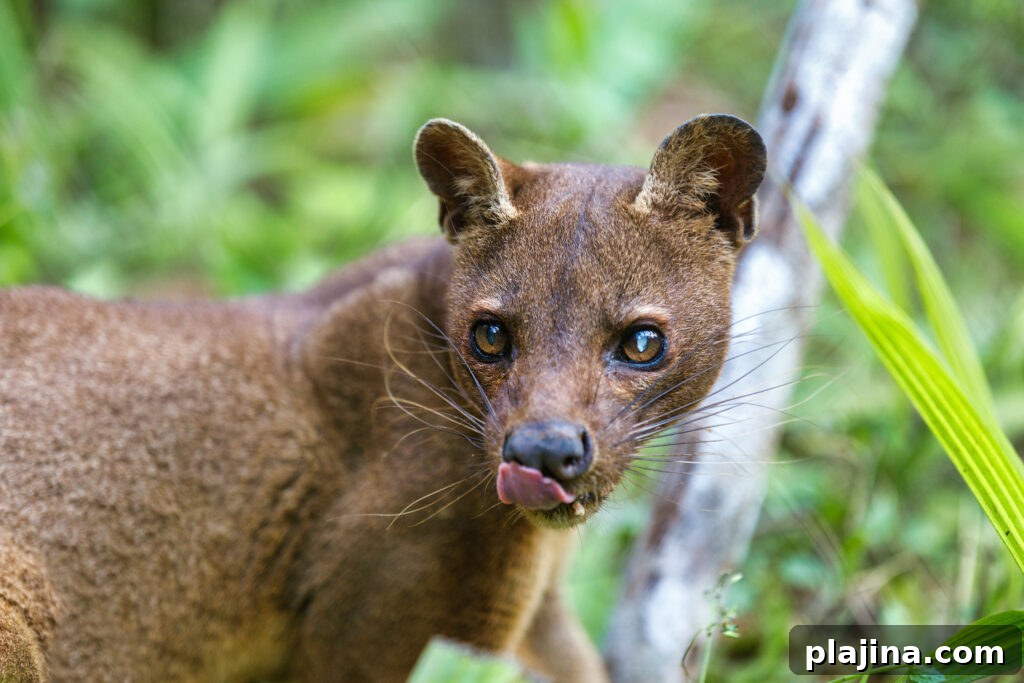
For sightseeing, there really is nowhere else on Earth like Madagascar. Formed more than 150 million years ago when a fragment separated from the supercontinent Gondwana, Madagascar became the world’s fourth-largest island and evolved in long isolation. As a result, up to 90 percent of its plants and animals are found nowhere else. Madagascar is the only place to see wild lemurs, the multifingered aye-aye, the catlike fossa, towering baobab trees and countless other species that inhabit its rainforests, dry deciduous forests, spiny deserts, high plateaus, coastal plains and offshore isles—earning it the nickname “the eighth continent.”
Most commercial and administrative activity centers on the capital, Antananarivo—locally called Tana. Visitors can explore historic neighborhoods, the fortified Merina settlement on the Royal Hill of Ambohimanga, the royal palace complex and nearby Lemurs’ Park, which offers an accessible introduction to Madagascar’s native wildlife.
To experience Madagascar’s singular landscapes and biodiversity, venture beyond the city. A convenient short trip about 30 miles east leads to Mantasoa Lake, a former colonial weekend enclave that remains a pleasant retreat. For ocean-based adventures, Madagascar offers more than 50 nosy (islands) with opportunities for water sports, canoeing, snorkeling, birdwatching, fly-fishing and a range of accommodations from upscale resorts to rustic thatch bungalows. Nosy Be is the largest and most developed of these island destinations. To the east, Île Sainte-Marie is famed for whale watching and for its history as a pirate refuge—several old pirate graves overlook the bay.
© Artushfoto | Dreamstime.com
The country protects its exceptional biodiversity through 46 national parks and reserves, each with distinct ecosystems and species. A classic overland route follows National Road 7 down the central highland spine, passing terraced rice paddies, vineyards, tea gardens, thermal spas and traditional woodcarving villages before reaching the sandstone canyons and natural pools of Isalo National Park, home to brown and ring-tailed lemurs and spiny succulents such as Pachypodium species.
While rental cars are readily available, Madagascar’s road network can be challenging in places, so many travelers combine driving with domestic flights that link major towns. Several international cruise lines include Madagascar on Indian Ocean itineraries, often paired with the Seychelles. To support tourism, the Ministry of Tourism maintains regional offices and more than 60 travel agencies registered with the Association of Professional Tour Operators arrange group tours, eco-adventures, safaris and bespoke itineraries to destinations found nowhere else on the planet.