
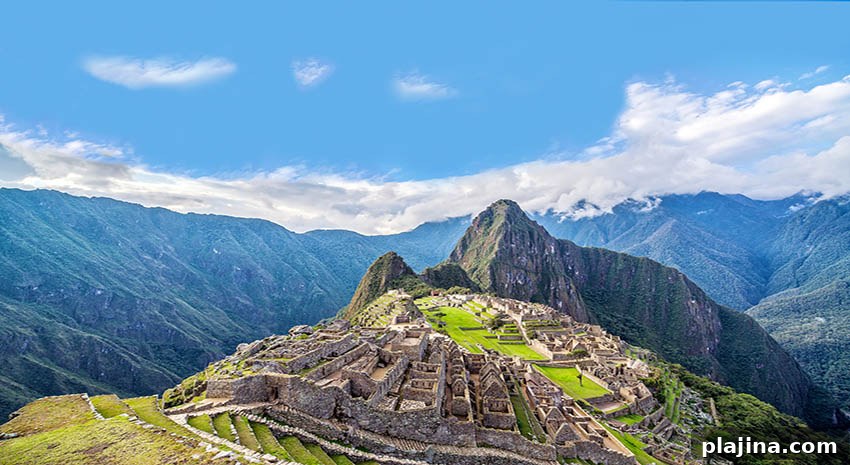
Peru’s Machu Picchu, the iconic archaeological site that attracts visitors from around the globe, has introduced new regulations aimed at preserving its fragile ruins and surrounding environment.
These measures took effect on July 1 following the results of a study by a U.S. archaeologist and recommendations from UNESCO officials, who advised steps to prevent damage caused by increasing numbers of tourists.
Under the new schedule, visitors can no longer spend the entire day inside the site. Access is now limited to two entry periods daily: a morning session from 6 a.m. to 12 p.m., and an afternoon session from 12 p.m. to 5:30 p.m. All visitors are required to enter accompanied by an official Machu Picchu or licensed tourist guide. Each guide may lead no more than 16 people per entry period, helping manage crowds and reduce wear on the trails and structures.
The list of prohibited items and behaviors has also been updated to protect the site and its atmosphere. Prohibited items include bags larger than 16 inches, food and beverages (including alcoholic drinks), cigarettes and illegal substances, umbrellas, photographic tripods, selfie sticks, musical instruments, high heels, and children’s strollers. Visitors are also forbidden from climbing on or leaning against walls, touching or removing artifacts, disrobing, creating loud disturbances, or feeding wildlife within the protected area.
These restrictions are intended to preserve Machu Picchu’s archaeological integrity and natural setting without detracting from a meaningful visitor experience. Tourists who fail to comply with the rules may be asked to leave the site to ensure ongoing protection for future generations.