
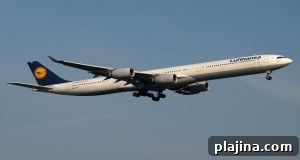
ITB 2014 in Berlin hosted a world premiere on its opening day: Lufthansa unveiled its new premium economy class. The product became available for booking from May and was scheduled to enter service in November 2014, initially on the Boeing 747-8. Over the following 12 months the airline planned to install the new seats across its entire long-haul fleet.
Jens Bischof, the Lufthansa German Airlines board member responsible for sales, product and marketing, described the offering as a fresh travel experience combining affordability with enhanced comfort. The premium economy seats provide up to 50 percent more space than standard economy, positioning the cabin in a distinct premium segment within the international market.
With the launch of its new full-flat business class, Lufthansa widened the gap between economy and business. That separation created an opportunity for a differentiated premium economy product: it delivers substantially more space and comfort plus a range of additional amenities, while typically remaining closer to economy in terms of average fares than to business class.
The new cabin targets travelers who want meaningful upgrades in legroom, seat width and on-board amenities without paying business-class prices. Features highlighted by the carrier include larger, more comfortable seats, increased recline, upgraded in-flight entertainment options and enhanced service elements designed to improve the long-haul travel experience.
Rollout of the premium economy seats followed a staged installation plan to minimize disruption to schedules while ensuring a consistent product across long-haul aircraft. Introducing the new class also gave Lufthansa more flexibility to tailor pricing and inventory, offering a competitive mid-tier option that appeals to leisure passengers and cost-conscious premium travelers alike.
Industry observers noted that adding premium economy aligns with broader airline trends: many carriers have introduced an intermediary cabin to attract passengers who seek better comfort than economy but do not require business-class amenities. For Lufthansa, the addition strengthened product segmentation and offered clearer distinctions between cabin classes, helping to meet diverse customer needs on international routes.
As the seats entered service, feedback from travelers and travel professionals focused on comfort improvements and the perceived value relative to economy fares. Over time, the carrier intended to monitor demand and adjust service elements, pricing and route deployment to optimize the product’s appeal.
By expanding its long-haul offering, Lufthansa aimed to reinforce its competitive position and provide travelers with a wider range of choices when booking international flights. The premium economy cabin was designed to deliver a balanced mix of space, comfort and value for those seeking an upgraded yet affordable travel experience.
You may also like:
Premium Economy: Is ‘Something Extra’ Worth The Price
Lufthansa Grows American Network