In centuries past, large ships carrying prized goods departed from Lisbon’s port for distant destinations. Like other settlements that grew around deep natural harbors, Lisbon developed into a key node in international trade. Today it remains one of Europe’s major commercial and container ports and continues to play an important role in maritime commerce.
Despite the disruptions caused by the pandemic, Lisbon’s economic outlook is encouraging. Private-sector salaries were projected to rise on average in 2022, reflecting recovery momentum. Portugal’s Recovery and Resilience Plan is expected to benefit from nearly €14 billion in European Union grants through 2026, much of which is targeted at accelerating energy and digital transitions and supporting broader economic modernization.
Before the pandemic, Portugal’s services sector—especially tourism—drove much of the nation’s growth. The convention and conference market, important for Lisbon, shrank markedly during the pandemic, but other sectors have expanded. Heavy industry, construction, energy and technology have become increasingly significant contributors to a diversifying economy.
“Foreign companies receive very competitive tax incentives that are in full compliance with EU regulations,” said Nisan Larido, vice president of Brand & Product at Gold Tree Hospitality. “Large corporations are taking advantage of this and relocating offices or even headquarters to Lisbon, which is prompting many employees to move as well.”
Traditional industries such as agriculture, textiles and footwear have adapted to changing global demand and are now important exporters. Portuguese footwear makers, for example, have shifted toward practical, comfortable designs with sustainable materials, reflecting new consumer priorities. Luxury shoemakers who once focused primarily on high heels have diversified into footwear suited for healthcare professionals and remote work environments, contributing to renewed demand for rubber-soled and eco-friendly shoes.
The absence of restrictive rules on foreign investment has made Lisbon especially attractive to multinational firms. Many global companies maintain a major presence in the city, including leading names in technology, telecommunications, manufacturing and hospitality. This international footprint supports job creation, skills transfer and broader economic activity across the region.
Tourism is recovering, although there is still ground to regain. British travelers have long formed a significant portion of Lisbon’s visitors, and resumption of travel corridors has helped. Portugal’s national airline resumed flights from multiple North American gateways and has offered traveler-friendly policies such as flexible booking options to encourage travel. These measures have supported the return of international visitors and helped revive demand for hospitality services.
Lisbon’s appeal continues to attract tech firms and startups. A thriving ecosystem of young companies focuses on data, cybersecurity, entertainment and augmented reality, among other areas. Startups with consumer and entertainment orientations—AI-driven sports platforms, voice-driven game studios and AR content creators—are increasingly establishing roots in the city. Services that make travel easier, such as personalized luggage delivery and tracking, also appear to be gaining traction alongside the rise in tourism.
CHECKING IN WITH NISAN LARIDO
Vice president, Brand & Product, Gold Tree Hospitality, including Stay&Co.
The private luxury apartment as an alternative to a hotel has clear appeal with a focus on distancing and privacy. How would you describe your typical client?
Although serviced apartments and aparthotels have seen strong growth—especially during the pandemic—there has been demand for a hybrid product that enhances both guest experience and functionality.
Typical Stay&Co. guests include young professionals, entrepreneurs who can work remotely with a reliable Wi‑Fi connection, and corporate travelers on assignments. These guests often hold key positions or run their own businesses and require flexibility and comfort while traveling.
We believe guests should not have to accept cramped hotel rooms to be near Lisbon’s city center, nor settle for generic apartments far from vibrant neighborhoods. Stay&Co. provides fully furnished, stylish apartments located within walking distance of local hotspots, cafés, galleries and attractions in neighborhoods such as Cais do Sodré, Príncipe Real and Alfama.
What economic factors influenced the decision to expand into Lisbon?
Our market entry decisions are based on in-depth, participant-driven studies and advice from top hospitality consultants. Lisbon showed strong potential for a serviced apartment brand that fills a gap in the market. The city attracts digital nomads, young professionals, relocating employees and corporate travelers—groups that increase demand for flexible, extended-stay solutions that are consistent and recognizable. The serviced-apartment market in Lisbon remains relatively undeveloped, offering room for growth.
How do you localize the Stay&Co. experience?
We created a design approach called “Urban-Pop.” The “urban” component guides materials and architectural forms appropriate to each city, while “pop” draws on local culture to shape colors, art and accessories. We hire local designers who understand the city, source local materials and crafts, and implement the Urban-Pop concept—bringing local artwork, furniture and design elements into each apartment.
For the Lisbon properties, we collaborated with local artist Delia Hamer and Underdogs Gallery, a cultural platform known for promoting Portuguese artists. Local designers contributed custom furniture, textiles and finishes. This approach supports local creatives and ensures each Stay&Co. location reflects its neighborhood and culture.
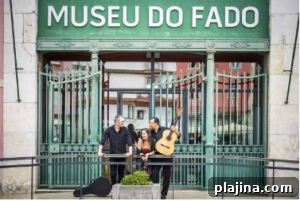
PHOTO: © JACEK SOPOTNICKI | DREAMSTIME.COM
DIVERSIONS
Lisbon’s historic charm and scenic beauty remain major draws. Ride a vintage tram, enjoy panoramic views from Castelo de São Jorge, and explore museums such as the Museum of Decorative Arts at Palácio Azurara, the MUDE design museum, the National Tile Museum and the Fado Museum. Wander winding streets to admire diverse architectural styles and landmark monuments like the Rua Augusta arch and the waterfront Padrão dos Descobrimentos, which commemorates the explorers of Portugal’s Age of Discoveries.
For visitors who want a creative souvenir of their trip, specialized excursions such as a guided film photography workshop provide a memorable way to capture Lisbon. Led by a professional photographer, these short tours supply participants with a 35mm camera and film, offer on-the-spot instruction, and return developed prints shortly after the experience—delivering a tangible, artistic memento of the city.
JUST THE FACTS
Time zone: GMT (GMT+1 Daylight Saving Time)
Phone code: Country code 351, city code 21
Currency: Euro
Key industries: Oil refining, chemical industries, auto manufacturing and assembly, textiles, footwear, electronics and tech, wood pulp and cork production, fish and beverage processing
COMING AND GOING
U.S. citizens should carry a passport valid for the duration of stay, typically with at least three months’ validity beyond the planned departure date and with two blank pages. Travelers not staying in hotel or tourist accommodation must register with the Portuguese Immigration Service (SEF) within three business days of arrival.
OFFICIAL LANGUAGE
Portuguese
LODGING
FOUR SEASONS HOTEL RITZ LISBON
A newly refreshed historic hotel blending classic glamour with modern amenities. Facilities include an outdoor running track, heated lap pool and full-service spa.
Rua Rodrigo da Fonseca 88
$$$$$
HOTEL VALVERDE LISBOA
An elegant downtown property with townhouse charm, light-filled rooms, local art and refined antiques.
Av. da Liberdade 164
$$$$
THE IVENS EXPLORERS HOTEL LISBON
A boutique hotel that channels the city’s adventurous spirit with distinctive design and luxury services.
Rua Capelo 5
$$$$
DINING
CAVALARIÇA LISBOA
A collaboration between chef Bruno Caseiro and pastry chef Filipa Gonçalves offering inventive dishes and refined flavors; reservations recommended.
Rua da Boavista 86
$$$$
DAHLIA
A dining spot that pairs food with music in an intimate “listening bar” atmosphere and creative cocktails.
Travessa do Carvalho 13
$$$
O FRADE
A family-run restaurant serving traditional dishes and a broad selection of Portuguese wines; ideal for sampling petiscos and local specialties.
Calçada da Ajuda 14
$$$$$
INFO TO GO
Humberto Delgado Airport, commonly called Lisbon Airport, is about four miles (roughly 20 minutes) from the city center. Travelers can choose rental car, taxi, metro, bus, shuttle or train. The Aeroporto–Saldanha metro line connects directly to the city center and requires a reloadable travel card valid on the metro and city buses. Buses enforce strict baggage-size limits; travelers with oversized luggage should consider Aerobus, airport shuttles or taxis. The metro also links to Gare do Oriente, Lisbon’s main train station. Licensed taxis wait outside arrivals; avoid unsolicited offers from independent drivers. Major car rental companies operate from the airport.