
Each year the Sustainable Development Solutions Network, a global initiative for the United Nations, publishes the World Happiness Report. Using data from more than 150 countries, the report ranks nations according to residents’ self-reported life satisfaction and well-being.
In 2022 the report marked its 10th anniversary and paid special attention to how well-being research has evolved, especially after the COVID-19 pandemic and with the rise of social media. The findings reinforced a familiar conclusion: feeling at peace with life, maintaining a balanced everyday routine, and focusing on others rather than solely on oneself all support higher life evaluations. These qualities are more prevalent in the highest-ranked countries, particularly in the Nordic nations, as noted by the report’s founding editor, John Helliwell.
For travelers, the question becomes whether a visit to one of the world’s happiest countries can offer even a temporary taste of that peace and balance.
Nordic countries have long occupied top positions in the World Happiness Report, and the 2022 rankings were no exception. The top nations for happiness that year were Finland, Denmark and Iceland, followed by Switzerland and the Netherlands.
Johanna Maasola, tourism coordinator for Visit Jyväskylä Region in Finland’s Lakeland, sees the region’s parks, scenic views and saunas as natural assets for well-being. She attributes Finland’s high happiness levels to public benefits and social equality, but also believes visitors can experience that calm if they embrace local rhythms and “live like a Finn,” even briefly.
“Our happiness is built from simple things,” she said. “Sitting in a sauna and doing nothing. Walking in a forest without purpose, or picking berries and mushrooms that you know are pure. Taking a winter dip through ice and feeling that brief shock of cold. Speaking with a friend—or sharing silence and still feeling understood. Finding beauty in long, dark winters and in the endless days of summer.”
PHOTOS: © CHALET FEEKATZ
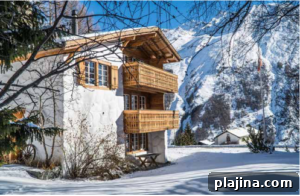
This appreciation for simplicity and nature also helps explain the high rankings of other top countries. Adam Roy, CEO of The Volla, an accommodations provider in Saas-Fee in the Swiss Alps, says Switzerland’s score reflects the country’s encouragement of balance. With nature close at hand, it’s common to close a laptop in the late afternoon and head outdoors for walking, cycling or wild swimming.
Saas-Fee emphasizes sustainable tourism and nature protection: it is recognized as one of the first CO2-neutral municipalities and among the world’s most eco-friendly ski destinations.
“The village runs on clean, local hydroelectric power and has been car-free since 1951,” Roy explained. “Transport options include e-car sharing and emission-free ski buses. The lack of cars improves air quality and creates relaxed, walkable streets. That relaxed atmosphere is part of what draws visitors back.”
© HOTEL RANGA
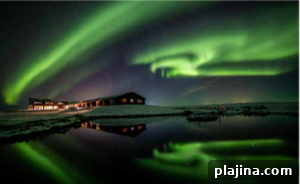
In Iceland, natural landscapes combine with a close-knit social culture to boost well-being, according to Ingibjörg Friðriksdóttir of Hotel Rangá. “We are a family-oriented nation,” she said. “Taking care of one another and strong community ties grew from historical hardships and a demanding climate—relying on each other was necessary to survive, and that care became part of our identity.”
Friðriksdóttir noted that exploring Iceland’s dramatic scenery can lift spirits: the physical challenge of wind and rain leaves little room for rumination. With proper layering and preparation, travelers can embrace the conditions and see how weather and landscape shape the Icelandic way of life—there is no bad weather, only bad clothing.
Denmark offers a different approach to happiness that visitors can experience directly. Copenhagen’s Happiness Museum, created by the Happiness Research Institute, explores happiness from many angles—politics, urban design, memory, relationships and daily rituals.
“The museum shows how happiness connects to everyday life,” said Onor Hanreck Wilkinson, an analyst at the institute. “If hygge is the pursuit of everyday happiness, then people visiting Denmark can tap into it. Hygge is about savoring simple moments—warm atmospheres, presence, comfort, togetherness, gratitude and equality.”
If you crave a warmer destination while still visiting one of the world’s happiest countries, there are options outside northern Europe. Israel, ranked ninth in 2022, is the highest non-European country on the list. Eyal Goldberger, manager of the David Citadel in Jerusalem, attributes the nation’s ranking to strong family ties and community bonds.
“There’s a strong sense of belonging,” he said. “Neighbors rely on one another and social life happens outdoors—short trips with friends and family are common. People share responsibilities and support each other, which helps balance daily stresses.”
New Zealand ranked 10th in 2022 and contains pockets of notable local satisfaction. Dunedin, for example, reports that the majority of residents consider it a great place to live, citing natural beauty, wildlife and preserved heritage as reasons for high quality-of-life ratings.
“Dunedin blends architecture with coastal landscapes and rare wildlife, creating a mix of quirky urban charm and dramatic surroundings,” said John Christie of Enterprise Dunedin.

PHOTO: © TABACÓN THERMAL RESORT & SPA
Costa Rica led Latin America in the 2022 rankings. Mario Mikowski of Tabacón Thermal Resort & Spa and Hotel Nantipa highlights the national “pura vida” mindset—literally “pure life”—as central to the country’s appeal.
“Pura vida is part of our identity, and it’s something visitors can share,” he said. “Travelers often leave inspired to spend more time outdoors, adopt sustainable habits, enjoy healthier food choices, prioritize rest and connect more with community.”
Reviewing the full 2022 report, Helliwell noted positive trends, including an increase in acts of kindness worldwide, especially toward strangers. His main takeaway was the enduring importance of strong social connections and communities where people look out for one another.
For travelers, that insight suggests a simple truth: exploring new places can create fresh social bonds and meaningful experiences that contribute to personal well-being. Visiting some of the world’s happiest countries offers not only beautiful landscapes and thoughtful design, but also opportunities to observe and borrow practices that support a more balanced, connected life.