
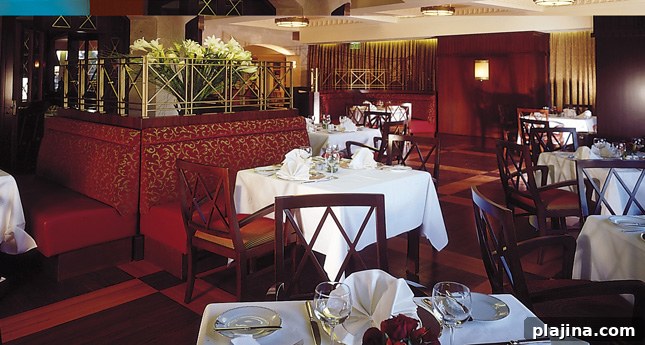
With a distinguished history spanning 85 years, La Regence at the King David Hotel in Jerusalem remains one of Israel’s most celebrated fine-dining destinations. As the city’s oldest restaurant, it continues to attract food lovers and visitors seeking a memorable culinary experience. Under the direction of Chef David Biton, who has led the kitchen for the past eight years, La Regence emphasizes local, seasonal ingredients and a kosher farm-to-table approach that highlights regional flavors.
The menu features inventive, carefully composed dishes such as lamb tongue paired with smoked king oyster mushrooms, tomato leather filled with wild-caught fish salad, roasted duck confit with black garlic, and a filet of beef financier. These preparations showcase refined techniques and thoughtful ingredient pairings. The restaurant also boasts an extensive wine cellar offering a broad selection of Israeli sparkling wines, whites, reds, and dessert wines to complement the menu and enhance the dining experience.
Beyond the dining scene, Jerusalem and its surroundings offer remarkable archaeological discoveries that are worth exploring. Recent excavations in the Arnona neighborhood uncovered the remains of an ancient mikvah (traditional Jewish ritual bath) and a winepress. These finds include well-preserved inscriptions and wall paintings that provide insight into daily and ritual life in the region’s past.
Further afield, the ancient village of Huqoq revealed extraordinary mosaic floors beneath the ruins of a synagogue. Among the standout images are intricately rendered elephants outfitted for war, as well as scenes featuring cupids and dancing male figures that scholars connect with Dionysian imagery—themes associated with Dionysus, the god of wine. These mosaics offer a rare glimpse into the artistic and cultural exchanges in the area during antiquity.
Visitors to Jerusalem can combine a visit to La Regence with tours of nearby archaeological sites to experience both the city’s contemporary culinary achievements and its deep historical roots.