
Long overshadowed by Denver as the Mountain West’s primary hub, Salt Lake City is emerging as a major contender in its own right, anchored by the natural wonder of the Great Salt Lake and the dramatic Wasatch Range. Known for world-class dry powder skiing and a gateway to Utah’s spectacular national parks, Salt Lake City’s appeal now extends far beyond outdoor recreation.
Growth has accelerated for reasons beyond the high-profile renovation of Temple Square, the 35-acre complex in the city center owned by the Church of Jesus Christ of Latter-day Saints. As many West Coast tech companies seek lower overhead and better quality of life, Salt Lake City has competed successfully with locations in Colorado, Texas, Florida and the Carolinas. The city’s relatively light congestion, more affordable housing, relaxed mountain lifestyle and proximity to outdoor sports have helped attract a steady flow of tech talent and investment.
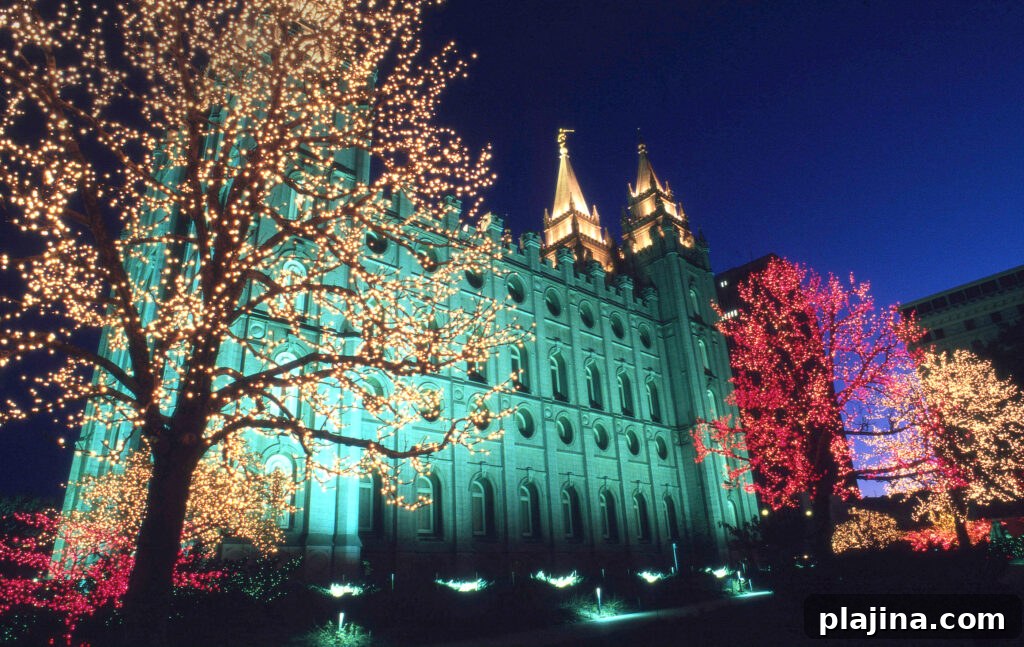
Temple Square © Garry Bryant
Considered a growing technology hub, Salt Lake City has room for new developments and recent projects reflect that momentum. The Post District is a mixed-use development that blends apartments, commercial space and public green areas, while the Astra Tower — the city’s newest and tallest residential high-rise at 41 stories — reshapes the skyline.
Temple Square remains a central attraction and cultural touchstone at downtown’s core. The complex, which marks the end of the historic 1,300-mile Mormon Trail and narrates both Mormon and native Utah history, is nearing the close of a major redevelopment with reopening planned for spring 2027. The site continues to offer free guided tours in dozens of languages and highlights genealogy research and performances by the famed Tabernacle Choir.
Major redevelopment is underway around the city in virtually every direction from the downtown core. In the Granary District, Pickle and Hide repurposes two historic Utah Pickle buildings to add 20,000 square feet of commercial and retail space alongside 141 residential units. The district also includes an 8-acre, city-owned parcel open for proposals to create mixed-use development, affordable housing and new midblock streets.
On the west side of the city center, Spark is a transit-oriented project along North Temple Boulevard featuring 200 residential units, retail space, a childcare center and shared courtyards. The Silos, another west-side development, will include restaurants, shops, a hotel and 740 housing units centered around a half-acre public park.
Many developments include incentives for adaptive reuse of historic buildings and encourage inclusion of affordable housing, parking strategies and transit access. The overall planning emphasizes a “live, work and play” model designed to reduce traffic by concentrating daily life near transit and amenities. A key component is the Orange Line light-rail service, intended to connect the city center with new retail, sports and residential areas and help make Salt Lake City more walkable and less car-dependent.
Infrastructure improvements south of downtown in the Sugar House neighborhood have recently been completed as part of a broader master plan preparing the city for the influx of visitors expected when Salt Lake City hosts the 2034 Winter Olympics. The airport — an important Delta Air Lines hub — is undergoing a major expansion, including a recently finished river tunnel. Phase 3 added 10 new gates, with additional gates planned for 2026. This airport expansion is integral to the downtown redevelopment strategy and the city’s long-term growth.
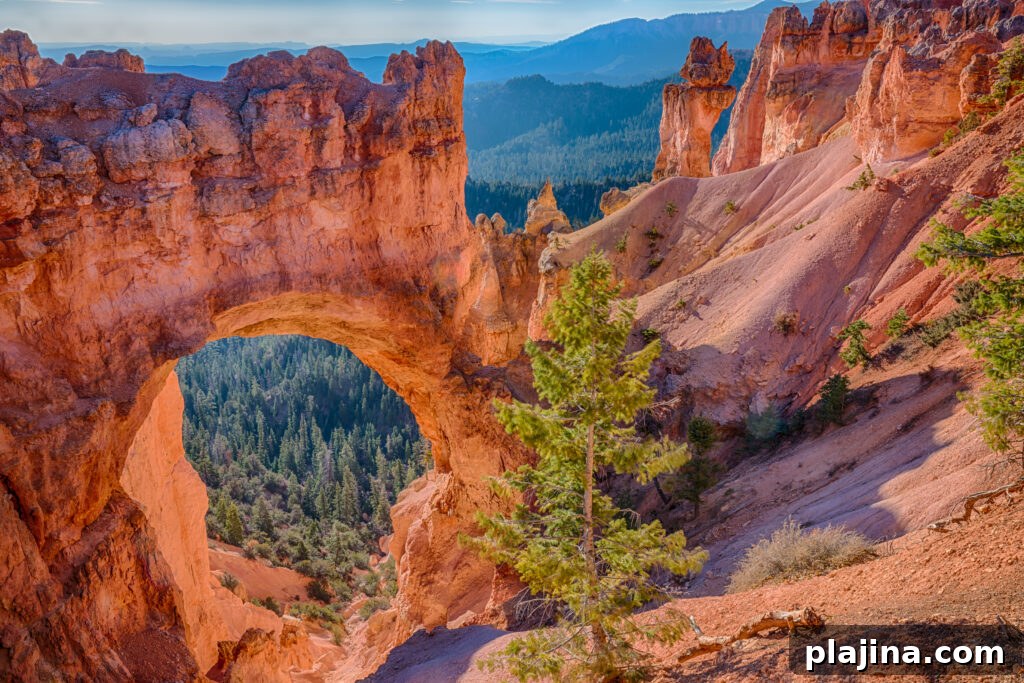
Bryce Canyon © Paul Brady
The Downtown Alliance, representing more than 2,500 businesses and property owners, is actively promoting downtown revitalization. An expanded convention district will bring entertainment venues, more dining options from upscale restaurants to casual bars and outdoor food stalls, and a lively nightlife scene. Salt Lake City’s culinary landscape has diversified dramatically, now offering ethnic restaurants, craft breweries and live music venues alongside established favorites. Hotels and meeting spaces are positioned to be walkable or accessible via the Orange Line, giving visitors convenient access to downtown amenities and sweeping views of the Wasatch Mountains, which remain snow-capped much of the year.
SCENIC DRIVES
For those who love mountain scenery, Park City is a short 31-mile drive from central Salt Lake City along I-80. The route leads to one of the country’s most popular ski towns, renowned for its super-dry powder and year-round recreational options including biking, hiking, horseback riding, rafting and fishing. Park City’s dining scene covers everything from fine restaurants to street food, but be sure to check the weather before you go — summer thunderstorms can bring sudden cooling. During ski season, daily snow reports are essential for planning time on the 5,000-acre resort.
For a more leisurely mountain experience, consider a dinner aboard a historic steam train while taking in the scenery. Outside the city, Utah’s “Mighty Five” national parks offer unforgettable landscapes: Zion’s steep canyons and Angels Landing trail; Bryce Canyon’s red spires and amphitheaters; Capitol Reef’s expansive vistas in Torrey; Arches’ famous natural stone arches near Moab; and the remote, dramatic canyons of Canyonlands. Each park provides distinct opportunities for hiking, photography and solitude in the heart of the Mountain West.