Several years ago, while visiting Sweden, I had lunch one summer day in Göteborg (commonly known in English as Gothenburg) at a celebrated fish hall called Feskekôrka. Situated along a canal, its name literally means “Fish Church” — an apt description for a place renowned for its abundant, high-quality fresh fish and seafood.
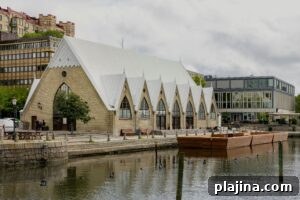
© Kalle Sanner
Not long after my visit, Feskekôrka closed for an extensive four-year restoration and modernization. The restoration was led by Higab and Skeppsviken together with Göteborg-based White Arkitekter. Their work focused on conserving the building’s architectural character while updating its technical and service infrastructure to secure the fish hall’s future as the city’s leading marketplace for seafood.
Designed by Victor von Gegerfelt, Feskekôrka reflects inspiration from Norse stave churches and neo-Gothic architecture. These influences produced the building’s distinctive profile — dramatic arches and a spired silhouette — which led locals to affectionately call it the “Fish Church” when it opened in 1874.
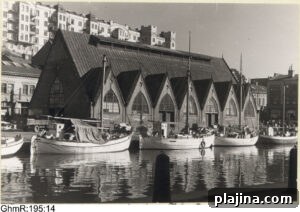
Fish Church, 1939 © Otto Thulin, Museum of Gothenburg
Decades of incremental changes had obscured many original qualities. Timber framing had been covered with concrete, natural daylight was blocked by counters and large refrigeration units, and the direct connection to the canal — once essential for unloading fish — had been all but lost.
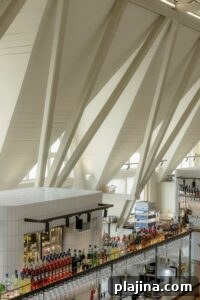
© Kalle Sanner
The restoration team prioritized removing later interventions that hid original craftsmanship. Skilled carpenters replaced deteriorated rafters and beams with Swedish pine, using traditional joinery, wooden pegs and cast-iron bolts to respect the building’s historic construction techniques. Where concrete had masked timber, the restoration revealed and repaired original structural details.
“By restoring the physical connection and re-establishing a visual link to the water, we wanted to rekindle Göteborg’s awareness of Feskekôrka’s original bond with the waterways that flow through the city,” said Viktor Göthe of White Arkitekter.
To return the hall’s generous sense of space, a technical basement was excavated beneath the building, allowing bulky equipment and services to be relocated out of sight. This move opened up the interior, restored natural light, and preserved one of the hall’s most culturally significant qualities: its spaciousness.
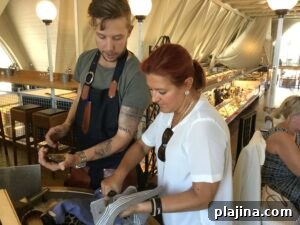
Learning how to shuck oysters © Ron Bernthal
Design details pay tribute to Feskekôrka’s past, recalling the tiled stalls with rounded edges that once defined the hall. The new tilework, with broader grout lines and careful material choices, echoes the building’s masonry façades and historic market character while providing durable, hygienic surfaces for modern food trade.
Feskekôrka reopened to the public in 2024, coinciding with the building’s 150th anniversary. The revitalized fish hall now hosts several fish purveyors and offers a renewed public connection to the canal, which was also restored and reopened in late 2024. The project successfully balances heritage conservation with contemporary use, ensuring that Göteborg’s iconic Fish Church remains a vibrant center for seafood and civic life.