
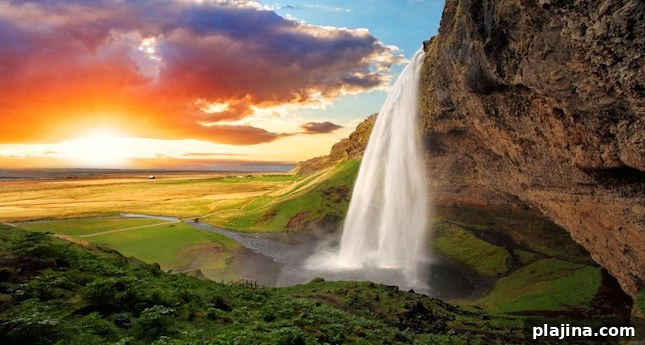
Iceland has grown increasingly popular with travelers, and that surge in visitors is creating a tight squeeze for hotel rooms in the country’s most frequented areas. While accommodations in well-known hotspots are often fully booked, lodgings in less-visited regions frequently have availability. As a result, tour operators are expanding their searches beyond the usual tourist corridors to secure places to stay.
Tour operators report that Iceland’s peak season is beginning earlier each year and stretching later than it once did, extending beyond the traditional late-August endpoint. Areas along the south coast—from the greater Reykjavík region to Höfn í Hornafirði—are regularly fully booked, creating overcrowded conditions for popular sites. Meanwhile, many remote and off-the-beaten-path parts of Iceland remain quiet and have ample rooms and cabins available.
This imbalance between demand and supply is prompting travelers to alter their plans: some shift their travel dates to avoid the busiest periods, while others choose different regions of the island to explore. The growth in visitor numbers has outpaced expansion in accommodation capacity in the busiest zones, making flexibility important for those planning a trip.
For visitors willing to venture beyond the usual routes, the reward is often a quieter, more spacious experience and easier access to lodging. Choosing less-trafficked areas can also provide a more authentic sense of Iceland’s landscapes and communities. Travelers should book early for the most popular stretches of coastline if they want to stay close to major attractions, or consider alternative itineraries that highlight the country’s lesser-known corners.
Ultimately, careful planning—whether that means traveling earlier or later in the season, booking farther in advance, or selecting remote destinations—can help travelers secure accommodations and enjoy Iceland without the crowds.