
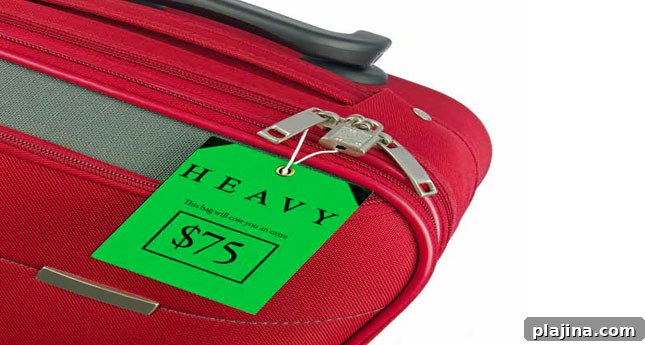
With a barrage of fees chipping away at your travel budget, where do you draw the line? At the airport, you’re told one of your bags is five pounds over the limit and that $25 checked-bag fee just tripled. Maybe it’s an outrageous hotel WiFi charge that frustrates you. Or a rental car counter salesperson pushing collision-damage coverage you don’t think you need. Not long ago many of these extras were included—today they’re business as usual.
Traveler sticker shock stings because airlines, hotels and car-rental companies have turned ancillary fees into major revenue streams. These surcharges have helped airlines return to profitability: in 2012 U.S. carriers collected more in baggage and change/cancellation fees than they did the year before. Ancillary fees now contribute millions of dollars each month for major airlines—and they aren’t going away.
Below is a practical look at the most aggravating travel fees and ways to reduce or avoid them when possible.
Airline fees
From checked baggage to priority boarding, airlines constantly adjust their fee structures. Open Allies for Airfare Transparency, a coalition of travel retailers, corporate travel departments and consumer groups, advocates for clear disclosure of boarding, baggage and seat-assignment charges so travelers can make informed choices. Recent U.S. Department of Transportation rules have pushed the industry toward greater transparency, requiring refunded baggage fees for lost bags, higher compensation for bumped passengers and protections for long tarmac delays. The DOT also required advertised fares to include mandatory taxes and fees, making side-by-side comparisons easier.
Still, travelers should be aware of common airline surcharges and how to minimize them. Booking by phone or in person often carries a “convenience” fee ranging from about $5 to $45 per ticket; booking online is the easiest way to avoid it. Note exceptions: some ultra-low-cost carriers add online booking fees to keep base fares low.
Baggage fees are among the most unavoidable. Most domestic carriers now charge for checked bags—first-bag fees can start around $15 per segment with low-cost carriers, and go much higher on others. Second-bag and overweight/oversize fees escalate quickly. Ways to avoid baggage charges include choosing airlines that include bags (JetBlue allows a free first bag; Southwest includes two free checked bags), traveling with a well-packed carry-on when allowed, or—in some cases—shipping luggage ahead via ground carrier, which can be economical for heavy or multiple bags.
Seat selection, extra legroom and priority boarding can also carry extra costs, from a few dollars up to significant amounts for premium seats. If you don’t require a specific seat, let the airline assign one or check in early online to improve your chances of a better seat without paying extra. At the airport, a polite early check-in agent might be able to help as well.
Award-ticket “taxes and surcharges” on redeemed miles are another common source of frustration. Fuel surcharges, government taxes and security fees can make an otherwise “free” ticket costly. Do your homework: know which carriers add large fuel surcharges and look for partner routes or alternate programs that minimize those charges. Many award-booking services and online tools provide fare and surcharge breakdowns so you can compare options before committing miles.
Ticket-change fees typically range from $50 to $150 plus any fare difference. Avoid these by booking only once plans are firm, purchasing travel insurance that covers changes, or flying carriers that waive change fees, such as Southwest. Frequent-flyer elite status and co-branded credit cards can also reduce or eliminate many of these fees, though credit cards often carry annual fees that offset some savings.
Hotel fees
Hotel guests report declining satisfaction in part because properties charge more while offering fewer complimentary services. Resort or amenity fees often include access to the gym, pool, WiFi and other services and can add up to $50 or more per night. When checking in, ask for a breakdown of any additional charges and explain if you won’t use particular services; some properties will remove or reduce fees on request—especially for loyalty members.
WiFi is frequently billed separately and is a top source of guest complaints. In-room Internet fees can average more than $20 per day at mid- to high-tier properties. To avoid them, use free lobby WiFi, find nearby public hotspots, or enroll in a hotel loyalty program that offers complimentary Internet access. For frequent travelers, mobile tethering or a global data plan may be a cost-effective alternative.
Parking fees, especially valet, can quickly add significant daily costs at drive-to hotels. Self-parking, negotiating for reduced rates, or parking at nearby lots are practical ways to lower parking expenses.
Rental car fees
At the rental counter you’ll often be offered a collision-damage waiver (CDW) for roughly $10–$20 per day. That adds up fast for longer rentals. Before traveling, check whether your personal auto insurance covers rentals domestically and whether your credit card provides coverage abroad; confirming coverage in advance lets you decline redundant protection confidently. Also confirm the agency’s fuel and early-return policies to avoid unexpected penalties.
Foreign transaction fees on credit-card purchases can be another hidden expense, typically 3–7 percent. Avoid unfavorable airport currency exchanges and high-fee kiosks. Withdrawing local currency from reputable ATMs or prepaying travel essentials before departure often reduces fees. Consider cards that waive foreign transaction fees if you travel internationally frequently.
Bottom line: while ancillary fees are now an entrenched part of travel, awareness and a few practical strategies can substantially reduce the total cost. Book online when possible, consider airlines and hotels that include amenities, use loyalty programs and the right credit cards, and confirm insurance and coverage before you travel. Being informed and proactive is the easiest way to avoid paying the bulk of these aggravating travel fees.