
PHOTO: © CHICAGO DEPARTMENT OF AVIATION
Human trafficking—where people are forcibly moved, coerced, or deceived into exploitation—remains a global crisis. Traffickers often move victims away from familiar surroundings to increase dependence and control, creating modern forms of slavery that devastate individuals and communities.
A 2021 White House report estimated that more than 25 million people are affected by human trafficking worldwide, producing roughly $150 billion in illicit profits each year. Victims come from every age group, background and region, making detection and prevention a complex, urgent task.
Airports play a vital role in identifying and stopping trafficking. Major airport authorities provide strong examples of industry efforts to detect and support victims. Los Angeles World Airports (LAWA), which oversees Los Angeles International and Van Nuys airports, and the Chicago Department of Aviation (CDA), which operates O’Hare and Midway, have implemented comprehensive measures to address this crime.
LAWA requires extensive training for all staff to recognize signs of trafficking and to respond in ways that protect victims’ safety and dignity. Waiting areas display informational videos, and multilingual signage throughout terminals includes a QR code that sends a discreet distress text to the LAX Police when scanned. When potential victims are identified, staff can arrange immediate assistance such as safe transportation or temporary shelter while long-term solutions are pursued.
“Los Angeles World Airports is committed to reducing the incidences of human trafficking in our airports and has implemented robust measures to do so,” said Cecil W. Rhambo, Jr., Los Angeles Airport Police Chief. “We are actively collaborating with partners on mandatory training, employee education programs and in-terminal messaging to raise awareness of this deplorable crime so that employees and the public know to look out for the signs and possible victims of human trafficking and to feel empowered to report any suspicious activity.”
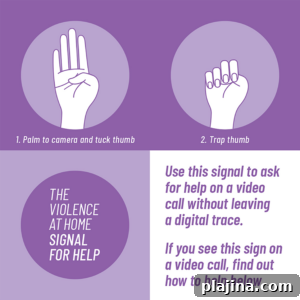
CDA has spent nearly a decade training Aviation Security Officers to spot potential victims and to intervene safely and effectively. International terminals, where many trafficking victims travel through, use blue lighting to signal the city’s commitment to combating the issue. Signage throughout terminals also explains a simple hand signal victims can use to request emergency help from airport staff.
“We stand firm against human trafficking in our city. Human trafficking is a despicable crime that preys upon the vulnerable and exploits their rights and dignity. Together we will continue to raise awareness, provide support to survivors, and hold perpetrators accountable to ensure that Chicago remains a city where everyone can thrive free from exploitation and coercion,” said Umi Grigsby, Chief of Policy, Office of the Mayor of Chicago.
Private travel operators also contribute to prevention and victim support. Inside Travel Group Limited, which runs InsideJapan Tours and InsideAsia Tours, follows a zero-tolerance policy toward human trafficking across its operations and supply chain. The company provides employee awareness training, works only with suppliers that adhere to the Modern Slavery Act 2015, and maintains a confidential whistleblowing policy so staff can report concerns without fear of retaliation. These measures help protect both travelers and local communities.
Combating human trafficking requires coordinated action across airports, airlines, law enforcement, tour operators and civil society. Training frontline staff to recognize indicators, offering discreet reporting channels, and ensuring immediate and humane support for victims are essential steps. Together, these efforts can reduce exploitation, support survivors, and help dismantle the criminal networks that profit from this abuse.