Social media has transformed travel by giving travelers real-time support, chances to win trips, restaurant discounts, insider tips and lively conversations that help them plan and share experiences. Today, most travel companies are actively engaged on social platforms to connect with customers, build awareness and improve service.
“Social media in the travel industry gives travel sites instant brand recognition,” says Jonathan Alonso, SEO analyst at GoPortCanaveral.com. “For example, our customer loyalty and retention grew about 30 percent at the end of 2014 when we used Facebook remarketing tools while planning for 2015 trips. Social media supports affinity marketing—targeting by gender, location, age or income—so brands can reach their audience and re-engage them repeatedly with relevant content.”
Hotels, attractions, restaurants and rental car services use social media to manage customer relations, prevent or resolve crises and maintain visibility. Above all, these channels help make guests’ experiences smoother and more enjoyable. Mall of America in Bloomington, Minnesota, for example, uses its social media team to answer shopper questions, announce celebrity appearances and post live updates about parking and traffic conditions to help guests enter and exit the mall more quickly.
Social channels are also invaluable during unexpected events. In February 2014, when a sinkhole at the National Corvette Museum in Bowling Green, Kentucky, swallowed eight cars, the museum’s marketing and communications team kept its 183,000-plus followers informed about recovery efforts, vehicle salvage and reconstruction progress.
THE TERM “HASHTAG” officially entered the Oxford English Dictionary in 2014. A hashtag is a word or phrase preceded by a hash symbol used to group messages on a specific topic. Travelers use hashtags like #travel to classify, search and share experiences, while businesses use them to promote services, engage customers and monitor trends.
© Neirfy | Dreamstime.com
Montage Beverly Hills encourages guests to tag Twitpic or Instagram photos with #MontageMemory; tagged images are reviewed for inclusion in the hotel’s gallery.
Explore Minnesota’s “Only in Minnesota” campaign is another strong example. Launched as the state’s largest travel marketing effort, it used the hashtag #OnlyinMN to invite locals and visitors to share unique Minnesota moments. By early 2015, the hashtag had been used more than 65,000 times across social platforms and helped fuel broader campaign results.
Hong Kong Adventure Tours Limited monitors hashtags like #sports, #activities, #travel, #whattodo, #HK and #HongKong to find potential customers abroad. “This is a great way to reach people who are interested in what we offer,” says managing director Paddy Williams. The company also runs social competitions, offers free trips for shares, maintains a blog and posts guest articles to generate leads in Western markets.
Visit Bucks County, the official tourism agency for Bucks County, Pennsylvania, uses social media to connect with target audiences and increase overnight stays. Jessica Lawlor explains they monitor multiple hashtags and keywords around the clock. Their Facebook posts are concise and engaging—short copy, a link to drive site traffic and a question to prompt interaction.
Lorna Davidson, social media manager for The Roman Guy tour operator in Rome, notes that each platform draws a different audience. The Roman Guy’s Twitter primarily connects with media, businesses and bloggers, generating industry relationships and publicity. Their Facebook page targets previous and prospective customers through organic and paid posts, while Instagram combines staff photos, Instameets and short videos to build followers and drive referral traffic to the website.
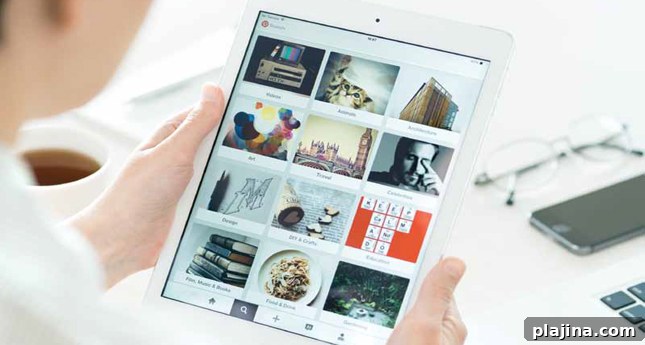
Visual content dominates social media: Instagram surpassed Twitter in users in late 2014, and images have a strong impact on engagement and spending. The #OnlyinMN campaign, for example, helped generate millions of trips and significant visitor spending and tax revenue.
Visit Bucks County reports that tweets with inline images and links get more retweets than text-only posts. Pinterest also performs well for tourism; the agency curates fan photography on a “#BucksCounty Through YOUR Eyes” board to highlight local scenes and attract interest.
Destination D.C. uses social events like Instawalks to map neighborhood itineraries and produce large volumes of high-quality images. One collaboration with Lonely Planet generated more than 1,200 new photos showcasing Capitol Hill, the public market, bakeries, bistros and other local sights, improving the destination’s visual inventory and promotional reach.
Foursquare and similar discovery apps let travelers check in, review locations and upload photos while earning virtual badges or vendor offers. Visit Bucks County engages with more than 20,000 followers on Foursquare and was among the first destinations to offer a check-in special that offered a discount at the visitor center.
© Prykhodov | Dreamstime.com
North Little Rock Visitors Bureau’s Stephanie Slagle says Instagram is the bureau’s strongest platform. She alternates between her own images and curated submissions tagged #exploreNLR and runs seasonal contests—#SpringNLR, #FallNLR, #WinterNLR—to boost engagement, attract followers and spotlight local attractions. Geotags help her find location-specific posts to like and join conversations, while the bureau’s voice remains informal and authentic, more like a friendly local than a corporate account.
Airlines have also invested heavily in social media. American Airlines maintains a 21-member social media team that reports delays, responds quickly to passenger needs and monitors conversations around the clock. Katy Philips, senior analyst of social communications, says the airline uses enterprise analytics to track sentiment and influencers, shifting messaging away from negative terms toward action-oriented language like “Please follow” or “Take a look.” This monitoring also helps the airline recognize and thank loyal fans.
Across travel sectors, social media continues to reshape how destinations, businesses and travelers interact—promoting real-time service, richer visual storytelling and more direct connections that improve the travel experience for everyone.