
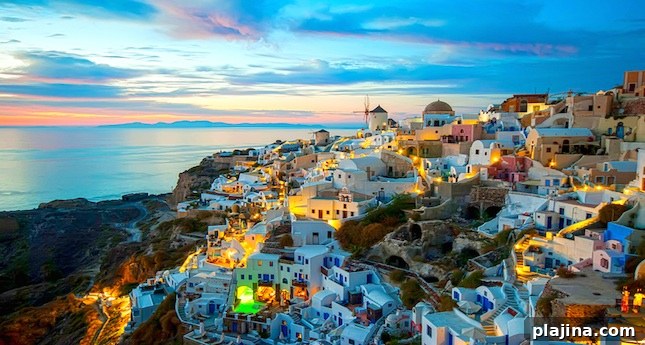
Many reports about Greece’s prolonged recession — the country has faced severe financial strain since 2008 despite multiple bailouts — have noted a surprising bright spot: tourism. In 2014 the number of international visitors to Greece rose by about 21 percent, even as the economy struggled.
Yet that positive headline masks a more complicated reality for people who depend on tourism for their livelihoods. Hotel owners, tour operators, restaurant staff and other tourism workers across Greece continue to feel the effects of the crisis. They are counting on visitor numbers to remain strong, but recent signs suggest demand may be softening. Ferry companies, for example, have reported a fall in bookings for island crossings — in some cases down 30–40 percent compared with the same period in 2014 — and have reduced schedules to match lower demand.
What does this mean if you are planning a trip to Greece? For most visitors, particularly those taking cruises among the islands, the practical impact should be limited. Major museums and key historic sites on popular islands typically maintain regular hours, and cruise itineraries generally proceed without major disruption. However, some smaller attractions and a few local museums have trimmed opening times, so it’s wise to check ahead if there’s a specific site you want to visit.
Travel costs in many areas have become more attractive, with prices for accommodation, dining and services easing in some places. Despite economic difficulties, Greeks remain welcoming: tourism is a vital source of income, and locals generally appreciate visitors for the revenue and the support they bring to communities.
In short, while the broader economic situation in Greece presents challenges for workers in the tourism sector and has prompted some cutbacks in services and ferry schedules, most travelers should still find a warm reception, good value and an overall smooth experience when visiting the country’s major islands and attractions. It’s sensible to confirm schedules for smaller sites and local transport in advance, but there’s no need to expect significant inconvenience on popular routes and well-known destinations.