
Hotel Lilou, with a façade painted in soft peach and pale blue, is a protected local landmark. Originally known as the Hôtel des Étrangers in the 19th century and later renamed Hôtel du Parc, the property changed hands in 2020 when French entrepreneur David Pirone purchased it. A three-year renovation by Paris-based firm Haddou Dufourcq transformed the building into a four-story hotel with 37 rooms, which reopened last year and quickly became a favorite among locals and international travelers.
© @Lebon.jour
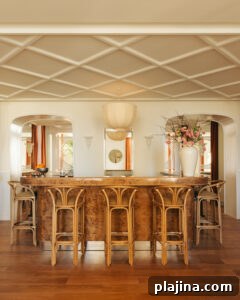
Behind many memorable hotels is an equally memorable bar. At Hotel Lilou, in the Provençal town of Hyères, the bar has become a local attraction. Crafted from poplar burl, it serves drinks and small plates in a retro atmosphere that sets the tone for the whole property. The design blends nostalgia and regional references to create a welcoming, convivial space.
The lounge and bar reinterpret the winter gardens that once accompanied many 19th-century hotels in the area. White trelliswork on the walls complements a large fireplace, while rattan sofas—echoing original Gabriela Crespi designs—evoke the exotic, tropical aesthetic of the 1920s. Long corridors in ochre and earth tones are fitted with checkered carpets, and many rooms retain generous ceiling heights. Large mirrors and cork parquet flooring add warmth and a calming, residential feel.
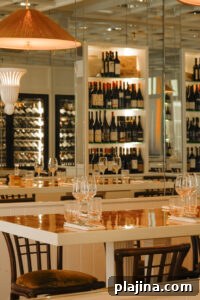
Alongside the fireplace, the hotel restaurant and tasting cellar offer more than 250 Mediterranean wines at accessible prices. The cellar occasionally houses exceptional vintages, including selections from Domaine Hauvette, Clos Saint-Vincent, Domaine d’Anjoube and the great cuvées of Château Malherbe; rare bottles are acquired in limited quantities each year.
© @ludovicBalay
Hospitality at Hotel Lilou emphasizes conviviality: laughter, shared plates and the relaxed pleasure of eating together. The menu draws on culinary traditions from southern Europe and the Mediterranean, with dishes such as panisses (chickpea fritters) served with toum, bouillabaisse croquettes, anchovy gougères and selections of cured ham like pampanella or Pata Negra. These plates are designed for sharing and to pair well with the hotel’s wine list.
The interior palette favors beige, cream and off-white tones, contrasted by brown curtains and poplar burl furniture that lend texture and character throughout the hotel. In a deliberate choice to promote presence and conversation, guest rooms are free of televisions. Bathrooms continue the period-inspired aesthetic, with 1930s-style ceramic basins and full-height geometric tiling that combines functionality with decorative detail.
Drawing on the grandeur of Hyères’ 19th-century villas, Hotel Lilou features an expansive 2,000-square-foot terrace finished with traditional cabochon stone tiles typically found in private mansions. This sun-drenched outdoor space serves as an extension of the dining experience, where guests enjoy lunch and dinner in a relaxed, la dolce vita atmosphere.
The hotel library sits beneath arched crossbeams in an airy, open area lined with shelves. Collections focus on travel, architecture, southern French cuisine and the history of Hyères and its islands. Guests often use the library for breakfast, casual lunches, readings or tastings of local Mediterranean products, making it a social and cultural hub within the hotel.
Hotel Lilou has launched a Guest Chefs series, a program developed by David Pirone to invite visiting chefs to present their culinary visions. The series begins with Chef Emmanuel Perrodin, known for his work in Le Mans and Marseille. Visiting chefs emphasize local sourcing: produce and citrus come from Provençal growers, while meat and seafood are procured from nearby suppliers, ensuring seasonal flavor and close provenance.
Hyères—also known as Hyères-les-Palmiers, the City of Palm Trees—offers beaches, offshore islands and a coastline of turquoise Mediterranean waters. Palm trees are woven into the region’s identity; in the early 20th century palms were cultivated and exported across Europe, a trade that shaped local agriculture and remains part of the landscape today. Hotel Lilou sits within this historic, sunlit setting, offering a modern hospitality experience rooted in regional tradition.