
Heading to El Salvador? Pack an extra bag and explore the El Salvador Artisan Route through six charming towns: San Sebastián, Ilobasco, Suchitoto, La Palma, San Ignacio and Citalá. Each town preserves distinct handicraft traditions, from indigo-dyed textiles to pottery and carved wood. Indigo, a dye once used by the ancient Maya, remains popular for scarves, bags and murals; visits to organic indigo farms can be arranged for those curious about the cultivation and dyeing process.
Watch skilled artisans work on wooden looms to produce patterned textiles such as blankets, hammocks and mats. Many workshops welcome visitors to try the loom themselves and learn traditional weaving techniques. In other towns you can try shaping red clay into small human figures, town miniatures or the traditional egg-shaped ceramics known locally as sorpresas, learning the handcrafting steps from local ceramists.
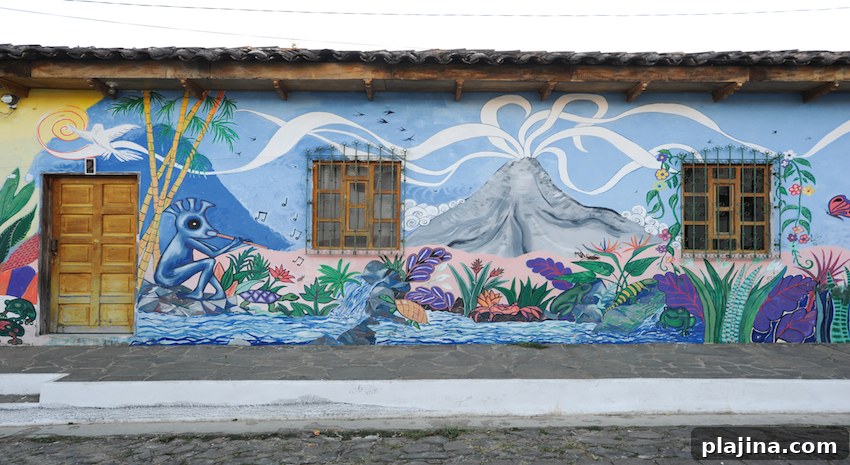
La Palma offers a vivid example of Arte Naif, a folk-inspired style that decorates walls, homes and businesses across the town. Murals and painted works reflect daily life, local legends and Mayan-inspired motifs. Visitors can see this artistic tradition in more than a hundred artisanal shops and take part in hands-on workshops where you can paint wooden boxes, decorative seeds or other local crafts under the guidance of experienced artisans.
Throughout the route, expect a warm welcome and opportunities to meet artisans who preserve time-honored techniques while adapting designs for contemporary tastes. Shops and studios often sell finished pieces and offer demonstrations, so you can bring home authentic souvenirs and support local communities. Whether you’re fascinated by natural dyes, weaving, ceramics or mural painting, the El Salvador Artisan Route offers immersive cultural experiences and plenty of chances to learn, practice and shop.
Plan to spend time in each town to fully appreciate the different crafts and to join workshops that suit your interests. Many workshops are informal and open to beginners, making them ideal for travelers who want to create a personalized keepsake. Local guides and artisan collectives often provide tailored itineraries and can arrange visits to farms, studios and cooperative workshops for a deeper, hands-on experience.
Beyond shopping and craft workshops, the route showcases the region’s cultural heritage and creativity. Sampling locally made goods—textiles, ceramics, painted woodwork and murals—gives insight into community traditions and artistic innovation. The artisan towns are compact and walkable, allowing visitors to combine craft tours with sightseeing, local cuisine and interactions with makers who carry forward generations of craftsmanship.