
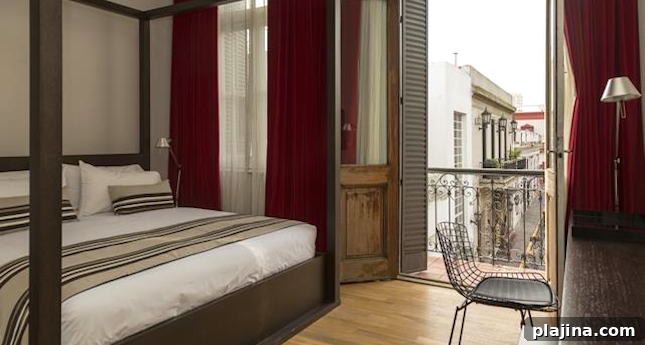
Facing Plaza Dorrego in the historic San Telmo neighborhood of Argentina’s capital, the Anselmo Buenos Aires will join Hilton’s Curio Collection as an authentic, upscale property rich in character. Once a mansion believed to have been the private residence of the renowned tango composer Anselmo Aieta, the building traces its origins to the early 1900s and preserves the original façade while featuring a modern interior and contemporary décor.
The hotel represents the Curio Collection’s first addition in South America and plans to offer 50 guestrooms. Renovation work will include the creation of a private interior plaza designed to reflect local Argentine culture and enhance guests’ experience of the city’s atmosphere. The property’s location on Plaza Dorrego places it in the heart of San Telmo, a neighborhood known for its colonial architecture, antiques markets, and vibrant tango scene.
Guests can expect a blend of historic charm and modern comforts. The preserved exterior maintains the building’s period character, while renovated interiors aim to provide contemporary amenities and thoughtful design that highlight local materials and artistic influences. Public spaces are expected to complement the guestrooms with areas suitable for relaxation and socializing, all while honoring the site’s cultural heritage.
With only 50 rooms, the hotel is positioned to offer a more intimate, boutique-style experience within a globally recognized brand. The addition of a private interior plaza will provide a quiet, culturally inspired retreat for visitors, creating opportunities for small events, gatherings, and moments of leisure that resonate with Buenos Aires’ social traditions.
Located in a neighborhood that attracts both tourists and locals, the Anselmo Buenos Aires’s proximity to Plaza Dorrego means easy access to street markets, cafés, tango performances, and historic sites. This combination of location, restored architecture, and contemporary hospitality aims to deliver a distinctive stay that reflects the spirit of Buenos Aires while meeting international standards of service.
As renovations proceed, the hotel will aim to balance preservation and modernization—retaining key architectural elements from the building’s past while introducing amenities that serve today’s travelers. The project highlights how adaptive reuse of historic properties can safeguard cultural identity while contributing to the city’s hospitality offerings.