-
 © Demid | Dreamstime.com
France’s celebrated Loire Valley stretches across roughly 170 miles of rolling countryside, where elegant châteaux, historic estates, vineyards, woodlands and winding rivers create a landscape steeped in history. From the medieval exploits of Richard the Lionheart to the Renaissance brilliance of Leonardo da Vinci and the heroic story of Joan of Arc, the region reflects centuries of cultural and political significance. Although the valley contains well over 80 châteaux, this selection highlights a few that stand out for their architectural beauty, storied pasts and the unique visitor experiences they offer. -
© Tilo | Dreamstime.com
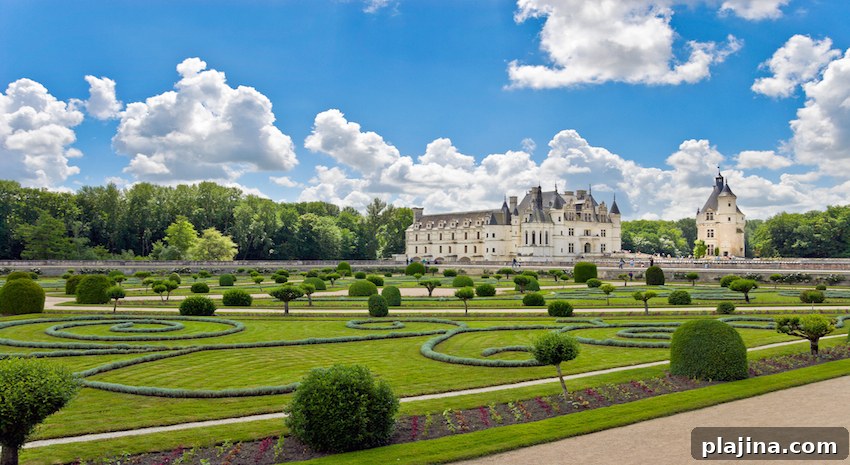
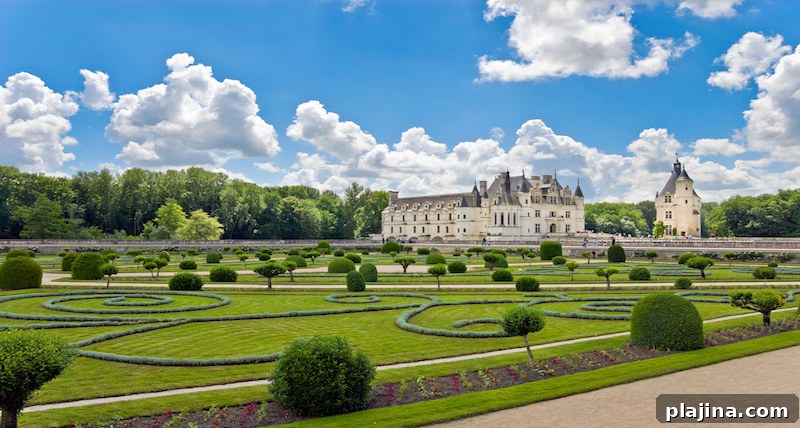
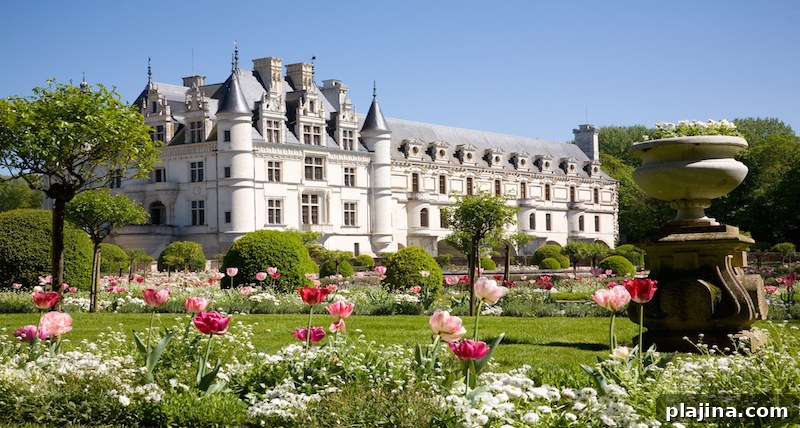
Known as “The Ladies’ Château,” Chenonceau has been shaped and preserved by influential women since the early 16th century. Spanning the River Cher, this masterpiece of Renaissance architecture is famed for its graceful arches, richly decorated interiors, Old Master paintings and 16th-century Flemish tapestries. The château’s formal gardens and riverside setting add to its timeless appeal. -
© Jay Beiler | Dreamstime.com
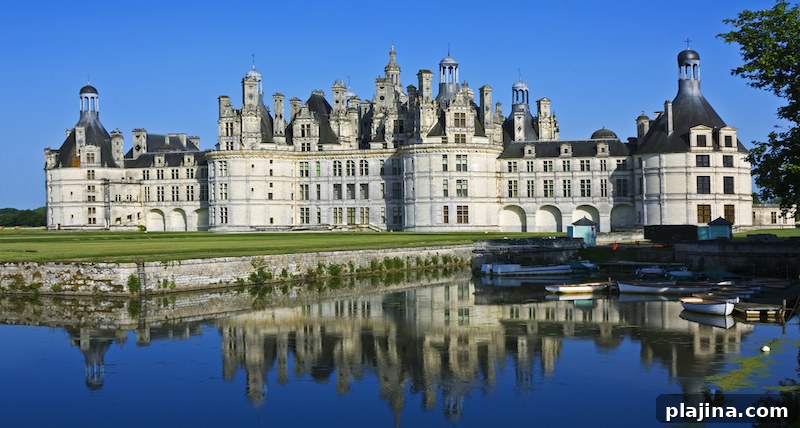
Commissioned by Francis I, Château de Chambord symbolizes the grandeur of the French Renaissance. Its striking white façade, distinctive turrets, ornate chimneys and the legendary double-helix staircase create an unforgettable silhouette. The estate includes hundreds of rooms—dozens open to the public—and vast grounds and forests that convey the scale and ambition of its original design. -
© Scaliger | Dreamstime.com
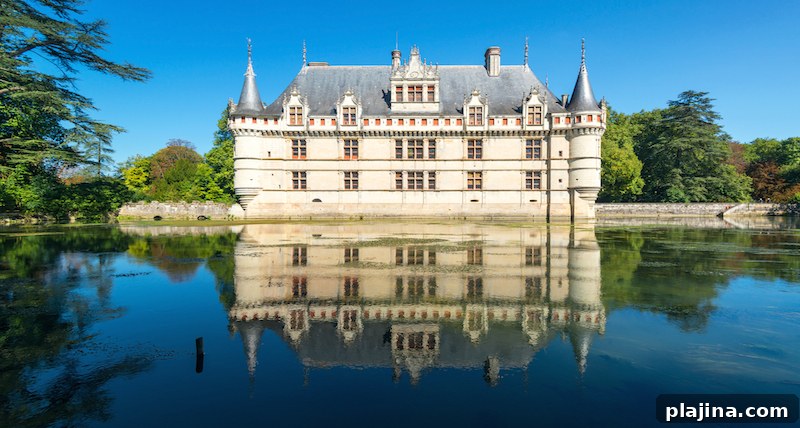
Rising from a small island in the Indre River, Azay-le-Rideau exemplifies the refined interplay of French and Italian Renaissance styles. Constructed during the reign of Francis I, the château is noted for its sculpted staircases, richly furnished rooms and an impressive Great Hall. Surrounding gardens—including an English-style park and the peaceful Jardin des Secrets—provide a tranquil setting that complements the architecture. -
© Scaliger | Dreamstime.com
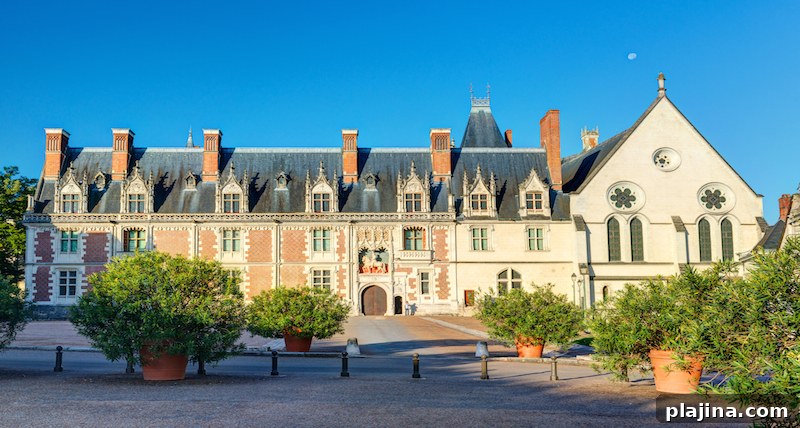
The Royal Château of Blois served as a royal residence for numerous French monarchs and queens across centuries. Its complex presents four wings built in distinct architectural styles, offering a visible timeline of France’s evolving tastes in design. The château also houses the Musée des Beaux-Arts, which presents European artworks spanning several centuries. -
© Eyewave | Dreamstime.com
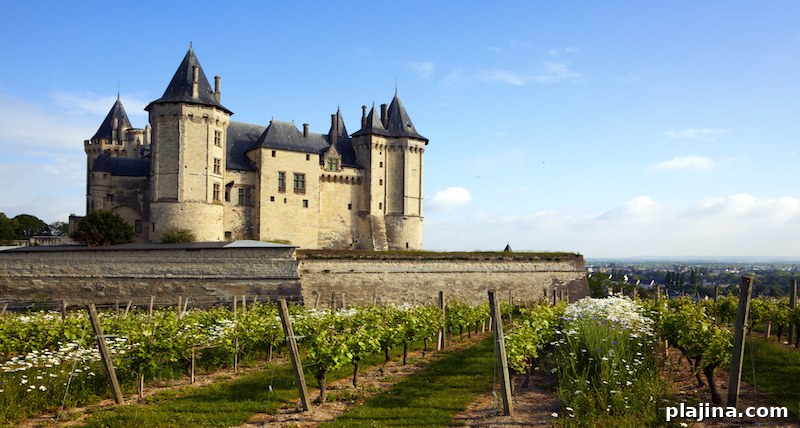
Perched on a rocky promontory above the Loire, the Château of Saumur commands stunning views of the river and the old town. Over its long history it has served as a fortress, a prison and an arsenal, yet its fairy-tale silhouettes, elegant facades and surrounding vineyards make it one of the region’s most picturesque sites. -
© Mardym | Dreamstime.com
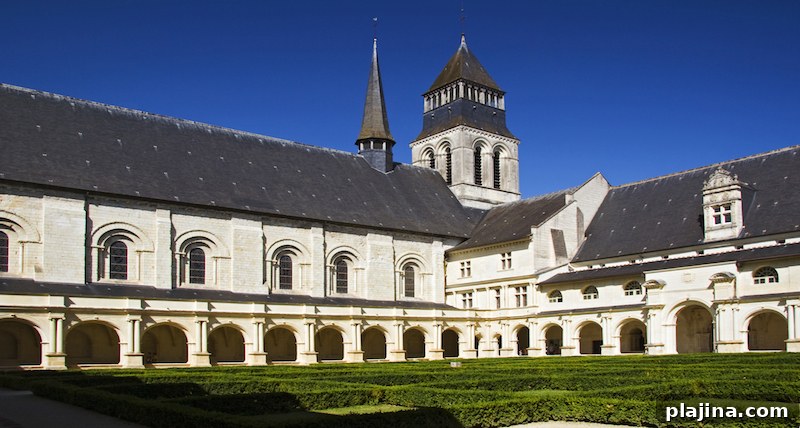
Founded in the early 12th century, the Abbey of Fontevraud was home to prominent medieval figures, including Eleanor of Aquitaine. Later converted into a prison under Napoleon, the abbey eventually returned to cultural use and is admired today for its Romanesque architecture, Byzantine influences, historic church and serene gardens. -
© Aagje De Jong | Dreamstime.com
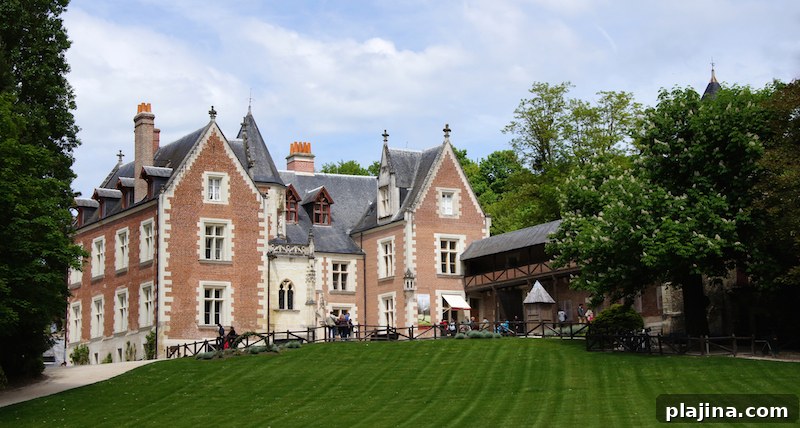
The Château of Clos Lucé is best known as Leonardo da Vinci’s final residence in France. From 1516 until his death in 1519, da Vinci worked here as painter, engineer and architect to the king. Today the house and its grounds showcase models of his inventions and an open-air Jardin de Léonard inspired by his drawings and paintings, offering a glimpse into the imagination of the Renaissance master.