
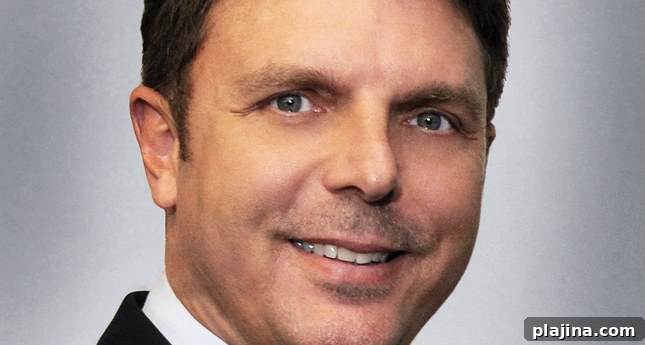
TO WHAT DO YOU ATTRIBUTE LUFTHANSA’S SUCCESS, GIVEN THE CURRENT CHALLENGES IN THE INDUSTRY?
Lufthansa’s relative financial stability in recent years has been a key factor in our success amid industry turbulence. That stability has allowed us to keep investing in products, systems and infrastructure while focusing on long-term strategy. Over the past years we have allocated significant capital to modernizing our fleet and passenger experience: aircraft investments, substantial lounge upgrades and major infrastructure projects that few competitors can match.
We are rolling out a redesigned business class with fully flat seats that convert to beds, alongside an improved economy class offering more legroom and enhanced personal space. A new first-class product is already installed across much of our fleet and has been well received by passengers. These product upgrades reinforce our commitment to comfort, convenience and premium service.
Operational improvements at our hubs are another pillar of Lufthansa’s approach. Connections at Frankfurt are now more efficient, with many transfers achievable within 45 minutes. We have also implemented significant enhancements at Munich Airport and opened a new Senator Lounge in Frankfurt. At the dedicated First Class Terminal in Frankfurt, first-class passengers enjoy a chauffeured limousine transfer to their aircraft and exclusive amenities, including a cigar bar in the First Class Lounge. Many customers even build extra time into their airport plans specifically to enjoy these facilities.
Across the network, our priorities remain quality, safety, punctuality and reliable connections. When disruptions occur, we emphasize rapid problem solving and customer-focused recovery to minimize inconvenience.
WHAT DOES THE AIRBUS A380 OFFER BUSINESS AND LUXURY TRAVELERS?
The Airbus A380 is a popular choice among travelers, with many passengers requesting it when booking. Its cabin layout supports a comfortable and private experience for premium customers: handcrafted leather first-class seats, modern in-flight technology, dedicated storage and seating that provides on-demand privacy. The first-class section also benefits from larger lavatories shared among relatively few passengers.
Despite early industry concerns about the aircraft’s capacity, the A380’s compartmentalized cabin design ensures each class retains a sense of privacy and exclusivity. Operationally, the A380 often uses two jet bridges for boarding and disembarkation, which can streamline the passenger flow compared with some smaller aircraft. Onboard humidification systems help reduce the physical effects of long-haul travel, while the aircraft’s quiet operation and fuel efficiency align with Lufthansa’s environmental goals.
HOW DO BUSINESS AND LUXURY TRAVELERS BENEFIT FROM LUFTHANSA’S PARTNERSHIPS?
The Lufthansa Group includes strong airline brands such as Swiss International Air Lines, Austrian Airlines and Brussels Airlines, creating a cohesive network that delivers a seamless travel experience. For example, Brussels Airlines is launching a direct service to New York this spring, expanding options for customers. In addition to our internal group partners, we maintain joint ventures and strategic partnerships with carriers like United Airlines and Air Canada to coordinate schedules, products and services around customer needs. These collaborations extend route choices, streamline connections and enhance consistency in service for business and luxury travelers.
TELL US ABOUT YOUR CAREER IN AVIATION.
I have been with Lufthansa for 21 years. My early career included three years in Germany, followed by a role as cargo manager in Jeddah, Saudi Arabia. I subsequently worked in Spain, across South America, in the United States and then returned to Germany as head of the global cargo division. This position on the passenger side is my first, and it has been both exciting and educational. I am eager to continue learning about the dynamic U.S. market, where many emerging travel trends originate and evolve.