
The Beverly Hills Conference and Visitors Bureau, together with trend forecasting agency IN(K), has released a report identifying emerging directions in the global luxury market. The study examines spending patterns across ten selected cities and across different generations to outline where luxury demand is shifting.
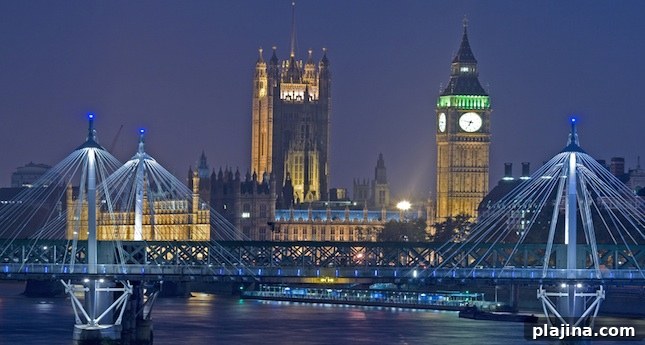
The report finds London leads the world in the number of so-called “ultra-high net worth individuals,” with Tokyo ranking second. London’s position is attributed to its strategic location and a growing cohort of millennial spenders, while Tokyo benefits from Japan’s cultural emphasis on high-value gifting and premium goods.
Luxury brands are increasingly shaping their identities online, building digital platforms and targeting consumers who are active on social media. Yet the report notes that many brands remain committed to preserving their image as producers of high-quality, aspirational goods rather than relying solely on digital marketing. At the same time, consumer interest in luxury in-person experiences — especially those offering exclusivity — is rising and may ultimately matter more than a brand’s online footprint.
Other notable trends highlighted include a stronger demand for locally sourced products in shops and restaurants, driven by a growing group of “localtarian” consumers who favor regional authenticity. Mindful shopping experiences that promote ethical, sustainable, or personally meaningful purchases are also gaining traction, as buyers seek to feel good about the choices they make.
Menswear retail is evolving to become more experiential, with many stores adding features such as bars, billiards and on-site barbershops to create social, lifestyle-oriented spaces. Limited-edition and bespoke products remain highly sought after, reflecting a wider appetite for personalization and rarity. Millennial buyers in particular are pushing luxury toward subtler design: they prefer understated branding and refined aesthetics over overtly flashy logos.
Overall, the report signals a luxury landscape that balances digital engagement with a renewed emphasis on tangible, exclusive experiences and locally rooted authenticity. Brands that can combine quality craftsmanship, thoughtful in-person encounters and selective digital storytelling are best positioned to meet evolving consumer expectations.