
Fukuoka, Japan blends centuries-old heritage with a modern, creative spirit. The city offers a wide range of experiences, from ancient shrines and castle ruins to contemporary art spaces and fashion-forward neighborhoods. Throughout the year, Fukuoka’s calendar features concerts, culinary festivals and cultural exhibits that showcase both local tradition and innovation.
© Fukuoka
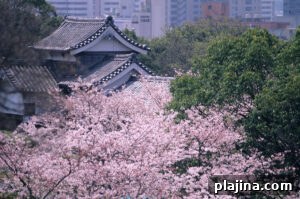
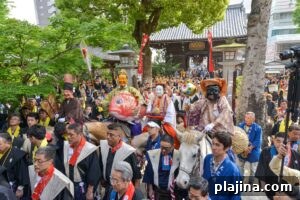
Spring brings cherry blossoms that frame the Fukuoka Castle Ruins, a nationally recognized historic site where preserved stone walls and flowering trees create a picturesque setting. In summer, the Hakata Gion Festival—part of UNESCO’s Intangible Cultural Heritage—celebrates a 700-year legacy with vibrant floats and community rituals. Autumn highlights include the vivid foliage and seasonal art installations in Ohori Park’s Japanese Garden, while winter fills the city with illuminated displays and festive markets offering local treats.
© Fukuoka
Hakata’s Old Town is especially rewarding to explore. Kushida Shrine, founded in 757, remains a focal point of local tradition and is widely visited for prayers for prosperity and long life. The shrine is also central to community events such as the Yamakasa Festival. Nearby, the Hakata Machiya Folk Museum offers a window into the city’s past, with hands-on craft workshops and exhibits that reveal daily life and customs in historic Hakata.
For contemporary and interactive art, teamLab Forest Fukuoka presents immersive experiences that blur the lines between technology, nature and play. The space features two main areas: Catching and Collecting Forest, where visitors interact with digital wildlife and learn through mobile-assisted exploration; and Athletic Forest, a dynamic environment designed to develop spatial awareness through physical, interactive challenges.
© Fukuoka
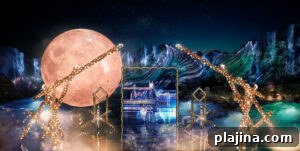
SORA — a nighttime art experience set in the Japanese Garden of Ohori Park — transforms the century-old landscape into a moving tableau of light and sound. The installation invites visitors to become part of the performance: subtle movements alter the projections, reflecting a traditional Japanese idea that divinity is present in all things. The result is a contemplative, participatory display that blends nature, technology and ritual.