
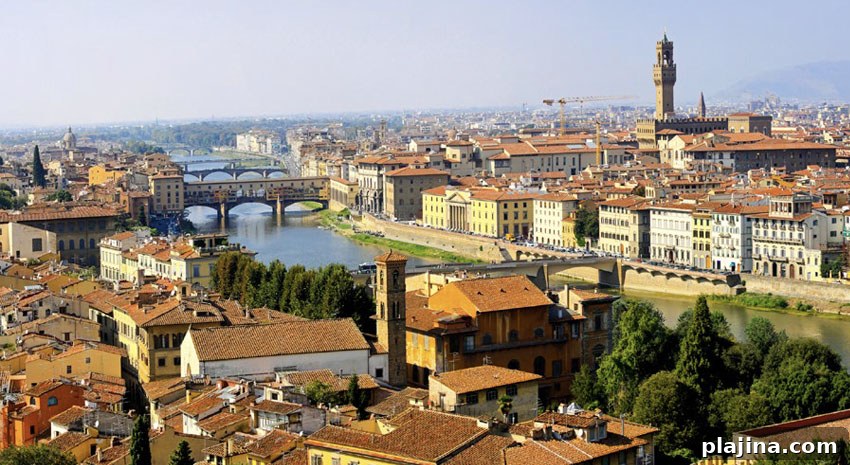
THE TUSCAN CAPITAL, FLORENCE, sits at the heart of Italy’s second-largest wine-producing region, surrounded by centuries-old vineyards and grapes of international renown. Standing beneath a warm evening sky with a glass of Chianti in hand, listening to the river ripple beneath the Ponte Vecchio, is an experience that perfectly captures the city’s timeless allure.
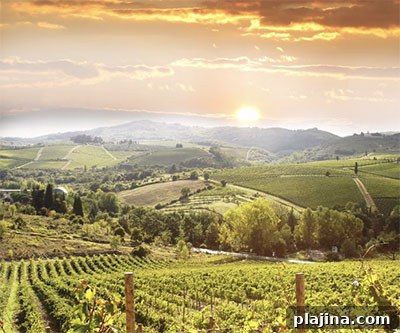
Chianti vineyard landscape © TOMAS MAREK | DREAMSTIME.COM
While wine tourism is a major draw, Florence’s appeal extends far beyond vino. More than 10 million visitors each year come to admire the terracotta roofs and elegant steeples, and to immerse themselves in art, cuisine, history and culture. The balance between resident life and tourism is delicate, but the city’s cultural riches keep travelers coming.
There is a clear synergy between wine tourism and Florence’s luxury travel market, and tourism across all sectors continues to grow. Improved rail connections now link the city more easily to Florence Airport, and infrastructure projects including terminal and runway upgrades are underway. These developments will bolster Florence’s standing for MICE (meetings, incentives, conferences and exhibitions) and increase foreign investment. Large industry players, such as General Electric’s Nuovo Pignone division, already contribute notably to the corporate travel segment.
“From a business point of view,” says Valeriano Antonioli, CEO of Lungarno Collection, “there are many investment opportunities in Florence. The city is well connected to three airports—Florence City Airport, Pisa and Bologna—and to a high-speed rail system that links Venezia, Milano and Rome in under 90 minutes. Foundations for business development exist for luxury hotels, more affordable accommodations and residential projects.”
Opinions vary on how political and economic uncertainty in Italy affects luxury tourism. A recent study by the European Tour Operators Association showed growth in visitor numbers has led some residents to feel overcrowded, making everyday life harder for locals. Managing this dynamic is a growing priority for city planners and hospitality leaders.
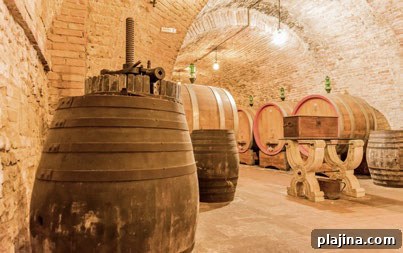
Vine Nobile di Montepulciano cellar © FABIO MIGLIORUCCI | DREAMSTIME.COM
“Tourism needs regulation,” says Patrizio Cipollini, general manager of Four Seasons Firenze. “We need rules and a legal framework to manage large visitor numbers and protect the city. Museums should be bookable in advance to avoid long queues; high-quality services must be guaranteed; taxis should be readily available; and infrastructure needs investment. Institutions should prioritize these areas to preserve Florence’s character.”
Cipollini believes that introducing exceptional businesses tied to Florence’s artisanal traditions, along with new high-quality hotels, museums and attractions, will strengthen the city’s appeal. The wedding tourism segment has become particularly important, with Florence now a sought-after destination for ceremonies and receptions. Initiatives like the DUCO Travel Summit, the first fair dedicated to Italian luxury tourism, further raise international awareness.
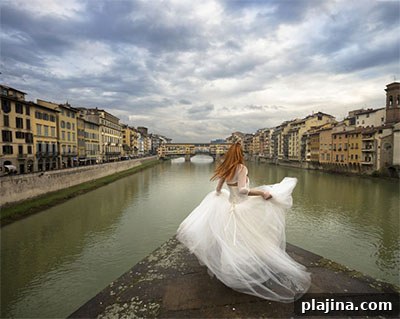
Bride in front of the Ponte Vecchio medieval bridge © MASSIMO SANTI | DREAMSTIME.COM
Florence’s luxury segment also benefits from its links to fashion and gastronomy. The Pitti Fashion Fair draws thousands and supports mid- to large-scale luxury textile producers, while the city’s culinary scene has seen a renaissance with several Michelin-starred restaurants in the center and renowned wine cellars like Enoteca Pinchiorri enhancing Florence’s reputation.
“Unlike some other Italian tourist cities,” says Antonioli, “Florence has retained its integrity. It’s a real city where locals and travelers coexist. It offers an ideal lifestyle: compact, walkable and full of hidden treasures. Museums, parks and monuments feel like a neighborhood amenity rather than a tourist-only spectacle.”
CHECKING IN WITH MARIA CASSI
Actress, author and director; cofounder and artistic director of Teatro del Sale
Florence’s past as an economic capital continues, though the economy has shifted toward tourism. Do you feel tourism diminishes or enhances the city’s cultural life? Tourism is essential and should coexist with culture. As an artist I welcome visitors. The city must continue to make culture its reference point while recognizing that tourism brings both opportunity and standardization.
Is Florence supportive of local artistic endeavors? My theater, Teatro del Sale, has grown into a cultural hub that reaches beyond Florence. Since 2003 our association has cultivated a loyal audience and created a compact but vibrant performing arts community that serves as a creative springboard for shows presented across Italy and abroad.
What do you love most about being an artist in Florence? Florence taught me a deep appreciation for beauty, ethics, art and integrity. Being born here gave me strong Tuscan values that shape my work and life.
What would you like to see in the city’s future? I would welcome greater openness and a willingness to embrace cultural and religious differences. Diversity enriches society and connects us to the wider world.
Things to Do in Florence
Exploring the wine regions around Florence offers a vivid perspective on the city’s relationship with its surrounding vineyards. The area is famous for Sangiovese grapes used in Chianti, Brunello di Montalcino, and Prugnolo Gentile—the backbone of Nobile di Montepulciano. Most wineries are family-run and intimate, so tasting visits tend to be leisurely and often include meals that highlight the wines’ nuances. Italy lists 154 official Wine Trails with roadside signage to guide self-drivers; many travelers prefer private tours led by a sommelier or local guide because some of the finest vineyards lie on narrow rural roads. For bespoke wine-focused itineraries, specialized luxury tour operators can tailor experiences to your schedule and interests.
Florence Info to Go
Florence is served by both Florence City Airport (FLR) — Aeroporto di Firenze-Peretola — and Pisa International Airport (PSA) — Galileo Galilei. Florence Airport is roughly 3.7 miles from the city center; an information desk in arrivals is open daily from 8:30 a.m. to 6:30 p.m. A shuttle runs to the city center in about 20–25 minutes; tickets are available at airport newsstands or on board. Official white taxis to the center charge a fixed rate of €20. Travelers should avoid vehicles marked “NCC,” which are not official taxis. Pisa Airport is about an hour from Florence by road; buses, taxis and rail links connect travelers via Pisa Central Station to Florence’s main rail hub. The Pisa Mover shuttle links the airport to Pisa Central Station for onward train service.
Florence: Just the Facts
Time zone: GMT +1
Phone code: Country code: 39 — City code: 55
Currency: Euro
Key industries: Tourism, food processing, machinery, chemicals, textiles, clothing, footwear, motor vehicles, iron and steel
COMING AND GOING
U.S. citizens visiting for up to 90 days must carry a passport valid for at least six months beyond the planned departure date with two blank pages for entry stamps.
OFFICIAL LANGUAGE
Italian
Where to Stay in Florence
FOUR SEASONS HOTEL FIRENZE
A palazzo-turned-city sanctuary that evokes Renaissance elegance, complete with gardens, a Michelin-starred restaurant and a serene spa. Borgo Pinti 99 — luxury pricing.
HOTEL LUNGARNO
Decor inspired by a luxury yacht, this property on the Ponte Vecchio offers 65 rooms and suites and an impressive art collection of more than 450 works. Borgo San Jacopo 14 — luxury pricing.
IL SALVIATINO
Set on the outskirts of the city, this villa features organic vegetable and herb gardens that supply the kitchen, exposed stone interiors, formal gardens and a comprehensive spa complex. Via del Salviatino 21, Fiesole — premium pricing.
Restaurants in Florence
LA DIVINA PIZZA
A compact pizzeria specializing in Roman-style deep-dish pizzas topped with local ingredients like figs, olives and artisan cheeses. Via Borgo Allegri 50R — moderate pricing.
PASTICCERIA NENCIONI
A classic pastry shop and café serving local sweets such as the fedora, an orange cake encased in dark chocolate. Open for breakfast and pastries. Via Pietrapiana 24R — budget-friendly.
TRATTORIA CAMMILLO
A family-run, old-world trattoria in the Oltrarno neighborhood known for hearty Tuscan classics and a warm atmosphere. Borgo San Jacopo 57R — mid-range pricing.