
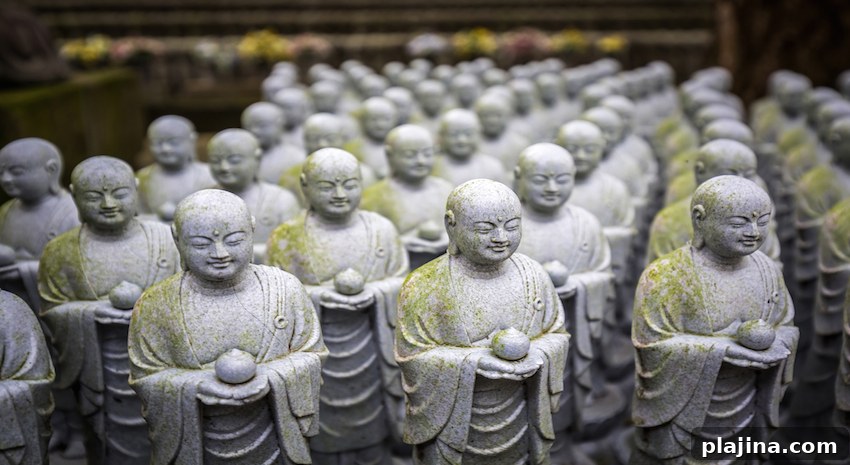
Photographer Ken Domon rose to international prominence for his powerful images of Hiroshima bombing survivors, but his remarkable career encompassed much more. He is celebrated for his photographic realism and for a distinguished series of images documenting Buddhist temples and religious sculptures. Even after suffering two strokes that left him confined to a wheelchair, Domon continued his work, producing dozens of books in his later years. Among these, Koji Junrei is widely regarded as one of his most important achievements.
The Ken Domon Museum of Photography, located in his hometown of Sakata, was the first museum in Japan dedicated entirely to photography and remains a central institution for appreciating his legacy. Domon’s life and work have inspired numerous studies, including the recent collection Domon Ken: The Master of Japanese Realism (Skira, 2017), edited by Rossella Menegazzo and Takeshi Fujimori, the artistic director of the Sakata museum. Contemporary Japanese photographer Yuki Seli contributed to the book, which presents a carefully curated selection of Domon’s images.
The volume combines deeply moving post-war photographs with serene views of ancient temples and intimate studies of Buddhist sculpture, alongside surprising wartime images Domon captured while sheltering in traditional puppet theaters. Together these works reveal the breadth of his vision: an unflinching social realism paired with a contemplative, reverential approach to Japan’s cultural and religious heritage. For readers and viewers seeking a thoughtful introduction to Japan through photography, this collection offers both historical depth and artistic insight.