
As the legislative capital of South Africa and one of the country’s three capital cities, Cape Town is often called the Mother City as the oldest urban center in the nation. The country’s second-largest metropolis after Johannesburg, Cape Town covers roughly 950 square miles and blends dense urban neighborhoods with suburban districts that climb the steep, winding slopes rising toward Table Mountain.
Founded in 1652 by the Dutch East India Company as a refreshment station for passing ships, Cape Town has grown into a vibrant port city set within the biologically rich Cape Floristic Region. Modern Cape Town combines high-rise business districts and lively pedestrian malls with deep historical roots and a diverse cultural scene. Visitors encounter a wealth of experiences—outdoor adventure, museums and galleries, a flourishing food culture, and dramatic landscapes that deliver spectacular views. The city’s variety of attractions consistently places it among the world’s most admired urban destinations.
© PHOTOSKY | DREAMSTIME. COM
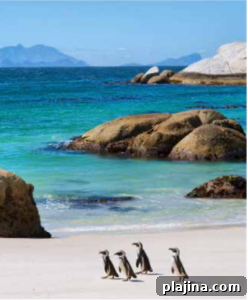
Cape Town’s scenery is consistently impressive. Its varied terrain includes mountains, coastal plains, forests, and protected reserves, all within one of the world’s most unique floral biomes dominated by fynbos. Table Mountain, which rises to about 3,563 feet, provides panoramic 360-degree views over the city and coastline. The Cape Point Nature Reserve offers dramatic cliffs and sweeping ocean vistas, while sandy beaches from Camps Bay to Diaz Beach invite sun and surf. At Boulders Beach you may spot endangered African penguins in their natural habitat, and the expansive Kirstenbosch National Botanical Garden showcases more than 1,300 acres of fynbos, cultivated gardens, and indigenous forest.
The city’s mild Mediterranean climate ensures long, warm summers and comfortable conditions year-round, making outdoor activities accessible in every season. Wander the cobblestone streets of Bo-Kaap to experience a neighborhood famous for its brightly painted houses and rich Cape Malay heritage—an area shaped by history, music, religious traditions, and flavorful cuisine. If you visit on January 2, you can see the colorful Cape Town Minstrel Carnival, a lively parade with deep cultural roots. Throughout the year, the flavors of Cape Malay cooking are an essential part of the city’s culinary identity.
Cape Town is widely recognized as South Africa’s culinary capital, home to some of the nation’s most innovative chefs and restaurants. Centuries of cultural exchange created a distinctive local cuisine that blends fresh seafood with hearty stews (bredies), fragrant curries, preserved condiments like atchara and sambal, and sweet specialties such as boeber. Chefs across the city reinterpret traditional African, European, Middle Eastern, and Asian influences to produce menus that range from casual street food to refined tasting menus.
The region’s climate and varied landscapes have also supported a long-standing wine tradition. Over 300 years of viticulture have established the Cape Winelands as one of the world’s notable wine-producing regions, with more than 500 wineries across scenic valleys. About 25 miles east of the city, towns such as Stellenbosch, Paarl, and Franschhoek form the core of this district, where visitors can follow scenic wine routes, tour historic estates, and enjoy tastings that showcase exceptional South African varietals and innovative winemaking.