
Awareness of fair and sustainable travel is rising worldwide, and more visitors now consider a destination’s eco-friendly practices and community impact before planning a trip. As travelers place greater emphasis on responsible tourism, they look beyond traditional ecotourism to experiences that support local culture, encourage meaningful interactions with residents, and distribute benefits more equitably.
Seoul stands out as a leading destination for fair and sustainable travel. The city preserves its cultural heritage while promoting awareness of sustainable practices across the tourism sector. In summer 2022, the Seoul Tourism Organization hosted the Global Fair & Sustainable Travel Contest, inviting participants from around the world to share photos, videos, and essays that reflected their perspectives and experiences with responsible travel.
To experience sustainable travel in Seoul, consider these five activities and sites:
© Seoul Tourism Organization
Bukhansan Mountain
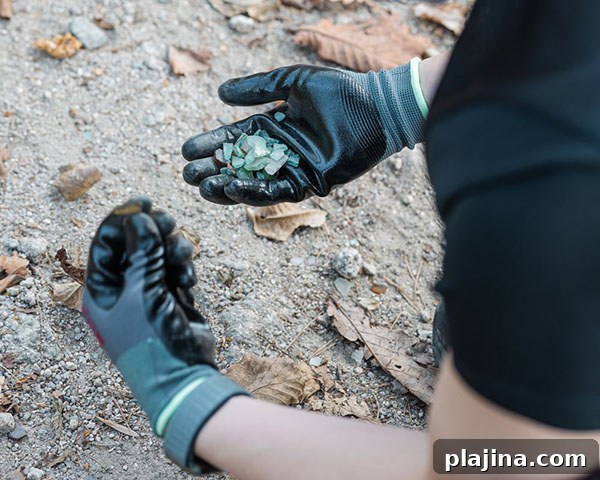
Bukhansan Mountain and its surrounding areas welcome visitors of all fitness levels with a wealth of outdoor attractions. Join the growing mountain plogging trend—hiking while picking up litter—to combine exercise with environmental stewardship. Originating in Sweden from the words plocka upp (to pick up) and jogga (to jog), plogging has become popular across South Korea on social media. Recyclable plogging bags are available at Bukhansan National Park Ui Ranger Station and Bukhansanseong Park Information Center.
The area offers 20 walking trails, or dulle-gils, along the mountain’s borders. These paths lead to historical and cultural sites, including the graves of 12 Korean Independence Movement patriots, the Museum of Modern Korea, Ui-dong Meeting Square, the April 19th Observatory, and Pine Tree Shelter.
© Seoul Tourism Organization
Cycling
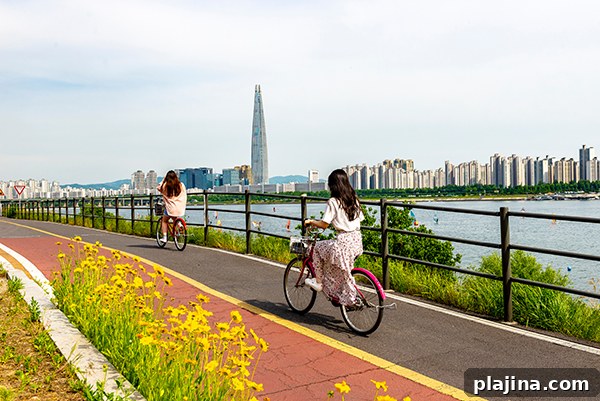
Cycling is a popular way to explore Seoul, with Seoul Bike rental stations available throughout the city. Here are four recommended routes that showcase different sides of the capital.
Follow a smooth, easy riverside path of just over 10 miles from Banpodaegyo Bridge to Mapodaegyo Bridge along the Hangang River, ideal for panoramic views and relaxed riding.
Trace a roughly 6-mile historical route from Jungnangcheon Stream to Jamsilcheolgyo Railroad, with a stop for birdwatching in Seoul Forest Park and distant views of the 123-floor Lotte World Tower.
A short, highly recommended route of about 2 miles runs from Gyeongbokgung Palace to Gwanghwamun. This circular path offers tranquil scenery and a photo opportunity at the Angel Fountain in front of Cheong Wa Dae, which is beautifully illuminated at night.
For more adventurous cyclists, the approximately 8.5-mile route from Hongjecheon Stream to Bulgwangcheon Stream includes nearly 300 feet of elevation change and several cliff-side slopes, rewarding effort with striking views.
© Seoul Tourism Organization
A Taste of Local Culture at Bukchon Hanok Village
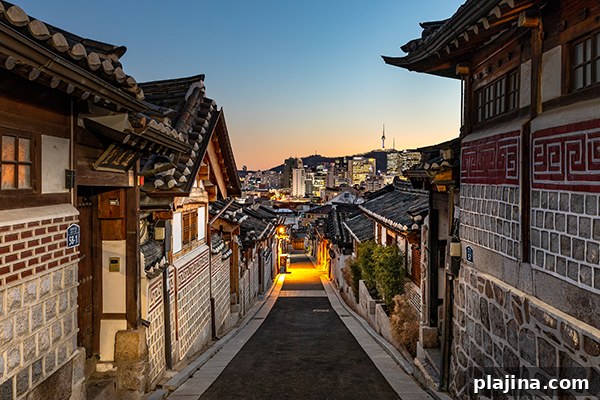
Bukchon Hanok Village offers an authentic glimpse into traditional Korean life. Once home to aristocrats 600 years ago, the neighborhood features narrow alleys lined with hanok—traditional Korean houses—and preserves many important historical assets. Notable sites include Changdeokgung Palace, Wonseo-dong Gongbang-gil, Gahoe-dong Alleyway, and the Samcheong-dong stone stairs.
Visitors can join cultural workshops at the Bukchon Traditional Culture Center, learning calligraphy, pansori (musical storytelling), and jogakbo (patchwork). The Bukchon Hanok Hall displays the embroidery work of master artisan Han Sang Soo and other traditional crafts.
© Seoul Tourism Organization
Seongsu
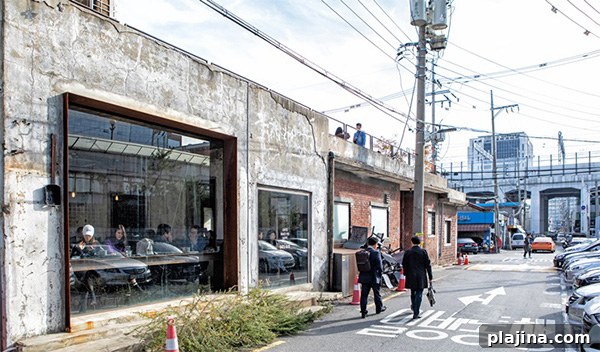
Seongsu is a neighborhood that showcases urban regeneration and cultural preservation. Visitors can take specialized tours such as the Handmade Shoes Tour through the area’s shoe alley, or the Café Tour that highlights converted warehouses and factories now serving as exhibition spaces and trendy cafés.
Food lovers should explore Seongsu-dong Galbi Alley to sample various takes on galbi, Korean grilled ribs. Each restaurant in the alley offers its own marinades, seasonings, and techniques, allowing visitors to compare different regional and chef styles.
© Seoul Tourism Organization
Cheong Wa Dae
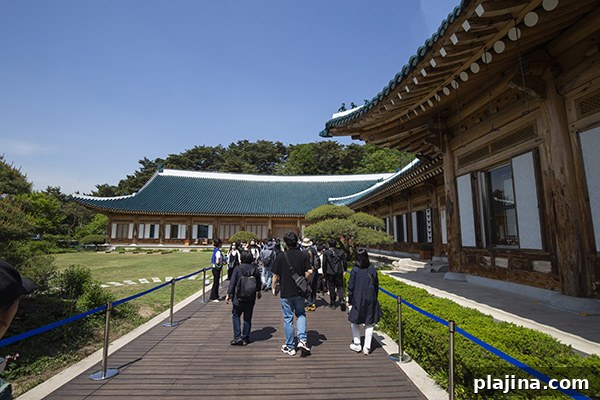
Cheong Wa Dae, commonly known as the Blue House, opened to the public with the inauguration of South Korea’s 20th president and sits at the heart of the Jongno neighborhood. Its opening spurred revitalization of nearby commercial districts and encouraged visitors to explore surrounding areas. Formerly the executive office and official residence of the president, Cheong Wa Dae is set against the backdrop of Bugaksan Mountain. Today the site hosts cultural events and performances, and a new hiking trail makes the mountain widely accessible.
Seoul offers numerous opportunities for responsible and rewarding travel. Choose the activities that resonate with you and discover the city’s many fair and sustainable options.