Mumbai, India’s commercial heart, is the nation’s wealthiest and most densely populated city, home to more than 13 million people. Vibrant and multifaceted, the city offers a striking mix of colors, flavors and sounds. Sacred cows, luxury cars and three-wheeled tuk-tuks share the streets with food vendors, while pedestrians in turbans, business suits, dhotis and brightly colored saris fill the sidewalks. As a cosmopolitan center for culture, fashion and film, Mumbai is also India’s entertainment capital, attracting Bollywood stars, international financiers and affluent locals, all contributing to its enduring glamour.
This is a place of contrasts where people from diverse backgrounds converge. Expect crowds and a rich sensory experience. Gleaming skyscrapers and modern shopping centers rise beside dense informal settlements. Many people live and beg near the city’s upscale hotels, so Mumbai can feel both uplifting and heart-wrenching in the same moment.
With sensible precautions, Mumbai is generally safe. Travelers—especially women—should exercise extra care. While the city does not experience the same levels of violence against women seen in some other regions, it is important to use reliable transportation and dress modestly. For example, showing bare arms is not customary; Indian businesswomen often wear saris or conservative Western attire in this fashion-conscious city. Public transit is crowded and not usually recommended for foreign visitors; taxis can be inconsistent in reliability and driver skill, and many drivers have limited English. The most dependable option for business travelers is a prearranged private car and driver.
Mumbai operates according to its own rhythms, which may differ from Western expectations. Communication can be indirect—“yes” might mean “I’ll consider it,” “no” may imply uncertainty, and “I’ll try” can be a polite refusal. Patience and flexibility go a long way.
Traditional greetings differ from Western customs. Instead of a handshake, many Indians use the namaste—palms pressed together at chest level with a slight bow—which is especially appropriate when greeting women. Exchanging business cards at the first meeting is customary; present and receive cards with the right hand and treat them respectfully when storing them.
Business dealings in Mumbai often rely on relationships, intuition and trust. Decisions tend to move at a slower pace, and negotiations can take time. This is not a sign of apathy but a reflection of the emphasis placed on building lasting connections. Family obligations often take priority over business commitments, so expect occasional last-minute changes; this is part of how things work locally.
Ziya Indian specialty restaurant at The Oberoi, Mumbai © Oberoi Hotels & Resorts
Given the complexities of travel and business in Mumbai, many visitors benefit from working with a specialist. A well-connected India travel expert can arrange accommodations, private ground transportation and access to members-only clubs and venues ideal for business lunches, dinners and cocktails. Such specialists also offer cultural guidance on etiquette—gift-giving, taking off shoes when invited into a home and dining practices like using the right hand for eating—so you present yourself respectfully and confidently.
Top luxury hotels serve as prime venues for conducting business, offering quieter, more refined spaces away from the bustle. The iconic Taj Mahal Palace, overlooking the Gateway of India, has welcomed royalty, heads of state and celebrities since 1903 and retains an atmosphere of classic grandeur. Its elegant public rooms and varied restaurants make it a convenient choice for entertaining clients. For power breakfasts, the Palace Wing is renowned; for lunches and dinners, options range from authentic Japanese at Wasabi by Morimoto to Cantonese at Golden Dragon and European cuisine at The Zodiac Grill. Rooftop dining and contemporary takes on Indian classics are also available, and the historic Harbour Bar and the Sea Lounge provide relaxed settings for drinks or afternoon tea.
The Oberoi offers a modern, luxurious alternative with sweeping views of the Arabian Sea and a dramatic atrium lobby. Dining options include stylish all-day fare, Italian specialties and elegant tea service, while its acclaimed Ziya Indian restaurant showcases contemporary presentations of classic Indian dishes by a celebrated chef—ideal for impressing business guests.
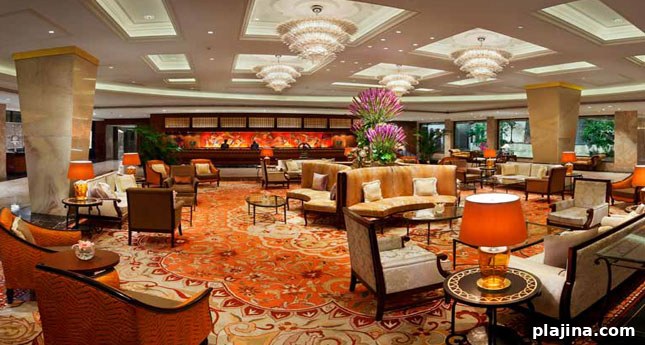
Grand Hyatt Mumbai is another favored option among business travelers. The hotel’s striking lobby and array of dining venues make it convenient for power breakfasts, business lunches, high tea and evening meetings.
When planning meetings, avoid national holidays such as Independence Day and Diwali, and consider visiting between October and March to escape the hottest months. Mumbai rewards visitors who approach it with openness, patience and an appreciation for its energetic ambiguity—qualities that make doing business and exploring the city a rich, memorable experience.