
All I could think as my water taxi sped through the azure shallows was that I had been preparing for this moment my entire life. I stepped off the boat and let my bare feet sink into the soft, white sand on Gulhifushi Island — one of the nearly 200 uninhabited islands of the Maldives — and smiled as a childhood question finally resolved itself. I glanced in my bag and whispered, “A good book, sunscreen and a bottle of water.”
As it turned out, two of my three “things I’d bring with me on a deserted island” weren’t necessary: the resort’s concierge had arranged everything. The island was tiny, dotted with a few palms and a thatched cabana for shade. Every detail had been anticipated. Nearby, a makeshift table held a plate of fresh fruit, a pitcher of ice water and a carafe of hot coffee beside a basket stocked with plush towels and snorkel gear. I had the whole island to myself for the day. Instead of panicking or sending an S.O.S., I settled into the sand with my book and allowed the peaceful quiet to wash over me.
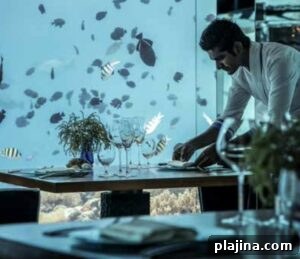
© Sea Underwater Restaurant
It’s easy to relax in the Maldives, where staying connected or disconnecting is your choice: 5G coverage reaches much of this archipelago. Set in the warm waters of the Indian Ocean, just southwest of Sri Lanka and India, the Maldives comprises more than 1,200 coral islands grouped into 26 atolls, varying widely in size and habitation. Generally, northern atolls receive less rain annually, while southern atolls are often better shielded from strong winds. Choosing where to go tends to be less about climate and more about which resort matches your preferences.
Among the more than 150 resorts — many occupying their own private islands — you’ll find everything from budget-friendly overwater villas to extraordinary subaquatic suites. Whether you opt for a modest overwater bungalow or an undersea bedroom, all international arrivals come through Velana International Airport on Hulhulé Island in the North Malé Atoll. From there, a boat, seaplane or helicopter transfers you to your resort.
Everything in the Maldives revolves around water. You can spend your days gazing at the crystal-clear sea or immersing yourself in it. Guided fishing trips led by local experts teach traditional Maldivian line-fishing techniques or take you into a reeling contest with sailfish, wahoo or giant trevally. Most top resorts offer a full range of watersports — jet skiing, parasailing, kayaking and windsurfing — all just a concierge call away. Local operators also keep inventories of gear and can coordinate activities when resort options are limited.
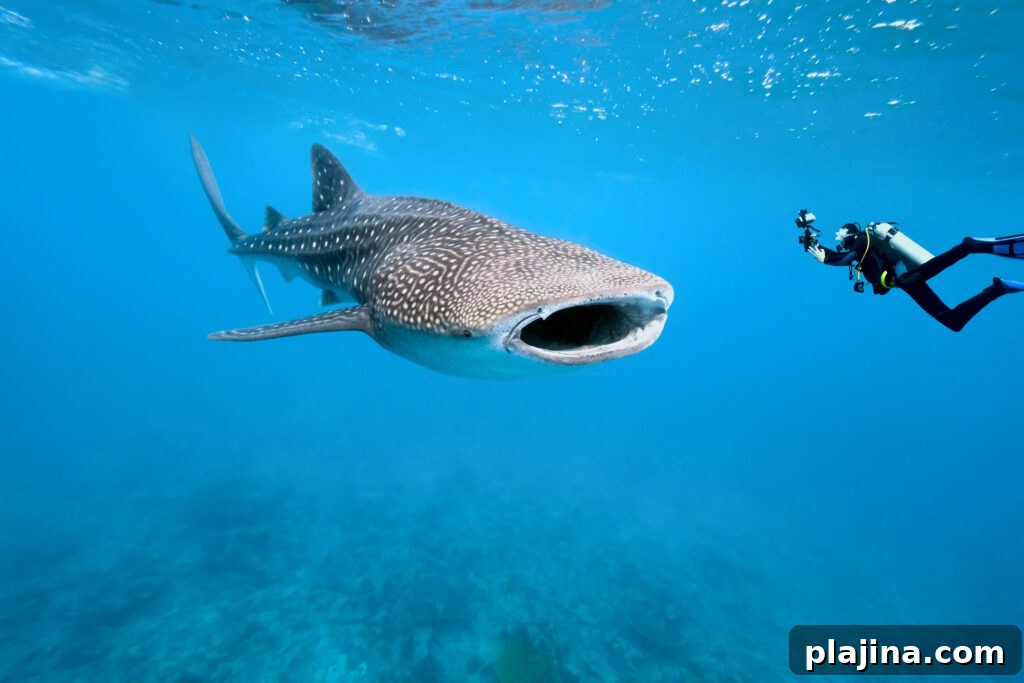
Scuba diving in the Indian Ocean is a bucket-list experience, but snorkeling here is remarkable too. Even a short snorkel can bring you face to face with sea turtles, whale sharks, nurse sharks, dolphins and more. The Maldives hosts the largest recorded reef manta ray population in the world; Hanifaru Bay in Baa Atoll, a UNESCO Biosphere Reserve, is one of the best places to observe these graceful giants.
© Krzysztof Odziomek | Dreamstime.com
Wellness is woven into island life, with beachside yoga, open-air massages and spa treatments that take advantage of the sea breeze and natural surroundings. Leading spas — such as the Six Senses Spa at Six Senses Laamu, ESPA at One&Only Reethi Rah and the spa at Naladhu Private Island — offer restorative programs tailored to the island setting. The Maldives also celebrates the coconut: the local Dhivehi language has a dozen words for it, and every stage of the fruit’s life is used. Freshly made Maldivian coconut oil is a sought-after souvenir; it’s often pressed at peak ripeness and sold pure, with no additives.
As with any trip to paradise, the day you leave can feel like an unwelcome rescue from your island haven. Fortunately, the Maldives offers endless options — another atoll, another private island — waiting to welcome you back for your next escape.
LODGING
Conrad Maldives Rangali Island
This innovative resort features luxury beach and overwater villas, including a pioneering undersea residence where unique experiences unfold both above and below the sea.
Rangali Island, Alifu Dhaalu Atoll
$$$$$
Naladhu Private Island
A recently renovated resort with 24-hour breakfast service in its Living Room. Each of the 20 residences includes a private kuwaanu (butler) to tailor every stay.
Veligandu Huraa, South Malé Atoll
$$$$$
One&Only Reethi Rah
An all-villas property that blends local traditions into guest experiences, complemented by an award-winning spa.
Reethi Rah, North Malé Atoll
$$$$$
DINING
Leaf — Farm-to-table dining that adapts to tide and season, offering menus that highlight fresh, locally influenced ingredients.
Six Senses Laamu, Laamu Atoll
$$$$$
Sea Underwater Restaurant — Dine beneath the waves with real marine life as your backdrop. The restaurant pairs thoughtfully plated cuisine with a memorable aquatic atmosphere.
Anantara Kihavah Maldives Villas, Baa Atoll
$$$$$
The Whale Bar — An architectural overwater lounge serving tapas, tasting menus and cocktails in a striking setting above the sea.
The St. Regis Maldives Vommuli Resort, Dhaalu Atoll
$$$$
INFO TO GO
Most international travelers arrive via Doha, Dubai or London to Velana International Airport on the manmade island of Hulhulé. Around 40 international and domestic flights arrive each day. Hulhulé has limited accommodations, so guests usually transfer to resorts by seaplane, charter plane, speedboat or private yacht. Resorts typically outline transfer options during booking, so arranging transfers in advance ensures a smooth arrival.