
The inner courtyard at Mandarin Oriental, Paris provides a peaceful escape in the heart of the city. Tucked away on Rue Saint-Honoré in one of Paris’s busiest neighborhoods, the garden is arranged around a black marble fountain that creates a reflective water surface, mirroring surrounding ivy and star jasmine. The setting is intimate, with green alcoves and carefully placed plantings that include star magnolias and camellias.
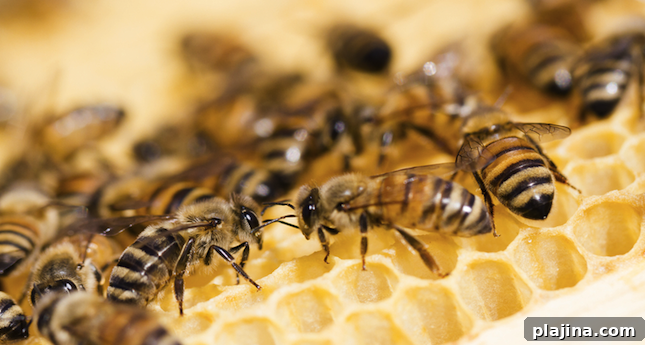
Reflecting the hotel’s commitment to sustainable practices, the inner courtyard is also used to cultivate aromatic herbs that supply the hotel’s restaurants and bars. On the rooftop, a beehive hosts roughly 50,000 bees whose nectar contributes to the hotel’s own honey production, supporting urban biodiversity and local food sourcing.
The courtyard’s design balances tranquillity and urban sophistication: the dark marble pool adds a modern, contemplative element while the plantings provide seasonal color and scent. Guests find the space suited to a quiet moment with a book, an al fresco breakfast, or a break between sightseeing and shopping along the nearby streets.
Beyond its aesthetic appeal, the courtyard plays a practical role in the hotel’s hospitality. The herbs grown on-site enhance the flavor and aroma of dishes served in the property’s restaurants, and the on-site honey is incorporated into culinary preparations and guest amenities. These elements highlight a broader effort to integrate nature into hospitality and reduce reliance on externally sourced ingredients.
Visitors to Mandarin Oriental, Paris who discover the inner courtyard will notice the thoughtful combination of architecture and planting. The garden’s scale and layout encourage relaxation without overwhelming the urban surroundings, and its plant selection—magnolias, camellias, jasmine, and ivy—offers year-round interest through flowers, foliage, and fragrance.
Whether experienced at dawn, when the fountain’s surface captures the soft morning light, or in the evening, when the space becomes a quiet retreat from the city, the inner courtyard provides a subtle yet memorable contrast to the busy streets nearby. It demonstrates how small, well-designed green spaces can enhance a guest’s stay and contribute to a hotel’s environmental and culinary initiatives.