
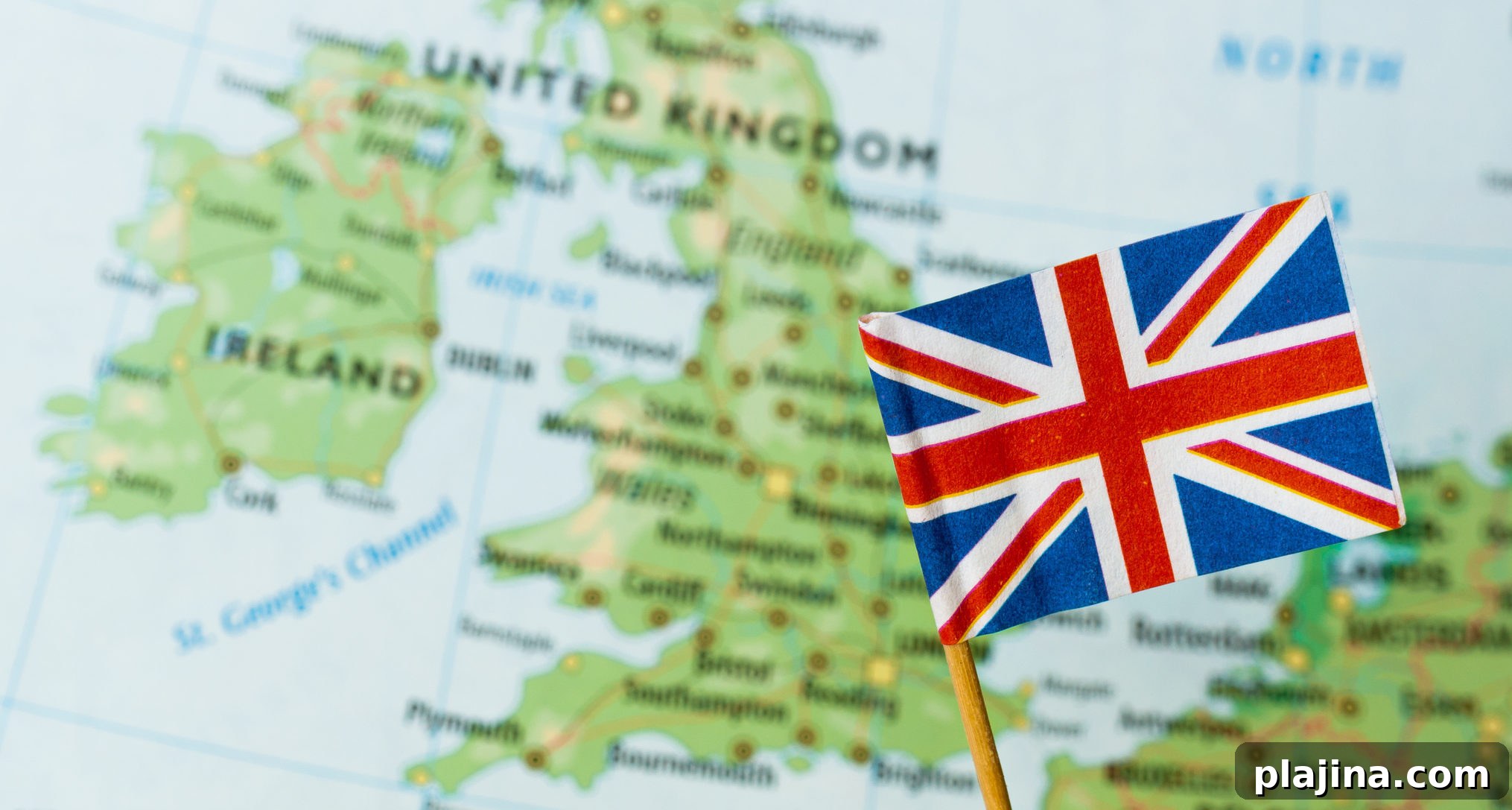
People often use the names England, Great Britain and the United Kingdom as if they mean the same place, but they are distinct entities. Understanding how Scotland, Northern Ireland and other parts fit together helps clarify both geography and identity. To make this simple, let’s begin with the smallest piece of the puzzle and build up.
England is a country that occupies the largest part of the island of Great Britain. It shares land borders with Scotland to the north and Wales to the west. England is home to the capital city, London, and to many historic cities such as Manchester, Birmingham and Liverpool. When people refer to “English” culture or institutions, they usually mean those based primarily within this country.
Scotland lies to the north of England and is itself a country with its own legal and educational systems, distinct traditions, and a strong national identity. Scots may identify as Scottish, British, or both. The Scottish Parliament handles many domestic matters, while some powers—like defense and foreign policy—remain reserved to the United Kingdom government.
Wales sits to the west of England and is another country within the same island. Like Scotland, Wales has its own language, cultural heritage and devolved government, the Senedd, which manages many internal affairs. Welsh identity is closely tied to the Welsh language and local traditions.
Great Britain is the name of the large island that contains England, Scotland and Wales. It is a geographical term referring specifically to that landmass and is often used in contrast with Ireland, the other large island to the west.
The United Kingdom is the political entity formally called the United Kingdom of Great Britain and Northern Ireland. It includes England, Scotland and Wales (on the island of Great Britain) together with Northern Ireland, which occupies the northeastern part of the island of Ireland. The UK is a sovereign state with a single national government based in London, although devolution grants Scotland, Wales and Northern Ireland varying degrees of self-government.
Northern Ireland is different from the Republic of Ireland. The Republic of Ireland is an independent country that covers most of the island of Ireland, while Northern Ireland remains part of the United Kingdom. This distinction explains why only part of Ireland is included in the UK.
People’s identities in the region can be layered. Someone from Glasgow might describe themselves as Scottish and British; someone from Cardiff may say Welsh and British; and someone from Belfast could identify as Northern Irish, British, Irish, or a combination, depending on personal, cultural or political affiliations.
Members of the British royal family come from across the UK. For example, famous figures such as Princess Diana were born in England and are often associated with English localities, though the monarchy represents the whole United Kingdom and the Crown’s symbolism extends across its nations.
In short, remember these basics: England, Scotland and Wales are countries on the island of Great Britain; Great Britain is the island that contains those three countries; and the United Kingdom is the sovereign state made up of Great Britain plus Northern Ireland. Recognizing the differences between geographical and political terms helps make sense of maps, government arrangements and cultural identities across the British Isles.