
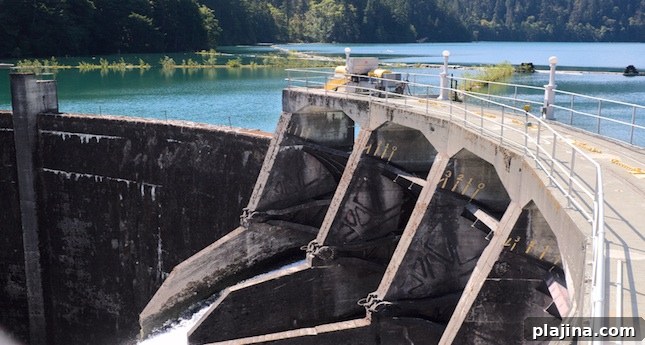
Lauded as one of the most significant environmental restoration projects in U.S. history, the removal of the Elwha River dam system in Washington state has revived essential ecosystems and set a precedent for future dam removals nationwide. The Glines Canyon Dam, one of the two structures taken down during the project, holds the distinction of being the tallest dam ever removed in the United States. Efforts to reforest and revegetate the river corridor continue, alongside ongoing work to restore the river’s historic salmon runs.
The Elwha River flows through Olympic National Park, and the park will open the Elwha River Interpretive Center on May 1. The center’s exhibits will explain the river’s watershed and ecosystems and present the planning, removal, and restoration work that transformed the landscape. Designed to welcome visitors, the facility will also provide practical amenities such as restrooms, picnic areas, and bike racks.
Located near the junction of Highways 112 and 101 on the Olympic Peninsula in Port Angeles, Washington, the interpretive center strengthens public connection to the Elwha restoration. By offering educational displays and easy access to the river corridor, the center helps visitors understand the ecological recovery underway and the long-term benefits of restoring natural river processes.
Restoration of the Elwha River has involved coordinated efforts among federal, state, tribal, and local partners. Removing the dams reunited sediment flow and riverine habitat, allowing beaches, estuaries, and spawning grounds to begin a natural recovery. Tribal nations with longstanding cultural and subsistence ties to the river have played a central role in restoration planning, monitoring, and the return of salmon to traditional fishing sites.
Revegetation programs adjacent to the river are reestablishing native plant communities, stabilizing banks, and providing shade and cover vital for fish and wildlife. Ongoing monitoring tracks changes in water quality, sediment transport, and biological communities to guide adaptive management. As habitat improves, researchers are documenting the gradual return of native fish species, birds, and other wildlife that depend on a healthy river system.
The Elwha project has become a case study for environmental restoration, demonstrating how dam removal can restore ecological function, reconnect landscapes, and support cultural renewal. The interpretive center will play a key educational role by sharing lessons learned, showcasing restoration techniques, and inspiring visitors to consider river restoration and watershed stewardship in their own regions.
Visitors to the interpretive center can expect accessible information about the Elwha’s ecology, restoration milestones, and the collaborative process behind the project. The center’s location makes it an ideal starting point for exploring the surrounding parklands and experiencing firsthand the recovering river and its recovering ecosystems.