
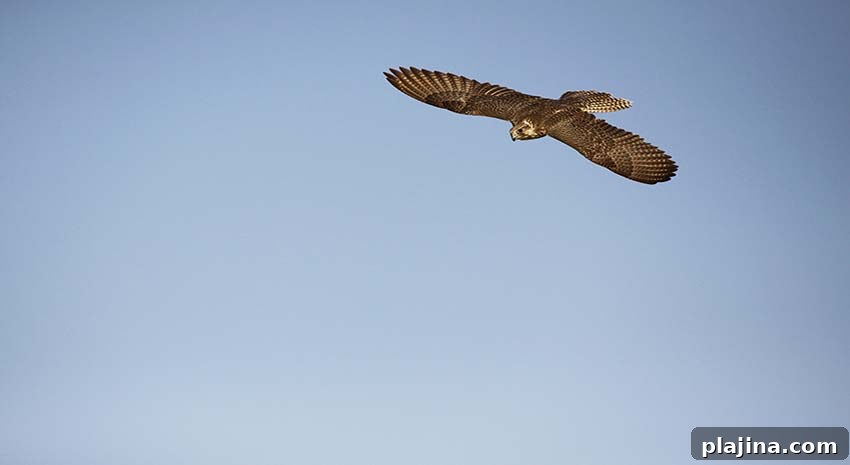
Edmonton International Airport has adopted a modern, effective approach to keeping birds away from aircraft: drones.
Known as Robirds and developed by Clear Flight Solutions, these drones replace traditional bird control methods such as pyrotechnics and other disruptive tactics. Modeled on the size and silhouette of a falcon, Robirds also mimic natural wing flapping, creating a lifelike predator presence that discourages nuisance birds from lingering near airfield areas.
Clear Flight Solutions explains that introducing a predator into an environment prompts birds to adapt their behavior. The presence of a hunting raptor—real or convincingly simulated—encourages birds to avoid the area, with population reductions of up to 50 percent or more depending on local conditions. Because the drones trigger innate predator avoidance instincts, the company emphasizes there is little risk of birds becoming habituated over time.
Airports often provide attractive habitat for birds due to open spaces, nearby water, and other resources. Bird strikes pose a significant safety risk in aviation, causing aircraft damage and, in rare cases, forcing emergency landings. A notable example occurred in 2009 when US Airways Flight 1549 made an emergency landing on the Hudson River after Canadian geese were ingested by both engines during takeoff from LaGuardia Airport.
To maintain safe operations, Robirds are operated close to airfield boundaries but are not flown over active runways. By offering a nonlethal, adaptable solution to wildlife management, these drones help airports reduce the likelihood of bird strikes while minimizing disturbance to surrounding environments.