Since oil was discovered in the United Arab Emirates in the mid-20th century, the country has grown into one of the wealthiest and most socially diverse in the Middle East. Much of this diversity stems from the large expatriate population, which makes up more than 80 percent of residents and helps shape a relatively liberal social environment.
Dubai, the largest city in the U.A.E., is a thriving cultural and financial center whose economy extends well beyond oil to include tourism, finance, real estate and trade. Like New York City, Dubai is located in an emirate with the same name and has become a global metropole. The city is cosmopolitan, home to more than 210 nationalities, and offers a vast selection of cuisines, accommodations and goods.
At the same time, Dubai is part of a Muslim country where Islamic traditions influence daily life and business practices.
“It’s important to be aware of cultural and business differences if you want to succeed,” says Jan Dickinson, president and CEO of the Dickinson Consulting Group and an expert in corporate relocation.
She notes that demonstrating respect for local beliefs and customs builds trust and signals a commitment to establishing relationships—an essential first step in doing business in Dubai. The city’s pro-business environment makes it attractive for foreign investment: there are numerous free zones where foreigners can own 100 percent of their companies and benefit from low taxes.
Business etiquette in Dubai emphasizes punctuality, yet meetings often begin with a period of socializing. Unlike the fast-paced, agenda-driven meetings common in the United States, Dubai meetings typically include time to get acquainted. Follow the host’s lead and allow the relationship-building phase to unfold naturally.
Dress conservatively for business: men should wear suits and ties, and women should choose modest attire that covers arms and legs and wear closed-toe shoes. Local hosts may appear in Western clothing or in traditional dress such as the dishdasha, while some women may wear garments that cover most of the body. Observe how hosts dress and mirror their level of formality.
Arabic is the official language, but English is widely used in business. A business card printed with Arabic on one side makes a favorable impression, and learning a few basic Arabic phrases is helpful. A common greeting is “As-salamu alaykum” (Peace be upon you), with the response “Wa alaykum as-salam” (And upon you be peace). Handshakes are customary among men; women may not always extend their hand, so wait for a woman to offer her hand before you reach out.
Be mindful of local customs: the right hand is preferred for eating, handing items and gesturing, while using the left hand is considered impolite. Avoid showing the soles of your shoes and be cautious when crossing your legs in mixed company.
Alcohol is avoided by devout Muslims and is served primarily in licensed hotels and restaurants. Public intoxication and possession of illegal drugs are serious offenses with severe consequences, so follow local laws and norms carefully.
Plan meetings around religious practices and holidays. Daily prayer times may interrupt the workday, and during Ramadan Muslims fast from dawn to sunset, making breakfast or lunch meetings inappropriate. On major religious holidays, people often spend time with family rather than attending business functions.
The most comfortable time to visit is between December and March, when temperatures typically range from the 70s to the 80s Fahrenheit. Summer months (June through September) bring extreme heat and high humidity, with temperatures that can exceed 100°F.
The standard workweek in Dubai runs Sunday through Thursday. During the hottest months, many businesses adopt split work hours with a break during peak afternoon heat.
Dubai’s skyline is one of its defining features, with more than 900 skyscrapers and scores of towers approaching 600 feet. The crown jewel is the Burj Khalifa, the world’s tallest building at 2,717 feet. The city’s rapid development continues, with numerous high-rise projects underway.
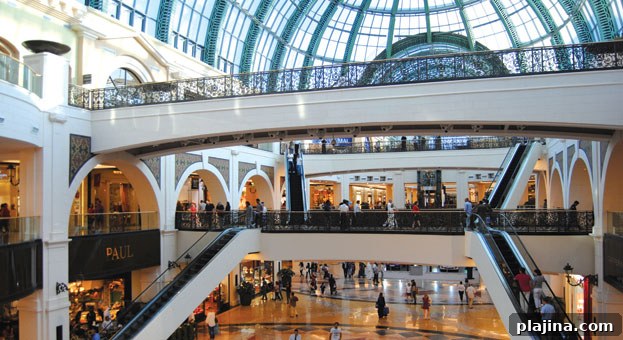
Beyond architecture, Dubai offers world-class sporting venues for cricket, golf, hockey, horse racing, rugby, swimming and tennis, as well as expansive retail centers. The Mall of the Emirates, for example, covers a vast area and includes hundreds of shops and an indoor ski slope.
To get around, visitors can use the modern Dubai Metro or air-conditioned double-decker buses for leisure travel. For appointments, taxis are practical—be aware that taxis with pink roofs are intended for families and women who prefer not to share a cab with men. Traffic congestion is common and the city changes rapidly, so obtain clear directions and allow extra time for travel.
Dubai’s dining scene is extensive and diverse. For a relaxed power breakfast, some recommend restaurants with outdoor terraces and show kitchens that showcase international cuisine. A memorable business meal can be had at high-end venues such as At.mosphere in the Burj Khalifa, which offers sweeping views and an internationally inspired menu.
Despite conservative cultural roots, Dubai has a lively nightlife with upscale bars, cocktail lounges and cigar clubs located in luxury hotels and along the marina. These venues cater to a cosmopolitan clientele while operating within local regulations.
Overall, success in Dubai requires cultural awareness, respect for local customs and flexibility in scheduling and etiquette. With those considerations in mind, the city offers abundant opportunities for business, leisure and cultural exchange.