
Photo: © © PAVEL BYRKIN | DREAMSTIME.COM
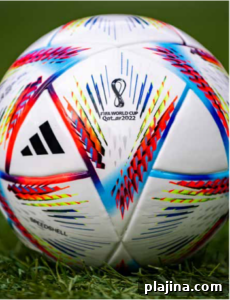
Beginning on Nov. 20, 2022, global attention will turn to a tiny Arabian Gulf state smaller than Connecticut. For Qatar, hosting the FIFA World Cup marks the culmination of a deliberate, long-term plan to raise its international profile through sport. Few events match the World Cup for global reach; soccer unites fans across continents, and staging the tournament in the Middle East for the first time was a defining moment for the country.
The rise of Qatar on the world stage took decades. A former British protectorate that gained independence in 1971, Qatar chose to remain separate rather than join the United Arab Emirates. Its early economy relied on pearls—at one time Qatar supplied a large share of the world’s pearls—and later on vast natural gas reserves. Revenues from oil and gas propelled Qatar to one of the highest per-capita incomes globally, fueling dramatic development in the capital, Doha.
High-rises first appeared in the 1980s and, since then, Doha’s skyline has steadily transformed. The Corniche waterfront developed into a modern urban center and extensive land reclamation and construction projects produced new districts such as Lusail to the north. Alongside urban growth, Qatar invested heavily in sport, hosting Asian and world championships across disciplines from athletics to handball, and becoming a regular stop for high-profile motorsport events.
After an unsuccessful Olympic bid, Qatar secured the 2022 FIFA World Cup in 2010. The selection was controversial. The country’s laws restrict alcohol and prohibit pre-marital and same-sex relations, raising concerns about fan experience and safety. Extreme summer heat presented another challenge: the tournament’s traditional June–July slot coincides with average temperatures around 106°F. To ensure player and fan safety, organizers shifted the event to November and December, a move that disrupted many domestic leagues worldwide. Qatar relaxed alcohol rules temporarily for the tournament, but legal protections for LGBTQ+ people were not established.
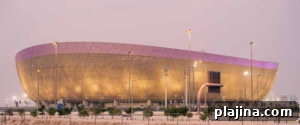
Photo: © SHAKEELMSM | DREAMSTIME.COM
To host the tournament, Qatar built eight new stadiums. Because of the country’s compact size, all venues are within a 30-mile radius of Doha, with four inside the city. Recognizing that Qatar would not need all eight large stadiums long-term, several were designed with temporary elements—Stadium 974 famously used 974 recycled shipping containers. The centerpiece is the Lusail Iconic Stadium, an 80,000-seat venue designed by Foster + Partners that staged the final on Dec. 18.
Labor practices in Qatar drew sustained criticism. Reports of thousands of migrant worker deaths since the World Cup was awarded prompted international concern and calls for improved protections. Qatari authorities have disputed the scale of deaths directly linked to stadium construction and reported lower official figures.
When the tournament begins, controversies will be overshadowed by the competition itself as 32 nations compete for football’s premier prize. For Doha, the World Cup represented a long-anticipated chance to reshape global perceptions. Across television screens and mobile devices worldwide, billions watched each match and many gained a fresh impression of Qatar’s capital and its ambitions.
DIVERSIONS
The historic heart of Doha is Souq Waqif, a once-chaotic market where trade flourished for generations. The souq has been rebuilt in a traditional style with tidy, paved alleys and restored stalls; the result is a cleaner, more organized version of the old market rather than a time capsule. It remains a lively spot for shopping, dining and cultural events.
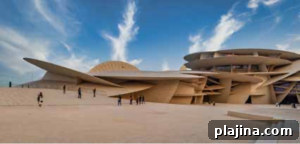
Photo: © EDWARDSTAINES | DREAMSTIME.COM
Qatar presents its history through contemporary architecture and curated museums. The National Museum of Qatar, shaped like a desert rose, tells the nation’s story with immersive displays and large-scale projections that bring scenes of old Doha to life. The Museum of Islamic Art, situated on a man-made island in Doha Bay, houses a distinguished collection spanning 1,400 years of artistic achievement from across the Muslim world; it reopened in October 2022 after refurbishment.
Doha’s maritime heritage remains visible at Dhow Harbour, where traditional wooden dhows line the waterfront. Once used for trade across the Gulf, India and Africa, these boats now offer leisure cruises around Doha Bay. Along the Corniche, a five-mile promenade curving around the bay provides attractive views and a popular place for walking or jogging in cooler months. During the World Cup, the Corniche featured a display of flagpoles representing the 32 competing nations.
LODGING
Banana Island Resort by Anantara
A 20-minute boat ride from downtown Doha brings you to a tropical-style island resort where private thatched villas offer individual pools and secluded luxury.
Banana Island, Doha
$$$$
Mondrian Doha
A visually striking hotel with sophisticated interiors and impressive public spaces, located in West Bay Lagoon.
West Bay Lagoon, Doha
$$$$
The Ritz-Carlton, Doha
Classic luxury with sweeping views of the Gulf and the city skyline, conveniently situated for both downtown Doha and nearby Lusail City.
West Bay Lagoon, Doha
$$$$
DINING
Gourmet District
An indoor food hall on The Pearl offering around 200 seats and a wide-ranging selection of international dishes, ideal for groups and varied tastes.
Pearl Boulevard, UDC Head Office Tower, The Pearl, Doha
$$$
Hakkasan
A Michelin-starred Cantonese restaurant with a distinctive terrace for outdoor dining and refined Cantonese dishes.
The St. Regis Doha, West Bay, Doha
$$$
Jiwan Restaurant
Located within the National Museum of Qatar, Jiwan reinterprets traditional Qatari cuisine with contemporary techniques. Open until 8 p.m.
National Museum of Qatar, Fourth Floor, Museum Park Street, Doha
$$$$
JUST THE FACTS
Time zone: GMT+3
Phone code: Country code: 974
Currency: Qatari riyal
Key industries: Oil and gas, fertilizer, fisheries, tourism
COMING AND GOING
Visitors from the United States need a passport valid for at least six months beyond arrival, an onward air ticket and a confirmed hotel reservation. Visas on arrival are available for many nationalities for stays up to 30 days—check requirements before travel.
OFFICIAL LANGUAGE
Arabic is the official language, though English is widely spoken across business and tourism sectors.
INFO TO GO
International flights arrive at Hamad International Airport, about 2.5 miles from downtown Doha. Many hotels offer limousine transfers; the Doha Metro provides connections across the city and to Lusail. Car rental is possible, but traffic and local driving styles can be challenging for visitors.
Winning Designs
A look at the standout stadiums built for the FIFA World Cup Qatar 2022.
AL THUMAMA STADIUM
Capacity: 40,000
Location: Al Thumama, 12 km south of central Doha
First Match: Senegal vs. Netherlands, Nov. 21
EDUCATION CITY STADIUM
Capacity: 40,000
Location: Al Rayyan, 7 km northwest of central Doha
First Match: Denmark vs. Tunisia, Nov. 22
AL BAYT STADIUM
Capacity: 60,000
Location: Al Khor City, 35 km north of Doha
Host: Opening Match Qatar vs. Ecuador, Nov. 20
AHMAD BIN ALI STADIUM
Capacity: 40,000
Location: Umm Al Afaei, 20 km west of central Doha
First Match: United States vs. Wales, Nov. 21
STADIUM 974
Capacity: 40,000
Location: Ras Abu Aboud, 10 km east of central Doha
First Match: Mexico vs. Poland, Nov. 22
KHALIFA INTERNATIONAL STADIUM
Capacity: 40,000
Location: Aspire, 5 km west of central Doha
First Match: England vs. Iran, Nov. 21
LUSAIL STADIUM
Capacity: 80,000
Location: Lusail City, 20 km north of central Doha
First Match: Argentina vs. Saudi Arabia, Nov. 22
Host: Final Match, Dec. 18
AL JANOUB STADIUM
Capacity: 40,000
Location: Al Wakrah, 22 km east of central Doha
First Match: France vs. Australia, Nov. 22