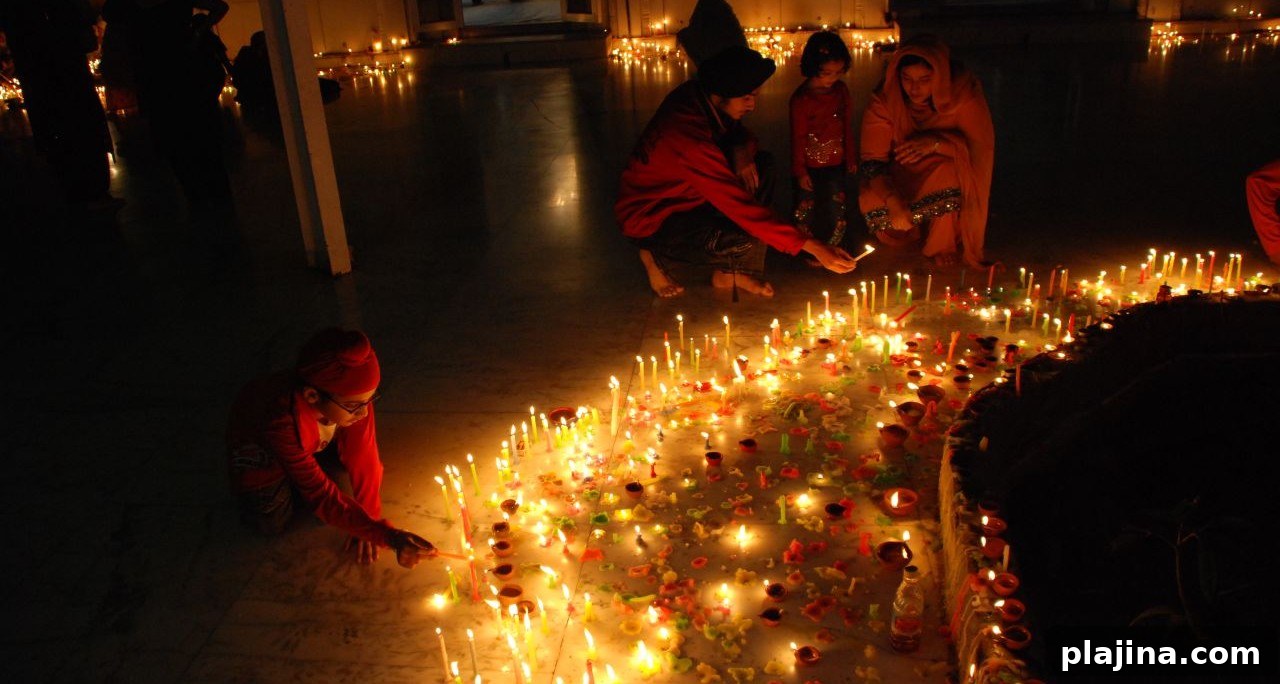
Dating back to ancient times, Diwali is one of India’s oldest, largest, and most luminous festivals. Celebrated across the country and by Indian communities worldwide, it symbolizes the triumph of knowledge and light over ignorance and darkness.
The festival spans several days, with each day holding its own significance and rituals. Homes are cleaned and decorated, oil lamps and candles are lit, and rangoli designs adorn thresholds to welcome prosperity and good fortune. Families gather to perform prayers, share festive meals, and exchange gifts and sweets, strengthening bonds and fostering a sense of community.
Diwali also marks the victory of good over evil in various Hindu legends—most notably Lord Rama’s return to Ayodhya after defeating Ravana, which is celebrated by illuminating the city with lamps. In some traditions, the festival honors the goddess Lakshmi, the deity of wealth and prosperity, with devotees conducting Lakshmi puja to invite blessings for the coming year.
Beyond its religious aspects, Diwali has cultural and social dimensions. Markets bustle with shoppers buying new clothes, jewelry, and home items; artisans sell handmade decorations and lamps; and sweets and savory treats are prepared in abundance. Fireworks and crackling sparklers are commonly used to mark the occasion, though many communities are increasingly mindful of environmental and noise concerns and opt for quieter, eco-friendly celebrations.
The symbolism of light extends to personal reflection and renewal. Many people use Diwali as an opportunity to set intentions, clear out the old, and welcome new beginnings. The festival’s themes—hope, renewal, generosity, and the celebration of knowledge—resonate beyond religious lines, making Diwali a widely observed cultural event.
Whether celebrated with elaborate rituals, intimate family gatherings, or community events, Diwali brings warmth, color, and joy. Its combination of spiritual meaning, cultural richness, and festive camaraderie makes it one of the most important and cherished holidays in India and among Indian communities worldwide.