
ARUBA | Carley Thornell
Aruba may be the smallest of the ABC Islands, but it draws far more visitors than its neighbors. The island’s accessibility, compact size and variety of hotels, activities and dining make it a favorite for families, couples and solo travelers alike.
Long known as the most adventurous of the trio—with De Palm Island water park, kiteboarding and skydiving—Aruba’s tourism board has worked to channel thrill-seeking away from high-speed ATV tours that damage fragile dune habitats. Today you’ll find myriad ways to get an adrenaline fix while leaving the landscape intact.
Open-air, customizable Jeep “safari” tours deliver rugged fun with seatbelts and responsible routes that avoid sensitive areas. Arikok National Park is a prime stop: this protected, oceanside stretch is home to the tiny shoco owl, which doesn’t nest in trees but lives in underground burrows, and is often spotted on guided walks. Beneath the surface, caves such as Quadirikiri and Fontein reveal limestone walls etched with ancient Arawak drawings, a vivid reminder of the island’s long human history.
Aruba’s multicultural past is visible throughout the island. Oranjestad’s pastel facades and curved Dutch gables blend Caribbean vibrancy with colonial architecture. Although the Dutch occupied Aruba for centuries, the island’s spoken language—Papiamento—reflects a fusion of local, Spanish, Portuguese and other influences brought by seafarers and settlers.
That cultural mix shines in the island’s cuisine. Papiamento Restaurant, set in a traditional 1886 cunucu house with a thatched roof and open-air design, offers classics like keshi yena—savory chicken with raisins, peppers and olives baked inside a shell of melted cheese—dishes that are as steeped in history as they are in flavor.
For post-dinner drinks or a unique souvenir, the Pepe Margo Distillery—the island’s first craft gin and rum producer—offers tastings and bottles to take home. If you prefer a sultry nightlife vibe, Apotek Speakeasy provides a dim, intimate contrast to the bright beachfront bars.
BONAIRE | Richard Newton
Bonaire isn’t for everyone: it lacks broad sandy beaches, late-night entertainment and public transit, and it can be windy with mosquitos. But for active families and water-sports enthusiasts, it’s an unmatched destination.
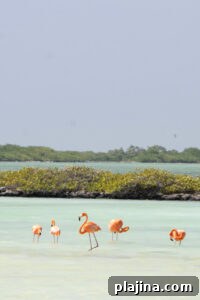
© Liz Grogan | Dreamstime.com
The island’s real draw is underwater. Bonaire’s surrounding waters are a protected marine park with 88 public dive sites in clear, warm water. Many top sites are reachable from shore, earning Bonaire the reputation as the “shore diving capital of the world.”
Beginners are well catered for: local operators offer PADI-certified courses, and snorkel lessons for children aged 5–10, with diving programs available for those 10 and older. Consistent trade winds create ideal conditions for sailing, windsurfing, eFoiling and kitesurfing, and local instructors teach all ages and skill levels.
Water sports reshaped Bonaire’s economy, once dominated by oil storage and salt production. South coast salt pans still yield pink-tinged ponds that produce salt for export and attract flocks of flamingoes—Pink Beach is one of the best vantage points to observe them.
The island’s north is arid and dotted with tall cacti, much of it protected within Washington Slagbaai National Park. Wildlife here includes iguanas, blue-tailed lizards known locally as “blue-blues,” and the yellow-shouldered parrot, or lora. Bonaire is also home to many feral donkeys, descendants of animals brought by the Spanish in the 17th century; the Donkey Sanctuary cares for about 800 injured or orphaned donkeys and offers adoption opportunities.
CURAÇAO | Kimberly Inlander
Curaçao presents two distinct faces: the colorful, bustling east with Dutch-influenced architecture and lively neighborhoods, and the wild, lush west with rugged coastlines and secluded coves. Exploring both sides reveals the island’s full appeal.
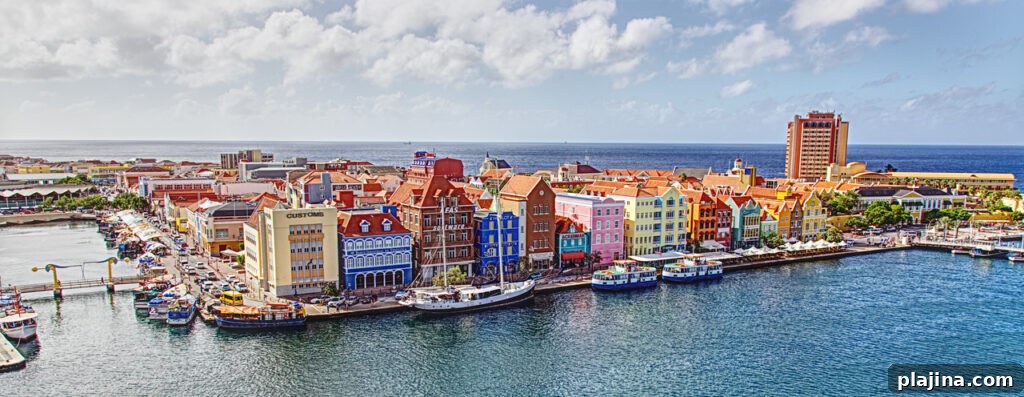
© Rrushton6 | Dreamstime.com
Willemstad’s pastel buildings reflect brilliantly in the Caribbean sea. The iconic floating Queen Emma Bridge links the Punda and Otrobanda districts across Sint Anna Bay, and guided tours—such as a Cur Tuk Tuk excursion—are great for first-time visitors who want context on murals, architecture and local history.
Westpunt (Bándabou) offers dramatic cliffs, quiet coves and highlights like Shete Boka National Park and historic plantation houses. Outdoor adventures, including jet-ski beach-hopping tours, reveal hidden beaches and opportunities for snorkeling and swimming in sheltered bays.
Food and drink are also part of the island’s charm. Pasawá Box Eatery provides a casual, street-food-style atmosphere with multiple vendors and music. For an introduction to local spirits, the Curaçao Spirits Distillery at Landhuis Chobolobo explains the production of genuine Blue Curaçao. Number Ten café, set on the grounds of Landhuis Bloemhof, serves brunch amid scenic grounds that include the Cathedral of Thorns.
Curaçao’s vibrant culture and warm hospitality make it an ideal spot for celebrations, romantic getaways and family escapes alike.
LODGING
BUCUTI & TARA BEACH RESORT
For a tranquil, eco-friendly stay away from the high-rise crowds, choose Bucuti & Tara in Aruba’s Low Rise District. This adults-only property features 101 ocean-facing rooms and a sunset dinner option at Elements with an extensive wine list.
L.G. Smith Blvd. 55B, Eagle
Beach, Aruba
$$$$$
CAPTAIN DON’S HABITAT
A dive-focused resort founded by diving legend Capt. Don Stewart, Captain Don’s Habitat on Bonaire offers comfortable rooms and dive packages for all skill levels.
Kaya Gob. N. Debrot 103,
Kralendijk, Bonaire
$$$
LIONSDIVE BEACH RESORT CURAÇAO
Located on the beach, LionsDive features Dutch Caribbean-style buildings, multiple dining options, a pool and beachfront bars. One memorable spot is Chill, a beach bar at the water’s edge that’s perfect at sunset.
Bapor Kibrà, Willemstad,
Curaçao
$$$$
DINING
HOLY SMOKE BONAIRE
A roadside favorite for hearty barbecue—pulled pork sandwiches, smoked ribs and turkey legs—Holy Smoke satisfies when you crave smoky, meaty comfort food.
Kaya IR., Randolph Statius
van Eps 17, Kralendijk,
Bonaire
$$
MOSA/CAÑA BAR & KITCHEN
A local favorite for Latin-Caribbean fusion, Mosa/Caña Bar & Kitchen serves shareable small plates from ceviche to tacos and sous-vide rum ribs in a welcoming, home-like setting.
41 Penstraat, Willemstad,
Curaçao
$$$$
PAPIAMENTO RESTAURANT
Part museum, part restaurant, Papiamento celebrates Aruba’s culinary heritage with Caribbean seafood, Dutch cheeses and regional specialties. Request an outdoor table beneath the illuminated trees and try the rendang-style beef stew with star anise, ginger and peanut sauce.
Washington 61, Noord,
Aruba
$$$–$$$$
INFO TO GO
All three islands lie outside the main hurricane belt and have minimal seasonal rainfall, with temperatures averaging around 82°F year-round—making them pleasant to visit any time. Aruba receives frequent direct flights, with more than 100 weekly connections from North America to Queen Beatrix International Airport in Oranjestad. As of mid-2024, Aruba requires a $20 visitor sustainability fee for air arrivals, payable in advance via the Online ED Card system.
Bonaire’s international flights arrive at Flamingo International Airport near Kralendijk. U.S. citizens need a valid passport; no visa is required for many travelers, but a Visitor Entry Tax applies ($75 per adult, $10 for children under 12), payable online or on arrival.
Curaçao’s international flights arrive at Curaçao International Airport. All incoming passengers must complete a Digital Immigration Card within seven days before travel.