
On the outskirts of South Africa’s largest city lies what appears at first glance to be a middle-class neighborhood, with low hills of abandoned mining slag heaps visible in the distance — a gritty reminder of the area’s past. I walk along a tidy grid of streets that lack trees but are lined with brick-faced cinderblock houses capped with tin roofs. Doors stand open and children play in every direction.
Welcome to Soweto (short for South-Western Townships), South Africa’s best-known township. Not long ago, under apartheid, Soweto was widely feared and off-limits to many outsiders. Today, busloads of visitors arrive to explore both its historic sites and its modern developments.
Begin in a quarter called Orlando West — once nicknamed “the Wild West” during apartheid — and follow Vilakazi Street, famed for having been home to two Nobel Peace Prize laureates: Nelson Mandela and Desmond Tutu. Nowhere else in the world can you walk a single street that once housed two such prominent figures.
Step inside Mandela’s earlier home, now a museum, to view the modest three-room dwelling and personal items that belonged to the man often called “Papa Africa,” from photographs to his bedroom furnishings and his well-worn boots. The space offers a tangible sense of the simplicity from which a global leader emerged.
For a deeper understanding of the history that shaped modern South Africa, visit the Apartheid Museum just east of the township. The museum presents a powerful, sometimes difficult narrative: photographs of those executed, graphic footage, and displays of instruments used during the era of repression. Balanced with these intense exhibits are quiet areas for reflection and galleries showcasing post-apartheid artwork created by survivors who have become artists.
At the Hector Pieterson Memorial and Museum, the famous photograph of a teenager being carried while clinging to life — and the eventual image of his lifeless body — remains a harrowing emblem of the struggle. That photograph captured global attention and made Pieterson’s name synonymous with the brutality of apartheid.
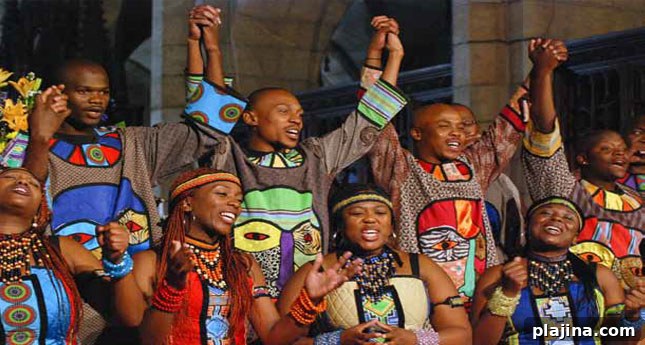
Music is a defining thread in South African life, and vocal ensembles from the townships have achieved international recognition. The a cappella Soweto Gospel Choir is one such success story; while catching a performance by the touring group may be rare, local singers and choirs frequently entertain around the neighborhood.
For a relaxed but upscale dining option that has welcomed both business leaders and dignitaries, Nambitha Restaurant serves comforting, home-style dishes inspired by the owner’s mother, Mama Jacobeth Vilakazi. The menu includes fresh fish, a variety of meat curries, and traditional favorites like mogodu (tripe preparations or traditional stews) and pap (maize porridge), offering an authentic taste of local cuisine.
Accommodation ranges from cozy guesthouses to larger hotels. Vhavenda Hills Bed and Breakfast provides a welcoming stay just steps from Vilakazi Street in the heart of Soweto, while Soweto Hotel, located on Freedom Square, is noted as the district’s first four-star property, offering more conventional hotel amenities in a central location.
For shopping, dining and entertainment, Maponya Mall — developed by a South African businessman — is said to be the largest mall in Soweto. The multicomplex center offers retail outlets, food courts, cinemas and fitness facilities, making it a popular destination for locals and visitors alike. The mall also hosts a Virgin Active health club, reflecting the range of services available in the area.
Today’s Soweto is a place of contrasts: visible traces of a troubled past stand beside signs of renewal and everyday life. From historic sites and museums to music, food and modern amenities, the township offers an engaging and often moving experience that speaks to South Africa’s complex history and resilient spirit.