
It is one of the most thrilling—and, for some, most terrifying—wildlife encounters you can have. A pack of African wild dogs streaks through the trees around us, closing in with the focused intensity of a coordinated hunt. In that moment we feel very much like the prey.
Our visit takes place at the Ann van Dyk Cheetah Centre in De Wildt, near Pretoria, South Africa. Founded in 1971 by Ann van Dyk, the centre has become a vital conservation hub for threatened South African species. Over the decades it has bred and released hundreds of cheetahs, supported wild dog and vulture conservation, and developed education programmes that connect communities with wildlife.
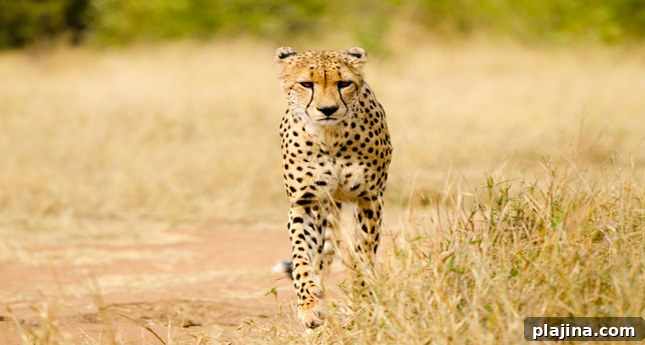
Early in our tour we meet Yates, one of the centre’s cheetah ambassadors. He lies calmly on a table while visitors gently stroke him. Ambassador animals like Yates play an important role in outreach, visiting local schools and helping to reshape how people—especially children—perceive predators and conservation.
Later we board an open vehicle and enter a large, fenced enclosure with a trained tracker. The tracker carries the pack’s afternoon food as we follow a winding track through the reserve. The dogs pick up the scent and begin to close in, appearing suddenly between trees, then vanishing again, communicating with high, excited yelps. The scene is raw and immediate: a living demonstration of hunting strategy, teamwork, and speed.
At the far gate the tracker spreads the food into troughs. The dogs gather and accept their meal, and the tension that rode with us through the enclosure eases. As our heart rates return to normal, we reflect on how rare it is to witness a hunt so close and to observe the skill and social bonds that sustain the pack.
The Ann van Dyk Cheetah Centre combines hands-on animal care with breeding programmes, rehabilitation and education to support long-term species survival. Visits are designed to be both safe and informative, offering visitors a chance to see conservation work in practice while learning about the threats these animals face in the wild.
Experiencing a hunt in this controlled setting offers a deeper appreciation of the wild dogs’ intelligence, cooperation and vulnerability. It also reinforces why sanctuaries and dedicated conservationists are essential: without them many species would struggle to survive in a changing landscape.