
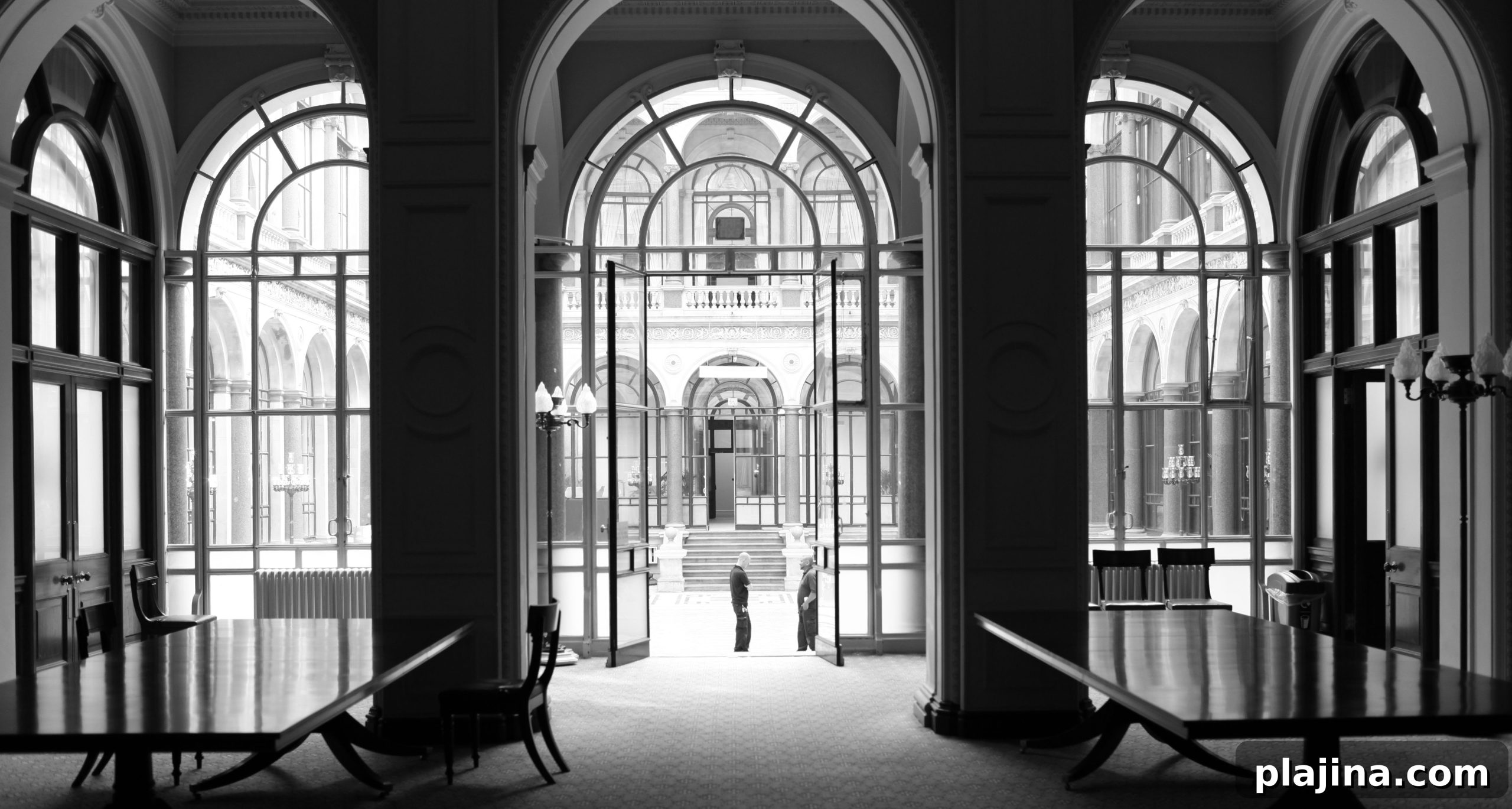
If you’ve ever wondered what happens behind the closed doors of London’s historic buildings, Open House gives you the opportunity to find out. This annual event opens up a wide variety of architectural treasures — from grand public buildings and churches to privately owned houses and modern structures — allowing visitors to explore the city’s diverse architectural history.
Open House encourages curiosity and discovery. Many venues that are normally closed to the public welcome visitors, offering guided tours, curated displays, or self-guided access. Whether you’re interested in medieval churches, Victorian townhouses, post-war public architecture, or contemporary design, the programme highlights the layers of London’s development and the stories behind its built environment.
The event attracts architects, historians, students, and curious members of the public. For professionals and enthusiasts, Open House provides a rare chance to see behind-the-scenes elements like structural details, restoration work, and architectural innovations. For families and casual visitors, it offers an engaging way to learn about the city’s culture and history through its buildings.
Participation is broad and inclusive. Small local projects sit alongside nationally significant sites, and community spaces often showcase the role of architecture in everyday life. Many venues provide talks, exhibitions, and activities that connect architectural features to social history, urban planning, and conservation efforts.
Open House also serves as a platform for raising awareness about preservation and adaptive reuse. Seeing historic buildings in person can deepen appreciation for heritage and inspire conversations about how to maintain and adapt structures for contemporary needs. It’s an opportunity to witness how architects and builders balance authenticity with sustainability and modern functionality.
Visitors should plan ahead to make the most of the programme. Popular sites can attract long queues or limited timed entry, so checking schedules and booking where necessary helps ensure access. Maps and guides — available through the event’s published materials — make it easier to create a route that fits your interests and time.
Overall, Open House transforms London into a living museum of architecture. By opening doors that are usually shut, it invites people to see familiar streets from a new perspective, appreciate craftsmanship and design, and connect more deeply with the city’s evolving story.