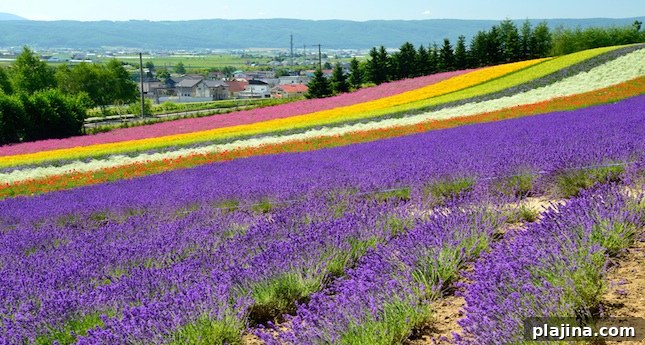
The tracks of Japan’s famed Bullet Train run from Tokyo through the Tohoku region and reach the gateway of the country’s northernmost island, Hokkaido, in just over four hours. Along the way the train travels through the Seikan Tunnel, one of the world’s longest undersea tunnels at 33.4 miles, and crosses the Tsugaru Strait between Shin-Aomori and Hakodate on Hokkaido’s southern tip. Hokkaido is celebrated for its exceptional winter sports, offering world-class skiing and deep, powdery snow that attracts visitors from around the globe.
Japan is a compact country rich with distinct destinations, ranging from serene hot springs to meticulously maintained gardens and historic shrines. The Ise-Shima region is home to the nation’s most sacred Shinto complex, the Ise Shrines, and the surrounding Ise-Shima National Park offers coastal scenery, walking trails, and cultural sites that highlight Japan’s spiritual and natural heritage.
Art lovers will find Naoshima, a small island in the Seto Inland Sea, a compelling destination. Naoshima is known for its striking contemporary art installations and architecture integrated into the island landscape. The Chichu Art Museum, designed to harmonize with natural light and the surrounding environment, presents works by prominent artists and offers a contemplative museum experience. For a peaceful stay on Naoshima, Setouchi Retreat Aonagi provides minimalist luxury, ocean views, and seven carefully designed suites conceived by architect Tadao Ando, making it a quiet base for exploring the island’s cultural sites.
Traveling around Japan also means encountering a wide variety of regional specialties and seasonal highlights. In Hokkaido, beyond skiing, visitors can savor fresh seafood and local dairy products, explore national parks that showcase volcanic landscapes and wildflower meadows, and relax in natural onsen (hot springs) that soothe tired muscles after a day of outdoor activity. The combination of winter recreation and restorative hot springs makes Hokkaido a year-round draw for travelers seeking both adventure and relaxation.
The Tohoku region, which the Bullet Train crosses, is characterized by scenic coastlines, rugged mountains, and historic towns that have preserved traditional crafts and festivals. In spring, cherry blossoms and other seasonal blooms draw crowds to parks and temple grounds, while autumn paints the countryside in rich hues of red and gold. Traveling by rail in Japan is efficient and comfortable, offering convenient access to urban centers and more remote areas alike, with punctual service and extensive connections across the country.
Naoshima’s art scene extends beyond the Chichu Art Museum to include outdoor sculptures, converted houses hosting contemporary exhibits, and smaller galleries that support experimental work. The island’s thoughtful integration of art and daily life creates an immersive cultural environment where walking between sites becomes part of the experience. Visitors often pair a museum visit with leisurely meals at local cafés, short hikes along coastal paths, or quiet moments on the beach watching the changing light over the Seto Inland Sea.
For a well-rounded trip, consider combining metropolitan Tokyo’s vibrant neighborhoods and culinary diversity with quieter, nature-focused destinations such as Hokkaido and the Ise-Shima area. Whether your interests lie in skiing powder snow, soaking in a hot spring after a long day of sightseeing, exploring spiritual sites, or wandering through contemporary art spaces on Naoshima, Japan offers a variety of experiences within relatively short travel distances thanks to its extensive rail network.