
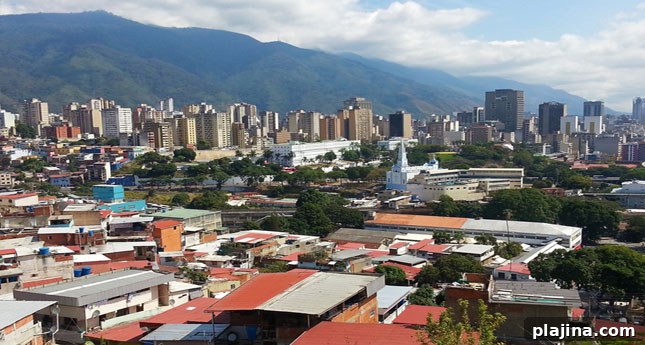
Plaza Bolívar is a common name across South America, honoring Simón Bolívar, the liberator often compared to George Washington. The Caracas Plaza Bolívar holds special significance because Bolívar is believed to have been born in this city. Due to current safety concerns in parts of Caracas, the historic plaza is less accessible than it once was. Fortunately, visitors can experience the spirit of that tradition nearby in the picturesque town of El Hatillo.
Located about 10 miles southeast of central Caracas, El Hatillo occupies rolling hills and retains a distinctly colonial charm. Narrow, winding streets are lined with brightly painted houses, and the town’s Plaza Bolívar provides a welcoming focal point surrounded by cafés, artisan shops, and a whitewashed parish church with a history that evokes the area’s Spanish colonial roots. The plaza becomes especially lively on weekends, when locals and visitors gather to browse antiques, enjoy outdoor dining, and explore crafts and local cuisine.
El Hatillo has grown into a popular arts-and-crafts suburb of greater Caracas while keeping its small-town character. Stalls, galleries, and boutique shops showcase a wide variety of Venezuelan craftsmanship. One large, well-known destination is Hannsi, a sprawling craft emporium that features handiwork from across the country: carved wooden figures, traditional masks, woven hammocks, painted ceramics, and inventive baskets. These items make authentic souvenirs and gifts and reflect the diverse artistic traditions of Venezuela’s regions.
When planning a visit, allow time to wander the town’s streets and soak up the relaxed atmosphere. Cafés around the plaza provide pleasant spots for people-watching and sampling regional dishes, from casual snacks to more substantial meals prepared with local ingredients. Seasonal markets and weekend fairs often bring an added vibrancy, with artisans displaying textiles, jewelry, and pottery alongside local food vendors.
El Hatillo’s proximity to Caracas makes it an appealing day-trip destination for travelers who want to experience a more tranquil, picturesque side of the capital region. The town’s preserved architecture, friendly public spaces, and concentration of craftsmen offer an accessible way to connect with Venezuelan culture, especially for those who prefer to avoid the risks sometimes associated with central urban areas.
Visitors should plan their transportation in advance, check local advisories, and consider guided options if unfamiliar with the region. With thoughtful planning, a visit to El Hatillo provides a rewarding cultural experience: a charming Plaza Bolívar, lively markets, excellent artisan stores, and the chance to take home handcrafted reminders of Venezuelan creativity.