
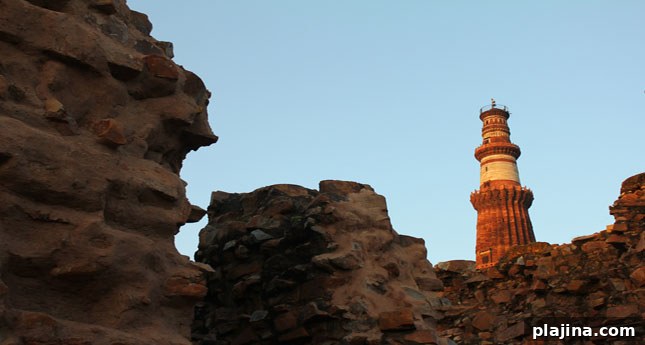
If you can spare a couple of hours in a busy schedule for sightseeing, make time to visit one of Delhi’s most remarkable monuments and absorb a slice of medieval history. Qutub Minar, rising to 237.8 feet, is the tallest minaret in India and an impressive example of early Indo-Islamic architecture. Construction on this sandstone and marble tower began in 1192. Historians generally agree it was erected to commemorate a significant victory, reflecting a common practice of building victory towers during that era. Given its size and scale, the monument speaks to the ambition and resources behind its construction.
Designated a UNESCO World Heritage Site, the Qutub complex includes a range of archaeological remains that extend beyond the minaret itself. The site features funerary buildings and historic gateways, most notably the Alai-Darwaza, built in 1311, which stands out for its graceful arches and intricate stonework. Within the complex are also two mosques, each contributing to the layered history of the area.
One of the most historically significant structures in the complex is the Quwwatu’l-Islam Mosque, the oldest mosque in northern India. Its construction is notable because builders reused elements from around 20 Hindu and Jain temples, incorporating carved pillars and sculptural fragments into the mosque’s fabric. Although the mosque is largely in ruins, the surviving decorative features—predominantly geometric patterns and floral motifs carved into stone—remain striking and reveal the craftsmanship of the period.
Visitors will find the complex thoughtfully maintained. A dedicated team of gardeners tends to the lawns, pathways, and flowering beds, creating well-kept grounds that contrast with the bustle of the surrounding city. The green spaces offer a calm, shaded retreat where you can pause, reflect, and take photographs away from Delhi’s often frenzied pace.
Practical tips for planning a visit: allocate at least two hours to explore the Minar and its neighboring monuments at a relaxed pace. Much of the site is outdoors, so check the weather and bring water, sun protection, and comfortable walking shoes. Early morning or late afternoon visits are especially pleasant—cooler temperatures and softer light also make for better photos. Guided tours are available and can add valuable historical context, explaining architectural details, inscriptions, and the site’s place in Delhi’s long history.
Qutub Minar’s architectural features reward close attention. The tower’s fluted shafts, decorative banding, and calligraphic inscriptions reflect the craftsmanship and aesthetic preferences of the period. Around the base and throughout the complex, you can see a fusion of artistic traditions: the mosque’s reused temple elements sit alongside distinctly Islamic motifs, producing a layered visual narrative that speaks to the region’s complex cultural and religious history.
Whether you are interested in history, architecture, photography, or simply seeking a peaceful green space in the heart of a busy city, the Qutub complex offers an accessible and enriching outing. It is an ideal stop for travelers with limited time who want to experience a major Delhi landmark without committing an entire day. After exploring, you can easily continue on to nearby museums, markets, or dining options to make the most of your time in the city.
Preservation efforts are ongoing to protect and present the site to future generations. Respectful behavior—staying on designated paths, avoiding damage to carvings and structures, and following any site rules—helps ensure the complex remains intact for others to enjoy. The combination of monumental architecture, historic layers, and well-kept gardens makes a visit to Qutub Minar a memorable and informative experience.