
BOGOTÁ
The capital of Colombia, Bogotá is home to roughly eight million residents across 20 distinct districts. Situated more than 8,500 feet above sea level in the country’s central highlands, the city combines a rich colonial legacy with vibrant contemporary life. Bogotá offers an abundance of museums that showcase pre-Hispanic and Colombian art, culture and history, and it protects over 150 national monuments. Visitors can stroll historic neighborhoods, savor the city’s diverse culinary scene, and take in sweeping views from the summit of Cerro de Monserrate.
GETTING THERE
El Dorado International Airport (BOG) lies about eight miles from downtown Bogotá. Taxis are available from official stands inside the terminal; you will receive a computer-printed slip specifying your route and fare before departure. Typical fares to the central area start at about $10, and the drive usually takes around 35 minutes depending on traffic. Because public buses can be crowded and luggage can complicate transfers, tourists with bags generally prefer taxis or prearranged airport transfers.
GETTING AROUND
TransMilenio, Bogotá’s rapid bus system, is an efficient and economical option for navigating the city. It operates weekdays and Saturdays from 5 a.m. to 11 p.m., and Sundays from 6 a.m. to 10 p.m.; single trips are inexpensive regardless of distance. Bogotá also features an extensive network of bike paths, and Sundays are ideal for cycling—many central streets are closed to motor traffic, creating safe, car-free corridors for riders and pedestrians.
TOP ATTRACTIONS
Banco de la República Gold Museum
The Gold Museum displays a remarkable collection of pre-Hispanic treasures and offers an in-depth look at Colombia’s anthropological heritage. Its exhibits include thousands of gold objects as well as bone, stone, ceramic and textile artifacts from multiple pre-Hispanic cultures. The museum is free on Sundays; other days there is a modest admission fee.
La Candelaria
La Candelaria is Bogotá’s historic heart and oldest district, dating to the city’s founding in 1538. The neighborhood’s narrow, cobblestone streets are lined with colonial buildings, churches and small museums—many with low or no admission fees. Cafés and artisanal shops add to the area’s charm, and visitors should try a traditional canelazo, a warm Andean drink made with sugarcane liquor, panela and cinnamon.
Cerro de Monserrate
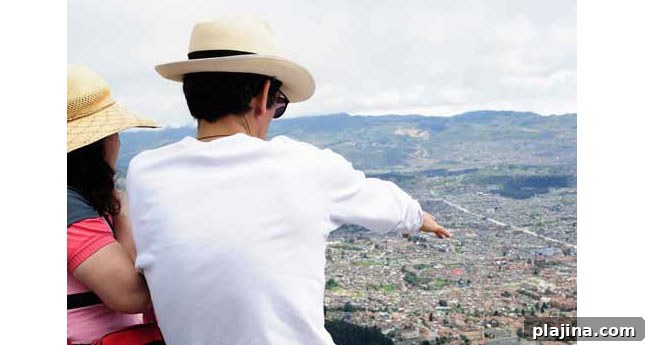
Monserrate is a prominent mountain that towers above the city and offers one of the best panoramas of Bogotá. Visitors can reach the summit by cable car (teleférico) or funicular railway. At the top, there is an historic church and several cafes and restaurants where you can enjoy views of the valley and city below.
EVENTS AND FESTIVALS
Festival Centro
Held in January, Festival Centro brings national and international musicians and artists to Bogotá for five days of concerts, film screenings and literary events. Activities take place across downtown venues and in the historic quarter of La Candelaria.
Ibero-American Theater Festival
Taking place every two years in March or April, the Ibero-American Theater Festival is one of the world’s major performing arts gatherings. For roughly 17 days the city hosts classical and contemporary theater productions, dance, concerts and street parades, with hundreds of performances and thousands of attendees.
Summer Festival
Each August, Bogotá celebrates its birthday with massive public festivities in Simón Bolívar Metropolitan Park. The program typically includes concerts, urban salsa shows, kite displays, parades, comedy and sporting exhibitions, drawing large crowds of residents and visitors.
RESOURCES
For official tourism information, consult the national tourism resources and local visitor guides.