The verdant hills, rice terraces and serene temples have long drawn visitors to Bali, where incense scents the air and raindrops on city sidewalks feel almost sacred. In recent years many travelers have decided to stay, settling in the expat-focused center of Ubud. Once Bali’s spiritual heart, central Ubud has shifted: trendy cafés with chill lofi music, craft beer and nightclubs have replaced many locally owned shops over the past five years.
Across Ubud, there are neighborhoods for wellness seekers and tucked-away coffee shops for digital nomads. But it’s in the lush landscapes of Payangan, a district just north of central Ubud, that the delicate scent of morning dew and a tranquil atmosphere return to the foreground.
© Kristy Alpert
“Payangan is characterized by its lush tropical surroundings and its location just 15 minutes from Ubud’s cultural hub,” says Wiwin Hakim, an Indonesian native and director of marketing communications for the soon-to-open Anantara Ubud Bali Resort. “The natural scenery makes it a perfect place for nature walks, cycling and photography.”
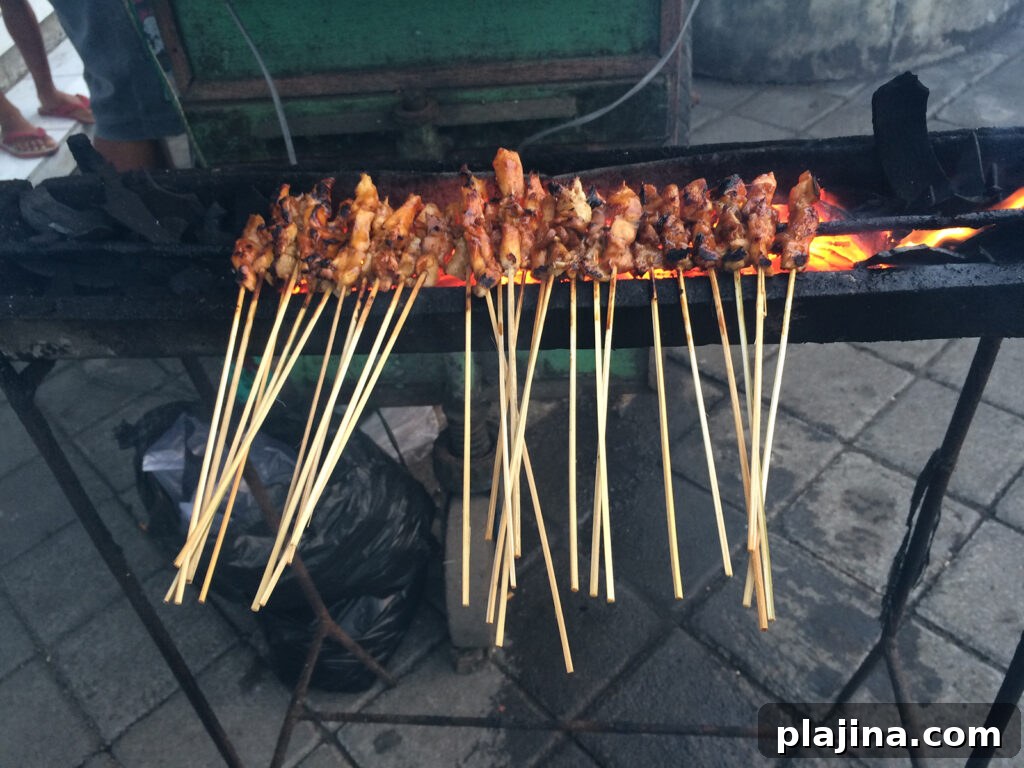
The area hosts several luxury resorts, including The Mansion Resort Hotel & Spa and COMO Shambhala Estate, yet beyond those properties it remains a village where locals live alongside visitors. Getting around is easy: rent a bicycle or a moped to explore the Kelusa rice fields, or simply walk. The main road invites leisurely strolls past Balinese-style homes and temples, while the scent of roasting meat from a traditional warung lingers in the air.
Each morning the Payangan Market comes alive. Instead of tourist trinkets and branded shirts, stalls offer handmade crafts and homemade sweets. Farmers arrive with woven baskets of fresh produce, and food carts serve generous portions of Balinese favorites. As evening falls the market becomes an informal outdoor food hall, with vendors staying open to satisfy cravings for authentic bakso (meatball soup) and babi guling (roast suckling pig).
Payangan is not the place to look for flat whites or kombucha on tap. It is, however, a destination for travelers who prefer an authentic taste of Bali: quiet mornings among rice terraces, neighborly markets, and the everyday rhythms of village life that feel both timeless and welcoming.