
Maison Louis Carré (Louis Carré House), completed in 1959, is the only building in France designed by renowned Finnish architect Alvar Aalto. Commissioned by the influential French art dealer Louis Carré and his wife Olga, the elegant home stands in the rural commune of Bazoches-sur-Guyonne, about 27 miles west of Paris.
The house showcases Aalto’s skill at blending national traditions, material sensibilities and human-centered design. A public preservation project for the property began in 2022, and in 2026 Maison Louis Carré opened its doors for art exhibitions, allowing visitors to explore the gardens and interiors.
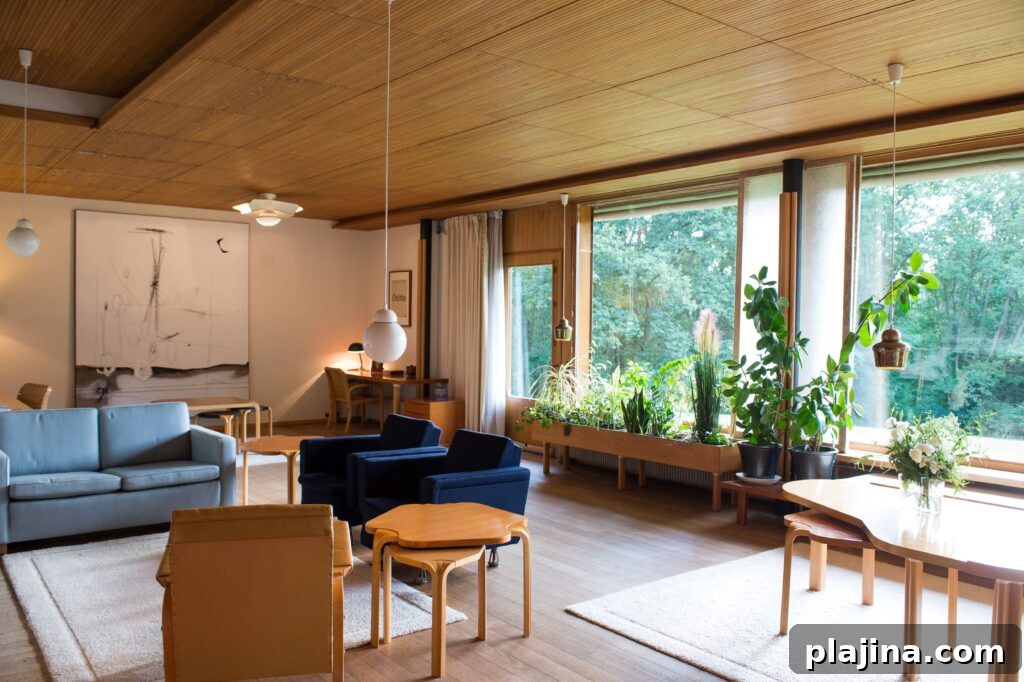
© kaminoto
Preservation specialists note that Maison Louis Carré is more than a restored residence: it is an architectural monument illustrating the exchange between Finnish modernism and French private patronage. The project demonstrates how material authenticity and careful planning can revive a mid-century masterpiece while preserving its original character.
Work continues on interior and garage restorations, with full completion expected this winter. When Louis Carré decided to commission his house, he initially considered Le Corbusier, but ultimately chose Aalto after encountering his work at the Venice Biennale and visiting Aalto’s projects in Finland.
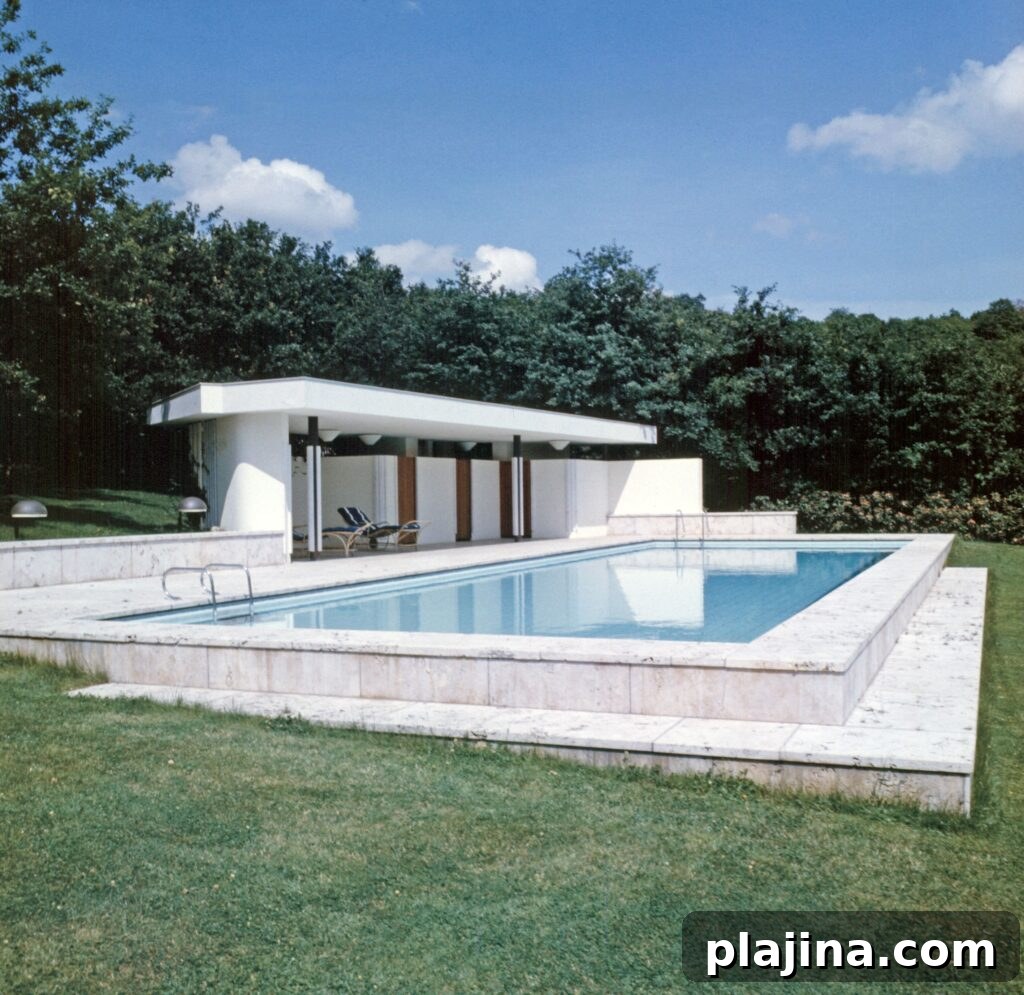
© Coll
Aalto integrated a strong relationship between interior and exterior spaces into the house’s plan, influenced in part by Japanese architectural ideas he studied. The building follows the slope of the landscape, and windows of varied shapes and sizes were placed to create a shifting play of light throughout the day, a feature common in Aalto’s domestic work.
During construction, local French carpenters crafted bespoke wooden elements that complemented the clean interior lines, with oversight at times from Elissa Aalto, Alvar’s wife and a respected architect in her own right.
Louis Carré and the Aaltos selected materials that would age gracefully and root the house in its French setting while reflecting Nordic sensibilities. Choices were made collaboratively to ensure harmony between form, function and context.
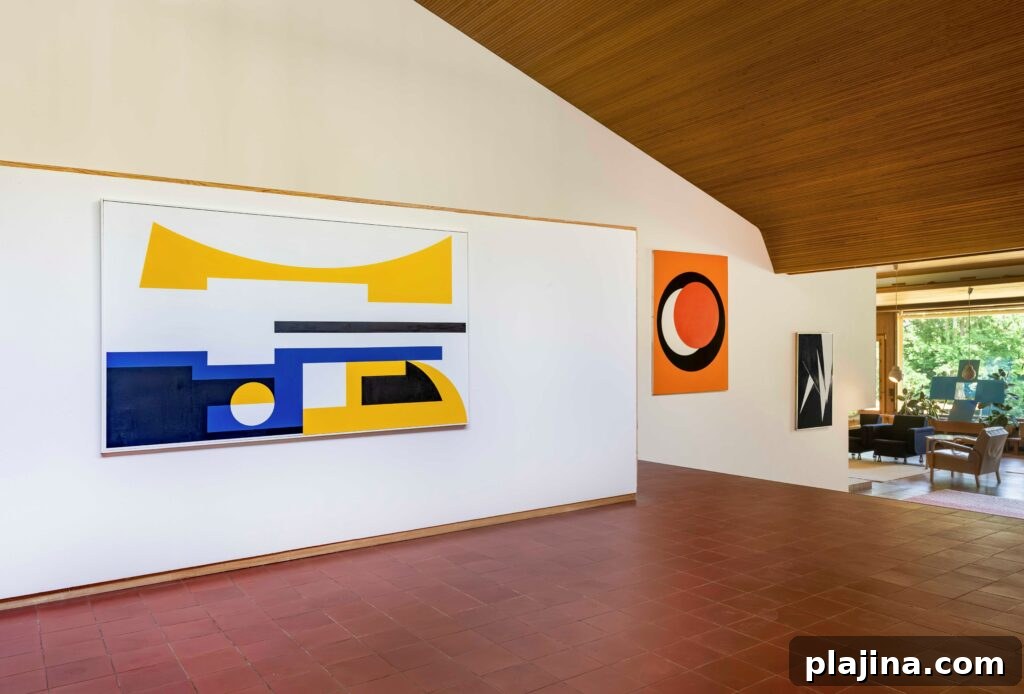
© Lucie Jean
Key materials include Chartres limestone for solid masonry, lime-washed bricks for texture and soft color, Normandy blue slate on prominent roof surfaces, teak and ash for interior joinery, and copper accents that will develop a natural patina over time.
The house adapts to its sloping site with a two-level plan: communal and private rooms occupy the ground floor, staff rooms are above, and a basement houses practical spaces such as a wine cellar and boiler room.
Louis Carré has begun programming public art installations at the house. The current exhibition, Quiet Hours, runs through Nov. 30. For this presentation, Maison Louis Carré invited three young Finnish artists—visual artist Karoliina Hellberg, ceramicist Tero Kuitunen and sculptor Raimo Saarinen—to create a collaborative installation within the house.

© Karoliina Hellberg
“Spending time at Maison Louis Carré in the spring allowed us to settle into a rhythm of waiting and observation,” the artists said. “The furniture by Alvar and Elissa Aalto created a sense of domestic familiarity, but beneath that comfort lived layers of strangeness and history, a whisper of the past that we could not fully grasp yet felt drawn toward. The swimming pool in particular echoed with the glamour of a bygone era.”