Delta Air Lines has announced updated requirements for passengers traveling with service and support animals. The carrier says the new measures are designed to address safety concerns and inconsistencies caused by untrained animals on board, while preserving the rights of customers who rely on legitimate service animals.
Delta reports that it transports roughly 700 service animals each day and has observed an 84 percent increase in reported animal-related incidents since 2016. Those incidents have ranged from onboard accidents to aggressive behavior and attacks, prompting the airline to tighten documentation and health checks to protect passengers, crew and well-behaved animals.
Under the Air Carrier Access Act, Delta continues to offer in-cabin travel for service animals at no additional charge. Beginning March 1, passengers traveling with a service animal must provide proof of the animal’s health or vaccinations at least 48 hours prior to travel. This requirement supplements the existing rule that passengers present a letter prepared and signed by a doctor or other licensed medical professional.
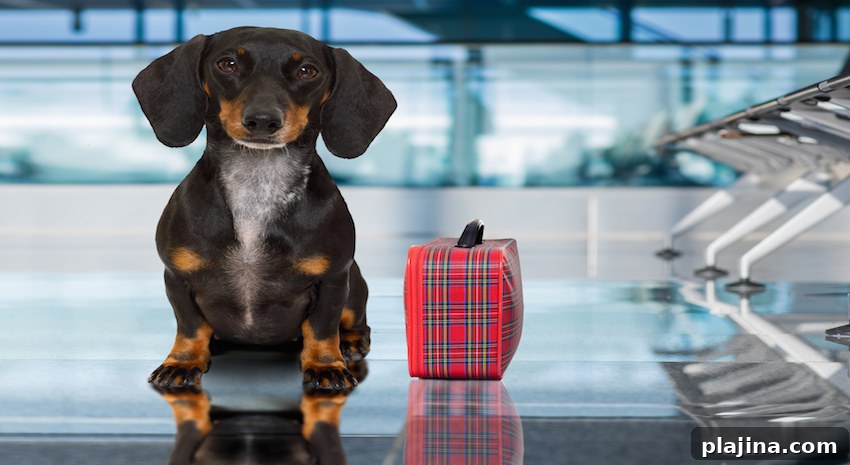
Delta also clarified that passengers traveling with psychiatric service animals or emotional support animals must submit an additional signed statement attesting that the animal is trained or sufficiently well-behaved for travel. The goal is to prevent untrained pets from boarding without appropriate containment, such as a kennel, and to reduce incidents that jeopardize safety and comfort for other travelers and crew.
The airline says these changes aim to create a clearer, more consistent process for verifying legitimate service and support animals, lowering the risk of in-flight problems while ensuring that passengers who genuinely need assistance can continue to travel with their animals. Customers are encouraged to review Delta’s updated guidelines and prepare the required documentation in advance to avoid delays or denied boarding.